







Mood swings or emotional lability are not a separate illness but a symptom of certain processes occurring in the human body. Such a state is not always caused by pathological reasons, but sudden changes from depression to turbulent emotions often create problems for the individual, their close ones, family, and the environment.
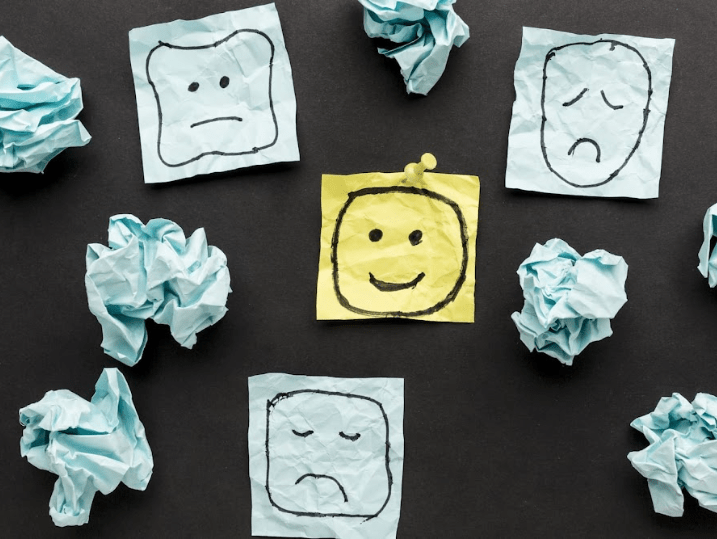
Consultation with a specialist at LuxMedic Clinic can help identify the reasons for mood swings, and qualified medical intervention can rectify the situation, whether it is due to the adolescent period, psychological, or psychiatric disorder.
Causes
A person's emotions are regulated by a complex interaction of hormones and neurotransmitters. The limbic system, a subcortical structure in the brain, is considered the center for processing emotional states. Psychoemotional lability is often associated with disruptions in this intricate structure.
Causes of mood swings may include:
-
In children - ADHD (Attention Deficit Hyperactivity Disorder).
-
Hormonal changes during periods such as puberty and menopause.
-
Pregnancy, abortion, miscarriage.
-
Polycystic Ovary Syndrome (PCOS).
-
Head injuries, concussions.
-
Vasovagal syncope (somatoform dysfunction).
-
Acute stress states.
-
Neurological disorders (Multiple Sclerosis, Parkinson's Disease, Huntington's Disease).
-
Severe chronic illnesses (diabetes, hypertension, oncology).
-
Use of psychoactive substances (drugs, antidepressants).
Mood swings can also be associated with certain mental disorders such as bipolar affective disorder, cyclothymia, clinical depression, and other pathological conditions.
Symptoms
Patients themselves may describe mood swings as "rollercoasters," fluctuating from complete indifference to overwhelming energy. However, self-criticism in such individuals is often diminished, so the changes in behavior are more noticeable to others, such as family members and colleagues at work.

Characteristic symptoms of mood swings in a person include:
-
Rapid, minute-to-minute changes from physical lethargy to an energy surge.
-
Crying and irritability that can quickly turn into joy and euphoria.
-
Excessive talkativeness, often on abstract topics.
-
Difficulty with concentration and focus.
-
Tendency towards conflicts, aggression, and arguments.
-
Impulsive actions, including of a sexual nature.
-
A tendency towards irrational spending and making unnecessary purchases.
-
Shifting interests from one hobby to indifference towards any activity.
-
Sleep disturbances, daytime sleepiness, and nighttime insomnia.
-
Appetite disturbances, either indifference to food or eating everything in the refrigerator.
In children and adolescents, academic performance may decline, and behavior may worsen as a result of mood swings. A dangerous symptom that accompanies mood instability is a tendency towards isolation, expressing suicidal thoughts, or engaging in self-harm (self-injury).
Sharp mood swings are an indication for immediate assistance. LuxMedic Clinic's experts offer remote online consultations, and based on the results, they can create a plan for qualified assistance for such patients.
Diagnosis
The first step in diagnosing mood swings involves a medical interview with the individual or their close relatives who can describe symptoms that the patient may not notice. To determine the cause of mood swings, both laboratory and instrumental diagnostics are performed, including:
-
Monitoring hormone levels of the reproductive glands, pituitary gland, and thyroid gland.
-
Evaluating the levels of mineral components in the blood.
-
Assessing the levels of neurotransmitters such as serotonin, dopamine, melatonin, and others.
-
Monitoring blood glucose levels.
-
Ultrasound (US) of the thyroid gland and, in women, the ovaries, and in men, the testes and their appendages.
-
CT (Computed Tomography) and MRI (Magnetic Resonance Imaging) of the head and internal organs.
-
Evoked potentials.
-
Functional tests for cognitive abilities.
-
Assessing kidney and liver function for individuals taking psychoactive medications.
These diagnostic procedures are essential to determine the underlying causes of mood swings and design an appropriate treatment plan.

Based on the results of the diagnostic process, specialists can determine the underlying causes of mood swings in a specific patient. These causes may include behavioral disorders, reactions to stress, or underlying medical conditions that require the attention of a neurologist or psychiatrist. An accurate diagnosis is crucial for developing an appropriate and effective treatment plan tailored to the individual's needs.
Treatment
Treatment for individuals experiencing frequent mood swings is highly individualized and tailored to the specific disorders identified during the diagnostic process. Depending on the cause of psychoemotional lability, the treatment plan may include:
-
Lifestyle adjustments.
-
Anxiolytics (medications to reduce anxiety).
-
Tranquilizers and antidepressants.
-
Hypnotics (medications to aid sleep).
-
Nootropic agents (cognitive enhancers).
-
Medications affecting neurotransmitter metabolism.
-
Neuroleptics (antipsychotic medications), antiepileptic drugs.
-
Antiparkinsonian therapy.
-
Hormone replacement therapy (for cases related to hormonal imbalances).
-
Treatment for hyperthyroidism.
-
Physiotherapeutic methods.
-
Biofeedback sessions.
-
Psychological training and self-control techniques.
In some cases, such as bipolar affective disorder, medication may need to be taken for extended periods. Dosages may need periodic adjustments, and the choice of medications may change over time. The treatment approach is highly dependent on the individual's condition and its specific underlying cause.
Prevention
In most cases, persistent mood swings can be alleviated or prevented through lifestyle adjustments.
For the prevention of psychoemotional lability, episodes of sadness, and melancholy, it is recommended to:
-
Establish and adhere to a consistent sleep and activity schedule.
-
Ensure uninterrupted sleep for 7-9 hours per day.
-
Consume more fresh foods and avoid preservatives.
-
Eliminate artificially colored drinks (especially for children).
-
Refrain from energy drinks.
-
Avoid physical and intellectual overexertion.
-
Engage in physical exercise and fitness.
-
Learn relaxation techniques, stress control, and anger management.
-
Maintain an active social life and engage in social activities with friends.
Under certain conditions, these measures can help prevent the development of bipolar disorder, which is likely to have a genetic component. To seek timely medical help, you can keep a special journal where you record each episode of mood swings and the factors that trigger them. If mood swings persist regularly for two weeks or more, it is advisable to consult a doctor. The specialists at LuxMedic Clinic can help identify their causes, form, and phase, and select the optimal way to improve a person's quality of life.
Sources
-
Chapman J, Jamil RT, Fleisher C. Borderline Personality Disorder. [Updated 2022 Oct 25]. In: StatPearls [Internet]. Treasure Island (FL): StatPearls Publishing; 2023 Jan-. Available from: https://www.ncbi.nlm.nih.gov/books/NBK430883/
-
Marrocco L, Debabeche C, Scantamburlo G. Comment j’explore… l’instabilité affective [How I explore … affective instability]. Rev Med Liege. 2023 Feb;78(2):114-119. French. PMID: 36799329.
-
Akbarzadeh F et al. Implementation of Educational-Interactive-Psychiatric Management Software for Patients with Bipolar Disorder. Med J Islam Repub Iran. 2022 Oct 31;36:126. doi: 10.47176/mjiri.36.126. PMID: 36447554; PMCID: PMC9700403.
-
Sampath VP et al. Chemical Element Profiling in the Sera and Brain of Bipolar Disorders Patients and Healthy Controls. Int J Mol Sci. 2022 Nov 18;23(22):14362. doi: 10.3390/ijms232214362. PMID: 36430840; PMCID: PMC9692593.
-
Hamidovic A, Dang N, Khalil D, Sun J. Association between Neuroticism and Premenstrual Affective/Psychological Symptomatology. Psychiatry Int (Basel). 2022 Mar;3(1):52-64. doi: 10.3390/psychiatryint3010005. Epub 2022 Jan 26. PMID: 36381676; PMCID: PMC9644703.
F. A. Q.
-
Similar states can occur even without pathological reasons (such as hormonal changes, exhaustion, or poor sleep).
-
As for mood disorders, psychomotional lability is associated with bipolar affective disorder, mania, cyclothymia, and clinical depression.
-
In children, Attention Deficit Hyperactivity Disorder (ADHD) can also lead to mood changes.
-
Keep a journal or diary to record the factors that led to your mood swings and try to avoid these triggers.
-
Maintain an active social life.
-
Engage in physical activity without overexerting yourself.
-
Consume a healthy diet, avoiding preservatives and artificial additives.
-
Learn and practice techniques such as autogenic training, meditation, and self-control.
-
If prescribed by a doctor, regularly take any prescribed medications.
-
Impulsive actions, making unexplained expensive purchases.
-
Shifting between periods of aggression or sadness and periods of euphoria and joy.
-
Alternating between insomnia at night and excessive daytime sleepiness.
-
Desire for solitude at times and a strong urge to be the center of attention at other times.
-
Alternating between silence and excessive talkativeness.
-
Difficulty concentrating on tasks, work, or memory problems.
-
Changes in appetite, ranging from loss of appetite to complete indifference towards food.
-
Significant fluctuations in body weight.
-
Strong urges to consume alcohol, psychoactive medications, or drugs.
-
People with this disorder may not always be aware of the changes in their mental state, so if you have doubts about your mental stability or notice these symptoms in yourself, it's a good reason to seek a consultation at a clinic or with a mental health professional for a thorough evaluation and diagnosis.
-
During mood swings and when there are suspicions of mood disorders, it is best to seek professional help. After a consultation with a doctor, a diagnostic plan will be established, which may include various laboratory tests depending on the suspected cause and symptoms.
-
Possible tests and analyses may include: Hormone Levels, Neurotransmitter Analysis, Blood Glucose Measurement, Mineral Blood Tests, Genetic Analyses: In some cases, especially if there is a family history of mood disorders, Genetic analyses.
