




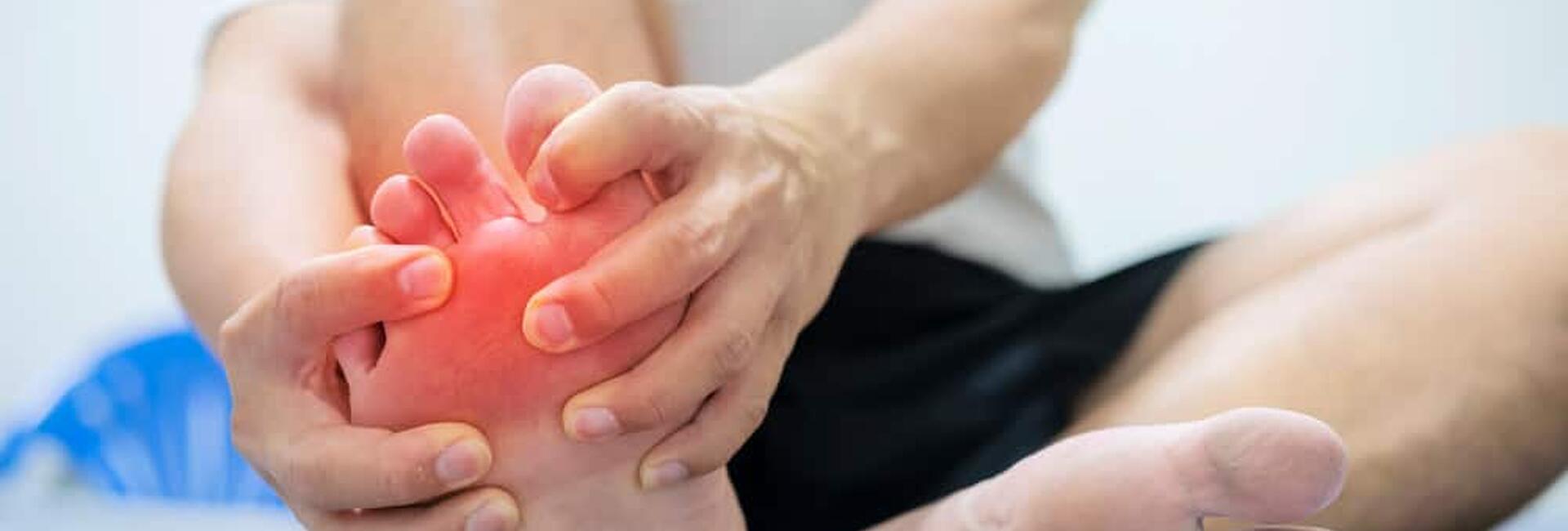


Gout is a chronic metabolic disorder that causes an increase in the amount of uric acid in the blood. This crystalline substance is not excreted but is deposited in the joints, soft tissues, and internal organs.
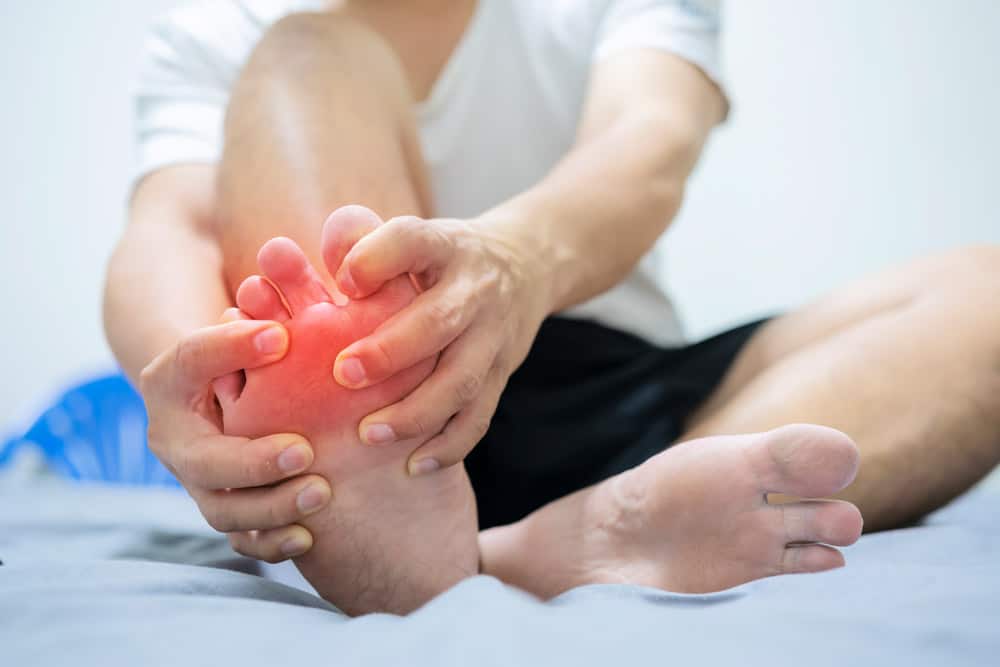
Most people perceive gout as a pathology of the joints only, but this is wrong: the disease has a bad effect on the whole body. The simple fact is that patients come to the doctor with characteristic joint lesions. And pathological processes in the internal organs, up to a certain point, proceed imperceptibly and do not attract attention for a while. However, it is in the initial stages that the progression of the disease can and should be stopped.
Causes
The main prerequisite for the development of gout is an increase in the level of uric acid in the blood, hyperuricemia. In a healthy person, this substance is continuously synthesized in small amounts and excreted in the urine. But sometimes this metabolic mechanism fails. Then a person develops either primary or secondary gout.
In the first case, it is an independent disease; in the second case, it is associated with dysfunction of internal organs.
Factors in the development of primary gout:
-
The metabolic mechanism is usually genetic. In humans, the enzymes responsible for the metabolism of nitrogen compounds work poorly, which is why uric acid is not converted into soluble salts and hyperuricemia develops.
-
Renal genesis. Urinary excretion of urate is impaired, even with normal enzyme function.
-
Mixed mechanism - a combination of metabolic and renal disorders in one patient.
Secondary gout develops as a result of other diseases and disorders:
-
Kidney disease (polycystic kidney disease, pyelonephritis, glomerulonephritis)
-
Heavy metal poisoning;
-
Unbalanced diet, obesity
-
Arterial hypertension;
-
Use of diuretics;
-
Alcohol abuse, especially harmful beer (the reason why men get sick almost seven times more often than women);
-
Lack of drinking water.
It is imperative to search for the cause of gout: the treatment should be designed to eliminate the provoking factor of hyperuricemia.
Symptoms
A typical manifestation of the disease is gouty arthritis. It is caused by the precipitation of uric acid crystals in joint cartilage and soft tissues. Where there is poor blood circulation.
In addition, noticeable painful symptoms sometimes develop 20-30 years after the uric acid level increases.
Characteristic symptoms of gout
-
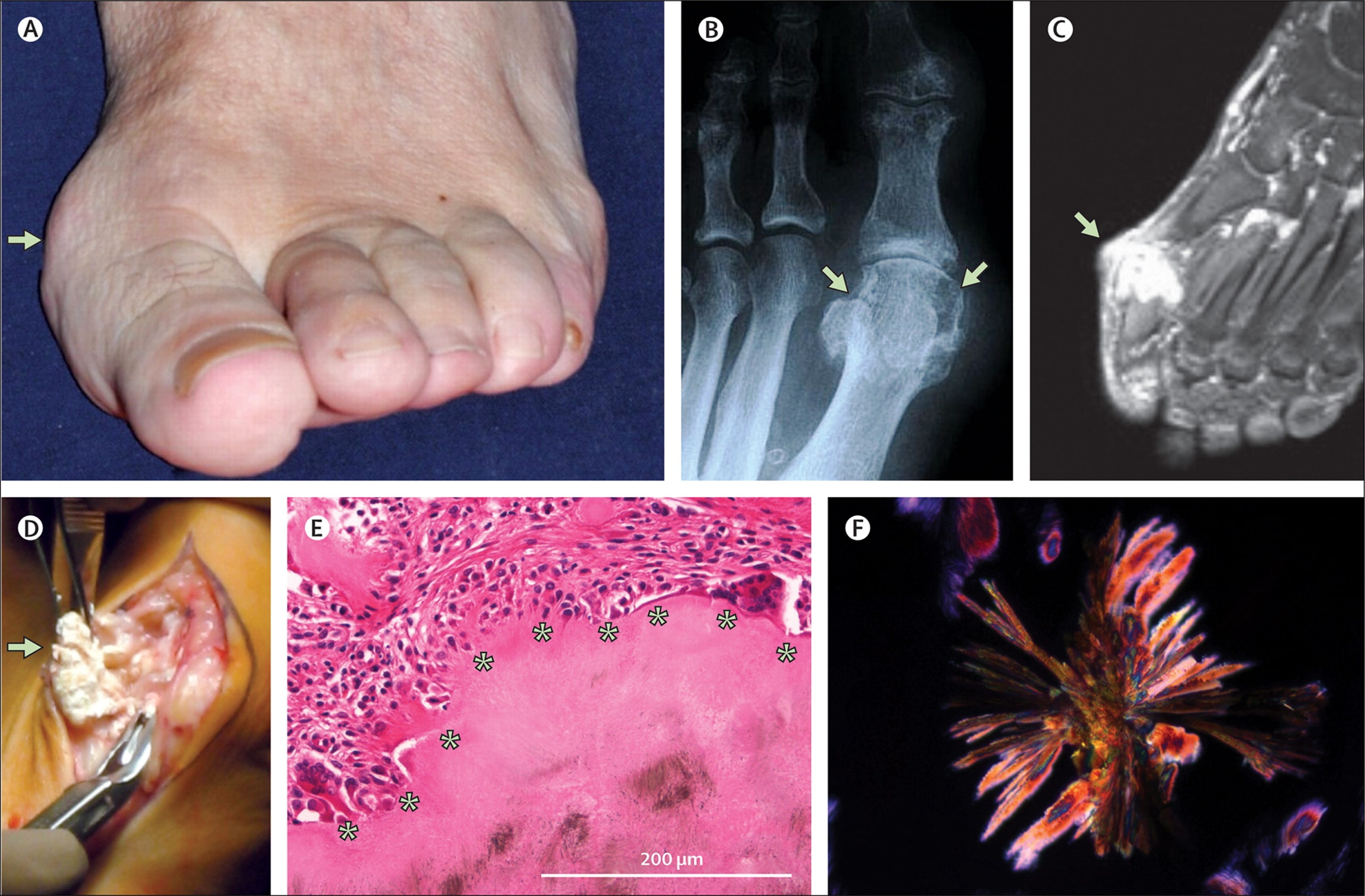
Sharp pain in the affected joint (often the big toe);
-
Swelling and redness of the inflamed joint;
-
Attacks often occur at night or in the morning;
-
Painkillers have little effect.
An acute attack can last from a few hours to a week. The pain is very severe, any touch to the inflamed area causes pain. Sometimes several joints are affected at once (ankle, knee, hand, elbow, interphalangeal joints); this pattern is more common in women.
In some people, the symptoms of gouty arthritis do not return after the initial attack, but this is rare. Attacks usually recur and increase in frequency and intensity over time.
Chronic course
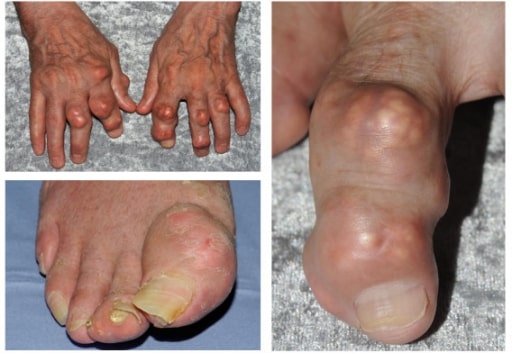
Initially the deposits are microscopic, then the salts accumulate and form sacs (tophi) that are visible to the eye. Over time, typical inflammation, joint deformities, and bone and soft tissue destruction develop in the areas of uric acid accumulation.
Uric acid crystals are deposited in the skin, cartilage of the ear and nose, and joints. Urate stones are also formed in the kidneys, and the heart suffers (valve defects, myocardial sclerosis).
The only way to protect yourself from the disease is to detect hyperuricemia in time. LuxMedic Clinic specialists will help you with this: we diagnose and treat gout in Kyiv, Lviv, Chernivtsi, Uzhhorod and Khmelnytsky. In any branch of the clinic you can be examined for asymptomatic or symptomatic hyperuricemia. Everyone can count on professional recommendations for the treatment of the disease.
Gout Diagnosis
There are three stages in the course of gout: asymptomatic, acute (intermittent), and chronic. Different tests are used depending on the stage of the disease.
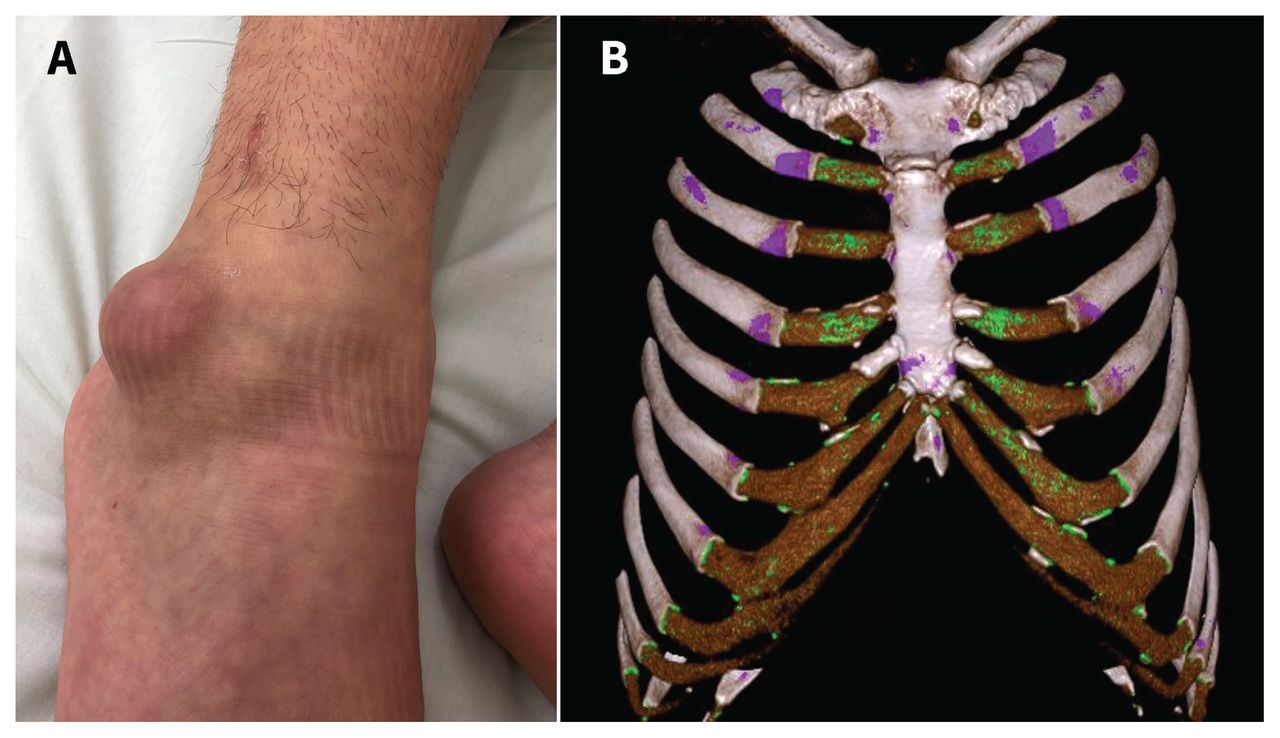
The following are used to diagnose gout:
-
Clinical and biochemical blood tests;
-
Urine tests for uric acid excretion;
-
X-ray of joints, CT scan;
-
Microscopy of joint fluid;
-
Determination of the function of blood enzyme systems;
-
Cardiogram, ECHO-KG;
-
Ultrasound of kidneys and internal organs;
-
Sometimes it is necessary to use MRI.
On the basis of the results, the doctor of the clinic determines the course and degree of development of the disease, and finds the factors that provoke gout. This allows us to develop an effective treatment plan for each patient individually.
Treatment
The focus is on reducing the concentration of uric acid in the blood. At the same time, steps are taken to relieve pain and reabsorb salt deposits.
A therapeutic approach is usually used to treat gout:
-
anti-inflammatory
-
cytostatic drugs
-
corticosteroid drugs (including those inside the affected joint);
-
specific antigout (uricosuppressive or uricosuric) drugs;
-
Correction of urine acidity (alkalinization).
Treatment should be long-term, several months.
Dietary correction plays an important role: it is necessary to ensure adequate daily fluid intake, limit the intake of proteins, nitrogen and fats.
After the acute effects subside, physiotherapeutic procedures can be used: ultraviolet irradiation, phonophoresis.
Prevention
Preventive measures should be taken in two directions. Avoid risk factors for the disease and treat other diseases that can cause hyperuricemia.
To prevent gout, it is recommended to
-
Monitor kidney function;
-
Drink alkaline, low-mineralized water;
-
Avoid bad habits (alcohol);
-
If there are patients among the blood relatives, periodically carry out tests of the level of uric acid in the blood.
Thanks to health monitoring, the disease can be detected at the stage of asymptomatic hyperuricemia. Start therapy in time and protect a person from painful and dangerous complications of gout.
Rehabilitation and Diet
If the problem is caught early, patients have a good prognosis. Doctors can normalize or reduce uric acid levels to a safe level. Then, most likely, a person will need to take specific medications in maintenance doses for a long time, for years.
As far as diet is concerned, in a disease like gout, diet sometimes plays a crucial role. Therapy begins with it and it must be followed in order to prevent the progression of the pathology.
The diet for gout is quite strict.
It is recommended to exclude:
-
Meat of young animals, pork, meat broths and fillings;
-
Spicy and salty dishes, spices;
-
Fatty fish, canned food, caviar;
-
Beer, cognac and cereal drinks;
-
Sweetened carbonated drinks and water;
-
Sweets with creams;
-
Fruits and juices rich in fructose (citrus fruits, apples), raspberries, grapes.
They do not cause any harm:
-
Soups with lean meat broths, fish, poultry;
-
One egg a day;
-
Dairy products, preferably low-fat;
-
Vegetables and mushrooms;
-
Honey, natural jams, soufflés, marshmallows;
-
Wheat and rye bread;
-
Fruit juices, kvass, alkaline mineral water.

You can drink up to 250 ml of wine a day, but not more often than every other day. It is recommended to limit fish, tomatoes, nuts and lard.
A specialist from the LuxMedic Clinic gives more detailed dietary recommendations to each patient. This will help you forget about gout and maintain your health.
Sources
-
Shekelle PG, FitzGerald J, Newberry SJ, et al. Management of Gout [Internet]. Rockville (MD): Agency for Healthcare Research and Quality (US); 2016 Mar. (Comparative Effectiveness Reviews, No. 176.) Introduction. Available from: https://www.ncbi.nlm.nih.gov/books/NBK356136/
-
Abhishek A, Roddy E, Doherty M. Gout - a guide for the general and acute physicians. Clin Med (Lond). 2017 Feb;17(1):54-59. doi: 10.7861/clinmedicine.17-1-54. PMID: 28148582; PMCID: PMC6297580.
-
Engel B, Just J, Bleckwenn M, Weckbecker K. Treatment Options for Gout. Dtsch Arztebl Int. 2017 Mar 31;114(13):215-222. doi: 10.3238/arztebl.2017.0215. PMID: 28434436; PMCID: PMC5624445.
-
Fenando A, Rednam M, Gujarathi R, et al. Gout. [Updated 2022 Dec 27]. In: StatPearls [Internet]. Treasure Island (FL): StatPearls Publishing; 2023 Jan-. Available from: https://www.ncbi.nlm.nih.gov/books/NBK546606
F. A. Q.
-
The main factor in the development of the disease is an increase in the level of uric acid in the blood, which may have no symptoms for 20-30 years;
-
Sudden, severe pain in one joint (most often the first toe) or in several joints at the same time, for no apparent reason;
-
The affected joint becomes swollen and red;
-
The pain worsens when touched in any way;
-
The attack subsides within a few days, but can always return;
-
The chronic process is manifested by the appearance of specific sacs (tophi) filled with uric acid crystals in the cartilage and near the joints.
-
Genetic deficiency of enzymes involved in nitrogen metabolism;
-
Kidney dysfunction when the excretion of toxins is impaired;
-
An unhealthy diet containing large amounts of nitrogenous bases, carbohydrates, and fats.
-
Try to bear the symptoms at home;
-
Self-medicating, warming sore spots;
-
Open toe toes;
-
Take medications for gout without consulting a doctor (there are several groups of medications indicated for different types of hyperuricemia).
-
Asymptomatic hyperuricemia can last 20-30 years;
-
The period of acute manifestations (intermittent stage) lasts from 2 to 30 years;
-
The chronic stage begins with the appearance of tophi and lasts for decades;
-
Medical treatment allows to stop or slow down the progression of the disease, to normalize the pathology and to restore the patient's health.
