







Menopause (also known as the climacteric period) is a condition of the body in which the synthesis of sex hormones decreases. Such a process can be physiological (age changes) or pathological.

Many people believe that menopause occurs only in women, but this is not true. Male menopause (andropause) also exists, and it causes no less problems for men than for women. It is possible to get over the unpleasant and dangerous manifestations of menopause. To do this, we suggest contacting LuxMedic Clinic: specialists will help you regain your quality of life and maintain your health, regardless of the effects of menopause.
Causes
Starting from puberty, the human body produces sex hormones. Women actively synthesise estrogens, while men synthesise testosterone and a small amount of estrogens. For various reasons, the synthesis of sex hormones decreases or stops completely.
Typical causes of menopause:
-
natural decrease in reproductive functions with age;
-
injuries of the pelvic organs and scrotum in men;
-
ovarian tumour in women;
-
radiotherapy treatment of oncological diseases of the gonads and pelvis;
-
polycystic ovaries;
-
operations to remove the genital organs (gonads) in patients of both genders;
-
use of certain medicines that suppress the function of the reproductive system;
-
damage to the pituitary gland (head injuries, tumours, surgeries).
For most healthy people, the average age of menopause is 51 years, but this period can vary greatly, sometimes by 10 years. It's a different matter when it comes to pathological menopause. Its development begins immediately after the gonads stop functioning (removed, damaged by trauma, stopped by medication).
Symptoms
A decrease in the synthesis of sex hormones affects the whole human body. The most common symptoms of menopause are the following syndromes: vasomotor disorders, sleep disturbances, gynecological problems in women, and mood swings.
Usually, menopause in women begins with an irregular cycle. This is the period of so-called perimenopause, which can last for several years.

Other symptoms of the transitional stage of climacteric changes (menopause) gradually join in:
-
hot flashes occur in the skin of the face, extremities, and trunk;
-
excess weight gain;
-
memory and mental acuity deteriorate;
-
night sweats occur;
-
more frequent urination, more frequent urethritis, vaginitis;
-
emotional deviations, moodiness occur;
-
heart rate increases (tachycardia);
-
skin dryness increases;
-
decreased vaginal lubrication;
-
decreased sexual desire;
-
depression and anxiety;
-
pain in the bones and joints.
Menopause in men has similar manifestations: mood swings, hot flashes, sleep disturbances - all of these can also occur during andropause. In addition, due to a decrease in testosterone levels, the volume of muscle mass decreases (sarcopenia), and muscle tone weakens. The third stage is postmenopause. The function of the gonads practically ceases, women develop amenorrhoea, and men develop azoospermia. In the late period, people lose the ability to conceive a child, the body feels the full burden of hormonal deficiency. LuxMedic Clinic is ready to help anyone whose menopausal symptoms worsen their quality of life and well-being.
Treatment
The pathological process of menopause is, fortunately, relatively rare. Most people experience this transitional period as a certain discomfort that slightly worsens their usual lifestyle.
Another important point is that the female cardiovascular system suffers more against the background of estrogen deficiency. The risk of atherosclerosis, myocardial ischemia, heart attacks, and strokes increases. Sometimes patients develop severe menopausal syndrome that needs to be treated. If the cause of menopause is a natural process, doctors can offer several therapy options.
Used for the treatment of menopause:
-
Lubricants, suppositories and creams with estrogen, which are applied intravaginally. This is done to prevent the epithelium from drying out, protect against infections and injuries to the mucous membrane.
-
Non-hormonal drugs that reduce the negative effects of hormonal imbalance. Drugs in this group increase the sensitivity of receptors to estrogen (which is still being synthesised), fight depression, and normalise neuromuscular transmission.
-
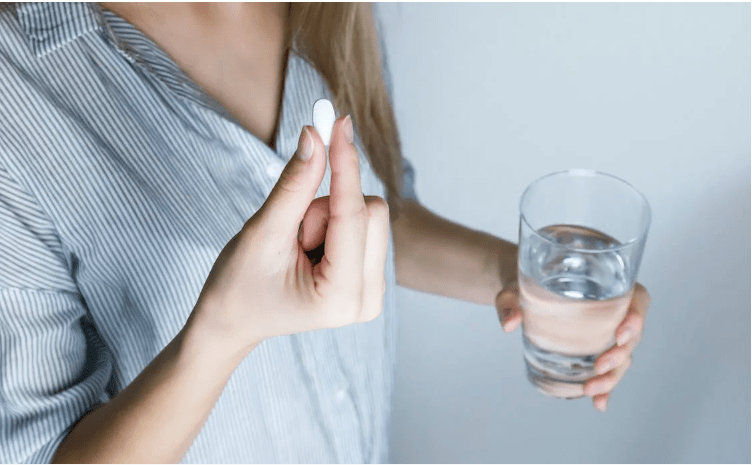
Systemic hormone replacement therapy is the prescription of drugs containing sex hormones. They are used in the form of tablets, injections, intrauterine devices, and patches. They compensate for the deficiency of natural estrogen and testosterone.
-
Over time, menopausal women and men begin to lose calcium. This leads to osteoporosis, which is treated with a combination of calcium and vitamin D.
If necessary, other medications are prescribed to treat menopausal symptoms. For example, antibiotics and probiotics in case of urethritis or vaginitis. Sometimes physiotherapeutic techniques such as acupuncture and massages have a good effect. For people with pathological menopause, treatment of menopause is based on replacement therapy.
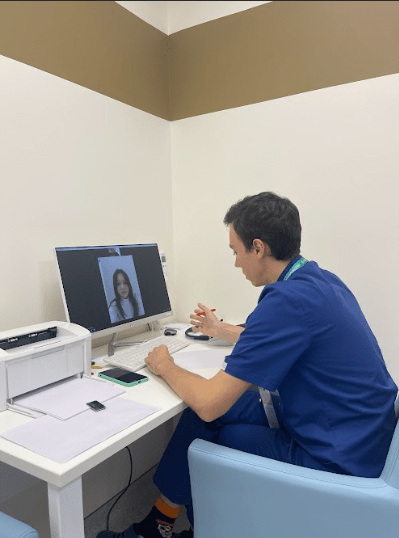
The Universum clinic doctor selects the dose and regimen of medications for each patient individually, which helps people regain their quality of life and maintain their health. It is possible to get a consultation without visiting the clinic, online.
Prevention
It is believed that the onset of menopause is genetic, and it is almost impossible to stop aging and prevent this process. However, measures have been developed to help delay the onset of this period and reduce its negative effects.
To prevent menopause and its complications, we recommend:
-
moderate physical activity, cardio training;
-
monitor ovarian health, protect against infections;
-
Kegel exercises to strengthen the pelvic muscles for women and men;
-
intellectual training, crosswords, chess, reading;
-
yoga classes, self-massages;
-
not to overwork, especially during perimenopause;
-
controlling body weight, combating overweight (obesity).
An important factor is ensuring a healthy lifestyle. First and foremost, it means limiting or refusing to drink alcohol.

Rehabilitation and nutrition
A recovery period makes sense only if menopause has developed as a result of medical interventions. The physiological process does not require rehabilitation as such. The treatment of symptoms and complications of menopause comes to the fore. In terms of nutrition, a diet is unlikely to delay the onset of menopause, but it can ease its course.
The menu during menopause is based on the following principles:
-
reduce the amount of carbohydrates (pasta, rice, potatoes);
-
give up alcohol, you can have some wine;
-
add legumes (peas, beans);
-
oily fish is allowed.
In general, a vegetarian diet is considered to be better, probably due to plant estrogens and fiber. Animal foods are associated with an earlier onset of menopause and a more difficult course. It is best for women and men who have reached the age of 40-45 to be periodically examined for gonadal function. If perimenopause or the onset of menopause is diagnosed, a doctor at LuxMedic Clinic will help you to develop a plan for the treatment and prevention of complications: osteoporosis, cardiovascular disorders.
Sources
-
United Nations, Department of Economic and Social Affairs. (2021) World Prospects 2021. https://population.un.org/wpp/Download/Standard/Population/ доступ 22.05.2023
-
Santoro N, Epperson CN, Mathews SB. Menopausal Symptoms and Their Management. Endocrinol Metab Clin North Am. 2015 Sep;44(3):497-515. doi: 10.1016/j.ecl.2015.05.001. PMID: 26316239; PMCID: PMC4890704.
-
Arar MA, Erbil N. The effect of menopausal symptoms on women's daily life activities. Prz Menopauzalny. 2023 Mar;22(1):6-15. doi: 10.5114/pm.2023.126436. Epub 2023 Apr 3. PMID: 37206677; PMCID: PMC10189673.
-
Lega IC, Fine A, Antoniades ML, Jacobson M. A pragmatic approach to the management of menopause. CMAJ. 2023 May 15;195(19):E677-E672. doi: 10.1503/cmaj.221438. PMID: 37188372; PMCID: PMC10185362.
-
Koysombat K, McGown P, Nyunt S, Abbara A, Dhillo WS. New advances in menopause symptom management. Best Pract Res Clin Endocrinol Metab. 2023 Apr 11:101774. doi: 10.1016/j.beem.2023.101774. Epub ahead of print. PMID: 37076317.
F. A. Q.
-
no menstruation for 3-6 months;
-
muscle tone and relief decrease;
-
there is no libido;
-
pathological fractures of the bones of the arms, legs, ribs occur;
-
skin dryness increases, wrinkles become more pronounced.
-
menopause is a long process of extinction of sexual functions, which is divided into three periods (perimenopause lasts 3-5 years, menopause itself lasts about 3-4 years and postmenopause after the complete cessation of sex hormone synthesis, in women - from the moment of the last menstruation);
-
during the first two periods of menopause, a couple still has a chance to conceive a child;
-
menopause is the name given to the postmenopausal period of menopause, when childbearing is not possible.
-
the average age for developed countries is 45-52 years;
-
poor living conditions, poor nutrition and hard work accelerate the onset of this period;
-
menopause can occur at any age if the function of the gonads is impaired (disease, injury, removal).
-
women have irregular menstrual cycles;
-
hot flashes occur in the skin;
-
mood changes frequently for no apparent reason;
-
sleep is disturbed, fatigue haunts;
-
increased skin dryness, in women - decreased vaginal lubrication;
-
any of these symptoms occur either after the age of 40 or after genital surgery.


