







The term "anomalous uterine bleeding" (AUB) refers to any vaginal bleeding in women that deviates from the normal menstrual cycle.
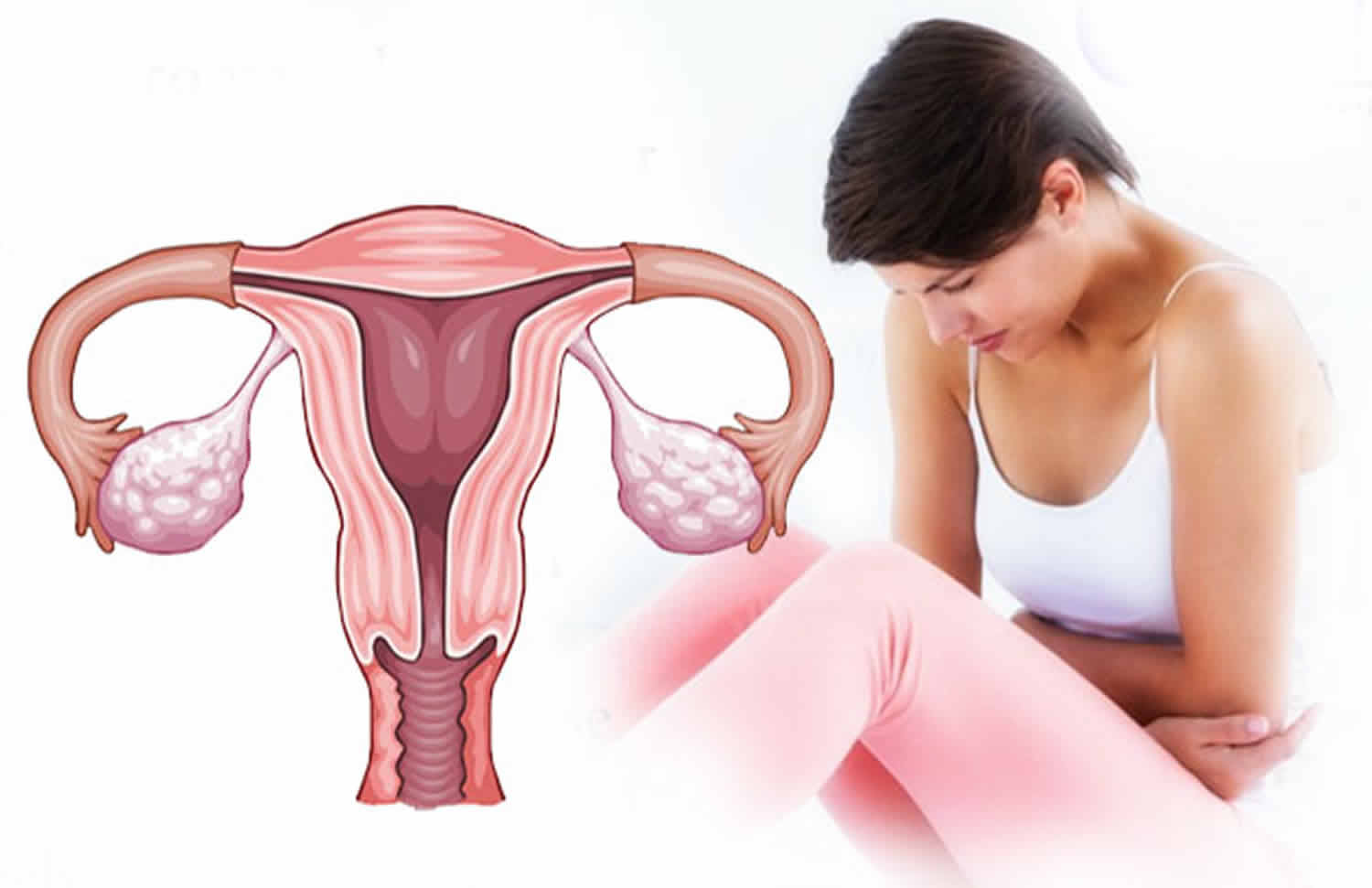
Under the label of AUB, gynecology encompasses three pathological processes: "menorrhagia," "menometrorrhagia," and "metrorrhagia." These terms are not used in modern medicine and are considered outdated.
Anomalous uterine bleeding is considered a common phenomenon, affecting approximately one in three women. However, not all women seek medical attention because they may not attach sufficient importance to their condition.
We strongly recommend consulting a gynecologist if uterine bleeding exhibits at least one of the following signs:
-
Lasts for more than 8 days.
-
The interval between episodes of bleeding (hemorrhages) is less than 24 days or more than 35 days.
-
Blood loss visibly exceeds 80 ml per cycle (more than 7 soaked pads or tampons per day and 10-15 hygiene products used during one menstruation).
-
Physical health disturbances (weakness, fatigue, dizziness) occur in conjunction with the bleeding.
A consultation with an experienced doctor at LuxMedic Clinic will help identify the cause of such a disorder and address it, whether it be hormonal imbalances or uterine growth.
Types of AUB
Usually, severe uterine bleeding (TUB) is the reason for seeking medical attention. These are serious situations where heavy or too frequent bleeding leads to anemia and significantly impairs a woman's well-being and ability to live and work.
TUB can be divided into two categories:
-
Acute AUB: Profuse, massive uterine bleeding in non-pregnant women, posing a threat to the patient's life. This abnormal condition requires urgent medical attention in a specialized clinic.
-
Chronic AUB: When the bleeding shows signs of abnormality but occurs more frequently than three times in the last six cycles and does not pose an immediate threat to life. In such cases, a planned consultation with a gynecologist is required to identify the cause of the pathology and address it.

Sometimes, abnormal uterine bleeding between menstrual periods is categorized separately. This approach has limited clinical significance as the problem can have either an acute or chronic nature.
To provide women with AUB professional assistance, LuxMedic Clinic uses modern international criteria.
Classification of Uterine Bleeding
In 2011, the International Federation of Gynecology and Obstetrics proposed the universal PALM-COEIN classification, which takes into account the cause of bleeding. The first section includes four types of anomalous uterine bleeding, whose sources can be visually identified:
-
P – Polyps of the uterine body.
-
A – Adenomyosis.
-
L – Leiomyomatosis, solitary leiomyoma.
-
M – Malignancy, malignant processes or endometrial hyperplasia.
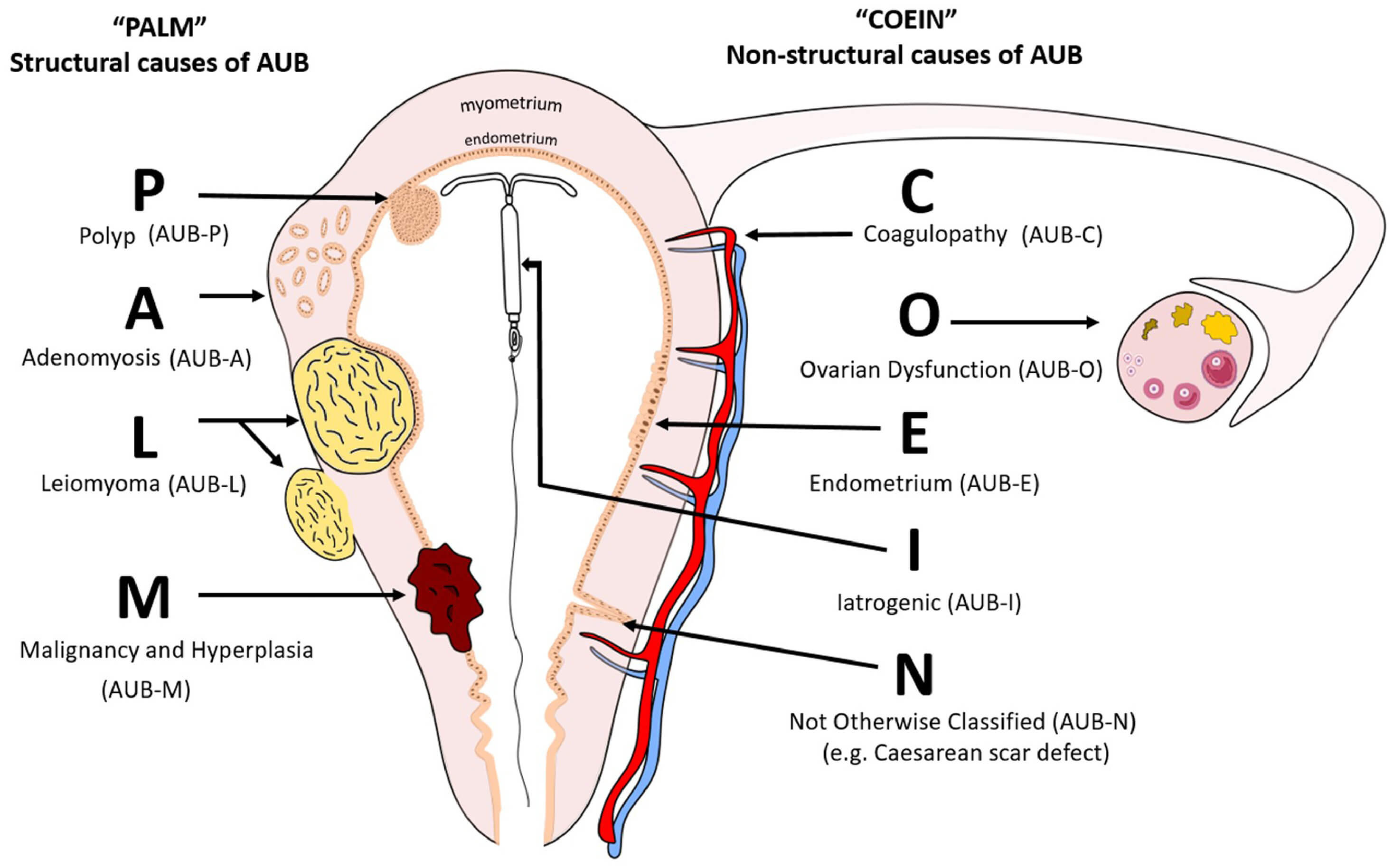
The second section of the PALM-COEIN classification includes factors not directly related to uterine pathology:
-
C – Blood coagulation disorders, coagulopathies.
-
O – Ovulatory disorders, ovarian dysfunction.
-
I – Endometrial pathology.
-
E – Iatrogenic AUB caused by medical interventions.
-
N – Other unclassified forms of anomalous uterine bleeding.
Causes of Occurrence
The general causes of anomalous uterine bleeding are reflected in the PALM-COEIN classification. However, there are factors that increase the risk of AUB in women of different ages. When developing a diagnostic and treatment plan for patients, gynecologists at the clinic take into account:
-
Age – ovulatory disorders due to hormonal imbalances are common in adolescents and women during menopause, while issues related to adenomyosis and polyps often arise in the reproductive age.
-
Thyroid gland pathology.
-
Reproductive organ problems – polycystic ovary syndrome (PCOS) is prevalent.
-
Coexisting illnesses – liver diseases exacerbate coagulopathies, and some medications for heart conditions affect blood clotting.
-
Medical history – previous abortions and gynecological surgeries.
-
Heredity – genetic predisposition to fibroids and coagulopathies.
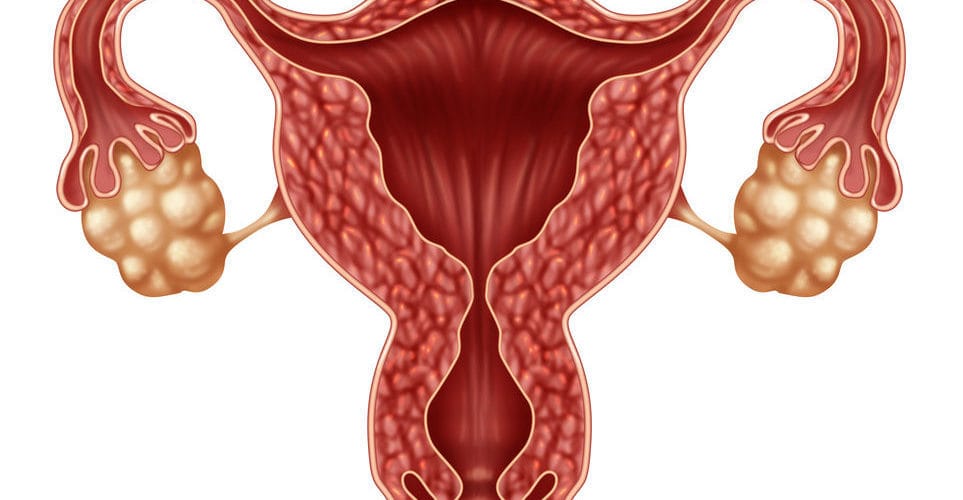
Patients with endometrial hyperplasia require special attention. These abnormal processes are dangerous due to the development of malignancies and may manifest primarily as AUB symptoms.
Symptoms of Anomalous Uterine Bleeding
It is necessary to consult a gynecologist even if there has been at least one episode of excessive or abnormal blood loss that does not fit into the normal menstrual cycle. Unfortunately, girls and women often neglect their health, which can lead to serious complications.
You should not delay a gynecological consultation if:
-
The bleeding is profuse, exceeding 80 ml.
-
Spotting occurs after menopause, when there have been no menstruations for 3 months or more.
-
Menstruation starts excessively early in a girl, before the age of 9.
-
Menstruation lasts for more than 8 days, and this phenomenon is observed for two or more cycles, not necessarily consecutively.
-
Complaints about overall health, including weakness, dizziness, and fatigue.
-
Paleness of the skin is observed.
-
Blood loss is accompanied by lower abdominal pain.
-
The next menstruation comes less than 24 days after the end of the previous one.
-
It is extremely dangerous when a tampon or pad saturates very quickly. In such situations, emergency medical assistance is required.
Diagnosis
Given the variety of causes that can lead to anomalous uterine bleeding, the diagnostic algorithm for such patients is developed individually. A gynecologist at LuxMedic Clinic initially conducts an interview and a gynecological examination. Then, a diagnostic plan is created.
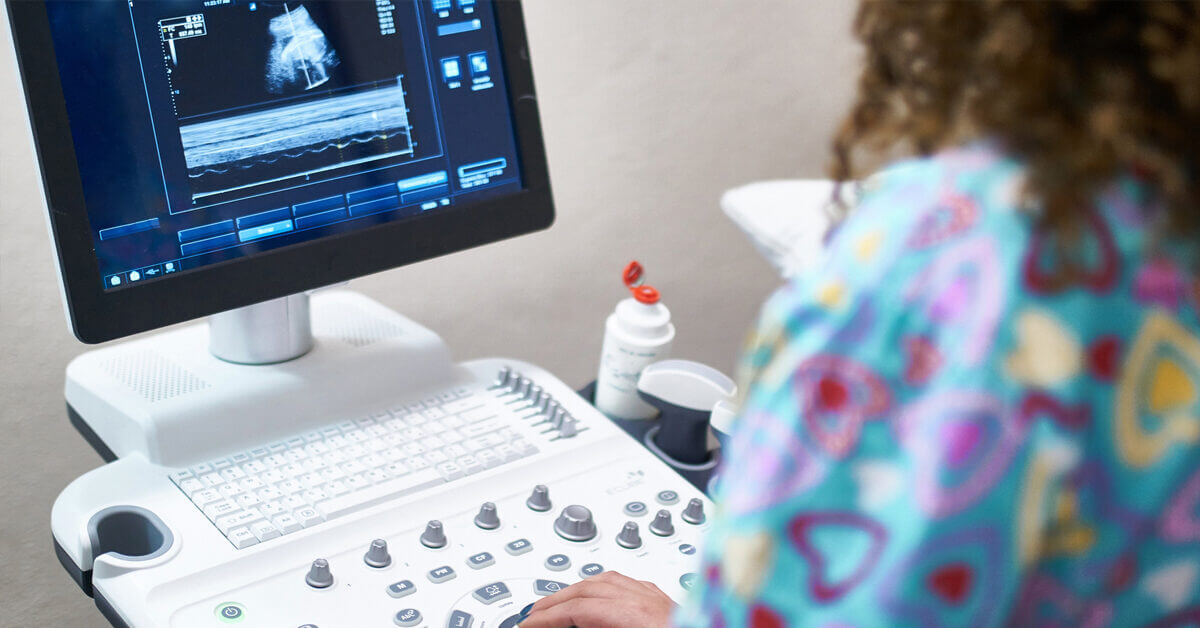
The diagnostic procedures may include:
-
Clinical and biochemical blood tests.
-
Hormonal panel – thyroid hormones, prolactin, chorionic gonadotropin.
-
A detailed coagulogram.
-
Transvaginal ultrasound (USG).
-
Hysteroscopy with or without biopsy.
Based on the results of the examination, the doctor can create a treatment plan for abnormal hemorrhages.
Treatment
Once the cause of anomalous uterine bleeding is determined, the treatment is tailored to address and compensate for the damage caused by acute or chronic bleeding.

The therapy plan is also developed individually and may include the following measures:
-
Medications to normalize blood clotting.
-
Iron supplements and erythropoietins.
-
Hormonal agents.
-
Intrauterine devices with hormones.
-
Surgical interventions to remove leiomyomas, polyps, or endometrial ablation.
If a woman seeks help too late, and irreversible damage has occurred to the uterus, a hysterectomy may be required.
To avoid the risks associated with AUB, gynecologists at LuxMedic Clinic recommend that all girls and women undergo regular preventive check-ups. This will help prevent danger and address the problem at its early stages when the harm to the body is minimal.
Sources
- Aleksandra O. Tsolova et al, “Pre-clinical models to study abnormal uterine bleeding (AUB)”, eBioMedicine 2022;84: 104238 Published online 5 September 2022.
- Grubman J et al. “Emergency department visits and emergency-to-inpatient admissions for abnormal uterine bleeding in the USA nationwide.”, Emerg Med J. 2022 Nov 2. doi: 10.1136/emermed-2021-211878. PMID: 36323495.
- P.O. Sytnik, “Abnormal uterine bleeding: modern analysis of etiopathogenesis, diagnosis and treatment”, Municipal non-profit enterprise «City clinical hospital № 1» of the Odessa City Council, Odessa, Ukraine.
F. A. Q.
-
Hormonal uterine bleeding can last from 8 to 14 days.
-
Pay attention if menstruation lasts 48 hours longer than usual.
-
Voluminous bloody discharge exceeding the physiological norm of 40–80 ml for the entire menstrual period.
-
Bleeding lasting more than 8 days.
-
Bleeding occurring between menstrual periods.
-
Blood being discharged after sexual intercourse.
-
First menstruation (menarche) occurring before the age of 9 or menstruation resuming after menopause.
-
Blood being discharged during pregnancy.
-
If you feel weakness, dizziness, or fatigue after menstruation.
-
If menstrual problems are accompanied by other symptoms (lower abdominal pain, nipple discharge, bloating).
-
When menstruation comes earlier than 24 days or is delayed for more than 35 days.
-
If you have to use more than 7 tampons or pads per day and change them at night.
-
If clots or bright red blood appear.
-
Blood loss can last for 8 days or longer.
-
Such situations may occur as often as twice a month or more.
-
If left untreated, anomalous hemorrhages can last for years.
-
An exception is in adolescents; issues with anomalous bleeding may resolve on their own after the menstrual cycle stabilizes.


