




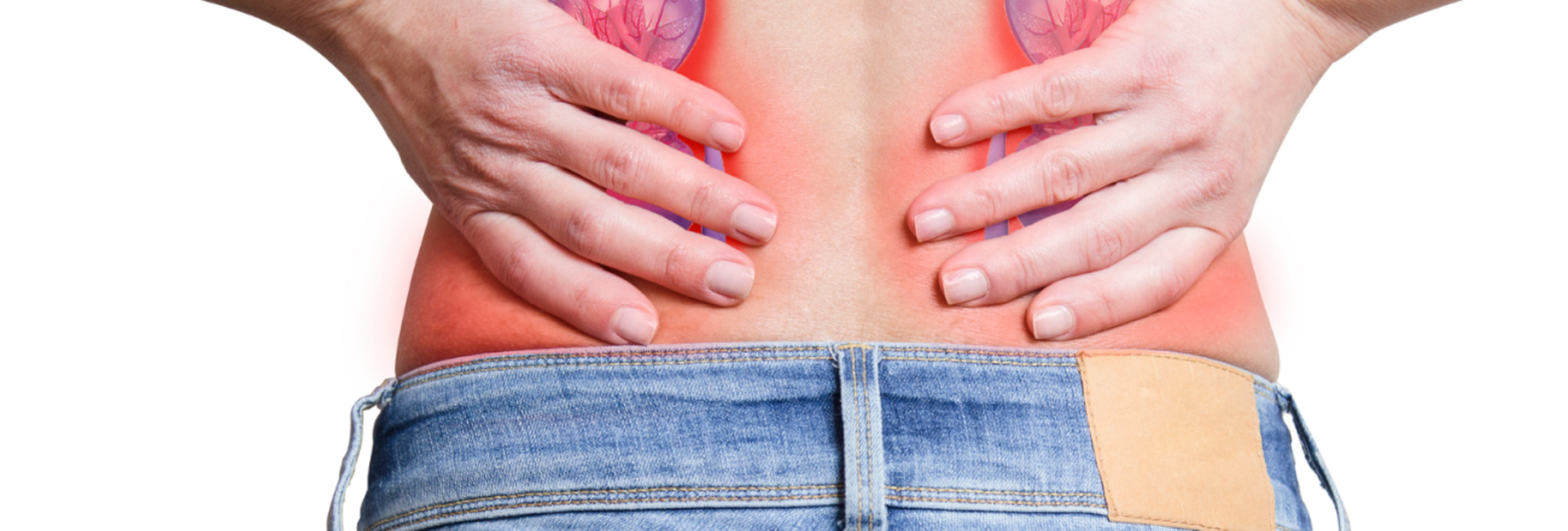


Urolithiasis or urolithiasis is a chronic disease in which hard deposits, stones, form in the organs of the urinary system. The pathology is dangerous because of its latent course in the early stages and the complications it causes as a result of progression.
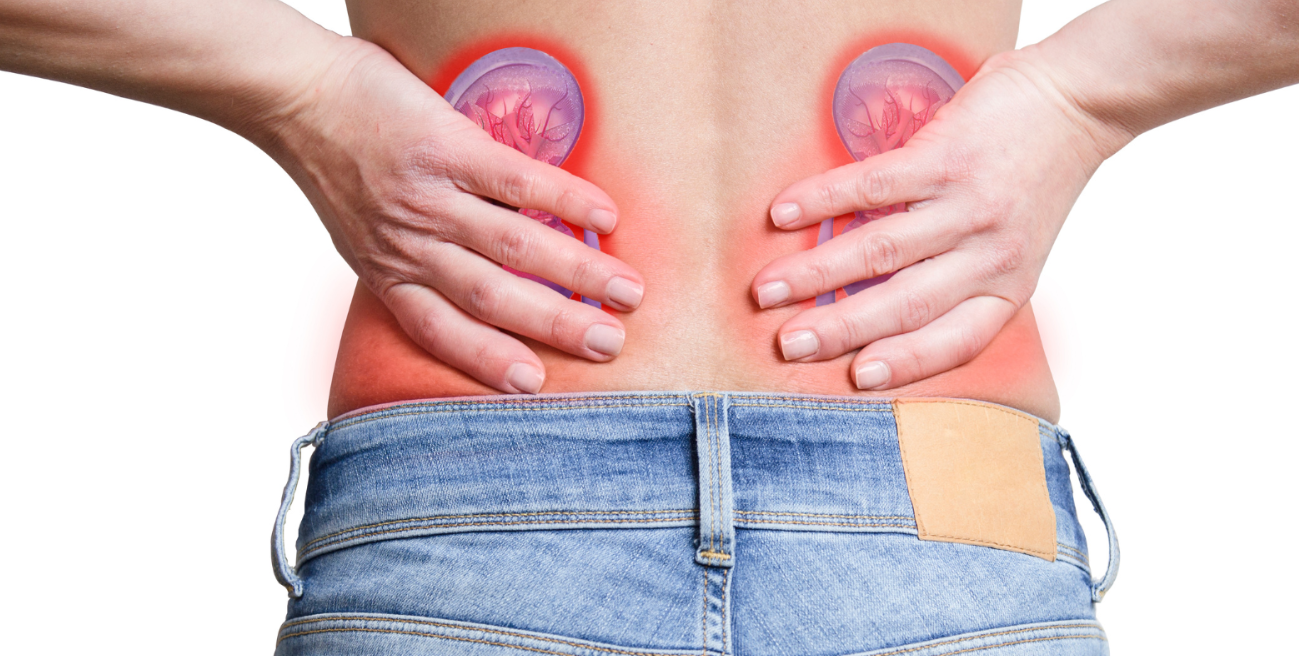
Solid particles (stones or calculi) can form in any part of the urinary system (kidneys, bladder). Once in the ureter, they cause renal colic. If left untreated, they can block the urinary outflow tract and cause severe hydronephrosis.
Causes
Urine is a complex, multi-component substance. The kidneys filter out organic toxins and mineral metabolites: salts of calcium, phosphorus, magnesium, and uric acid. Special enzyme systems keep these molecules in a dissolved state, allowing the salts to be removed from the body.
Unfortunately, this complex mechanism often fails and the minerals form insoluble deposits.
At the onset of urolithiasis, the crystals are small (sand). Over time, the salt fragments stick together and form a large, hard, insoluble stone.
-
The causes of urolithiasis are well known:
-
Hereditary dysfunction of protective enzyme systems;
-
Infections of the genitourinary system (cystitis, prostatitis, pyelonephritis);
-
Anatomical peculiarities of the urinary system;
-
Overdose of vitamin D preparations;
-
Deficiency of vitamins A, B, E, K;
-
Diseases of the digestive system;
-
Lack of clean drinking water, dehydration;
-
problems with regular visits to the toilet, if you have to endure
-
Alcohol abuse;
-
Metabolic disorders such as gout, parathyroid dysfunction.
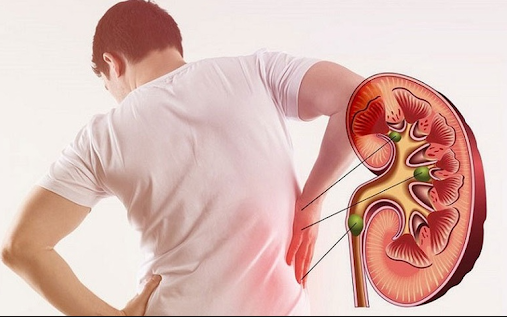
It has been observed that urolithiasis is more common in men than in women. This can be explained by two factors. The first is the tendency of the stronger sex to drink alcohol, which disturbs the acid-base balance of the urine. The second is prostatitis, which leads to stagnation in the urinary tract.
Symptoms
At the stage of small salt deposits, urolithiasis does not manifest itself. The kidneys cannot hurt because they do not have pain receptors. However, the sand may cause discomfort in the flank (ureteral reaction) and burning in the urethra during urination.
Typical symptoms of urolithiasis are most often associated with an attack of renal colic. When a stone passes from the renal pelvis into the ureter, the situation is greatly aggravated:
-
An attack of unbearably strong, sharp pain in the flank occurs;
-
The pain radiates down the ureter into the urethra;
-
The person is restless, can't find a place to sit;
-
Painkillers are ineffective;
-
Nausea and bloating are noted;
The amount of urine may decrease and blood impurities may appear in it.
Important: stones can form not only in the kidneys (nephrolithiasis), but also in the bladder (cystolithiasis). These are variants of urolithiasis, which can be combined in one patient.
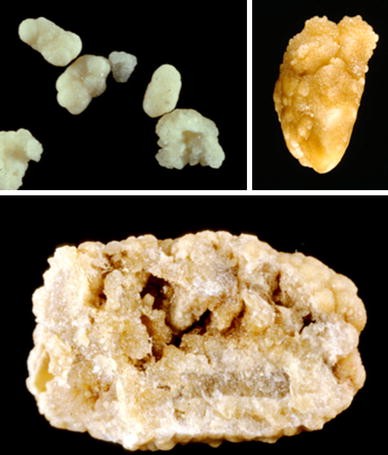
As a result of nephrolithiasis, a person is likely to experience renal colic. When calculi occur in the bladder, the first symptom may be acute urinary retention without a clear clinical picture.
Diagnosis
In the case of renal colic, the urologist can make the correct diagnosis by analyzing the characteristic symptoms. However, a thorough urological examination is necessary to understand the situation before complications occur. For example, urolithiasis in women can simulate ovarian pathology.
To diagnose urolithiasis the following methods are used:
-
Urine tests, sediment microscopy, pH measurement;
-
Ultrasound of the abdominal cavity and bladder;
-
Clinical and biochemical blood tests;
-
X-rays, CT scan;
-
Endoscopy of bladder, pelvis;
-
MRI.
The difficulty is that the course of urolithiasis can be characterized by the formation of several types of stones. Phosphates are formed from calcium and phosphorus salts. Oxalic acid salts form oxalate stones. Uric acid forms urate stones. In the case of enzyme disorders, cystine stones are formed.
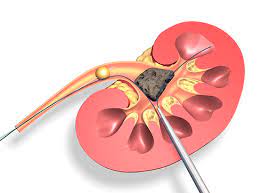
Some formations are not visible on x-ray (x-ray negative stones). Therefore, in order to get a complete picture of the patient's condition, the LuxMedic Clinic uses the full range of necessary techniques.
Treatment
It is best if urolithiasis is detected at the stage of sand, salt accumulation. Then it is easier to deal with it.
For treatment of urolithiasis are used:
-
antispasmodics;
-
anti-inflammatory drugs;
-
herbal remedies;
-
drugs to correct urine pH;
-
dietary nutrition;
-
ureteral stenting;
-
antibiotics, if needed.
Diuretics may be useful in the early stages. However, they should not be used if there is a risk of the urinary tract being blocked by a stone.
Large stones are unlikely to pass. Lithotripsy, the removal of stones from the kidney or bladder, is used to treat them.
It is extremely dangerous to take diuretics and try to wait out attacks at home. A stone can block the outflow from one or both kidneys, leading to hydronephrosis. The affected kidney becomes overloaded with urine and is at risk of dying.
Prevention
The only way to protect yourself from urolithiasis is to avoid provoking factors. To prevent urolithiasis, it is recommended to
-
Drink only clean, softened water;
-
Avoid infections of the urogenital system;
-
moderate alcohol consumption
-
Use safe herbal remedies;
-
Reduce consumption of salty foods and animal fats.
It would be wise to have an annual urological examination for kidney stones. Especially if you have a family history of urolithiasis.
Rehabilitation and Diet
As a rule, rehabilitation is not required after a course of therapeutic treatment. There are separate recommendations if the patient has undergone lithotripsy or surgery.
As for nutrition, diet plays an important role in urolithiasis. A rational menu helps to stop the progression of urolithiasis and protects against relapses.
The principle of diet for urolithiasis:
-
Red meat, herring and dishes with animal carcasses are forbidden. You can't eat jellies, strong broths, sour plants (sorrel, lettuce, spinach). Marinades, smoked meats, spices in the form of horseradish, mustard, adjika are not allowed. Alcohol in any form is contraindicated.
-
It is recommended to limit the intake of calcium and phosphorus. Milk up to 2 glasses a day, and not more than 1 egg a day. It is necessary to reduce the consumption of meat, canned fish, legumes and chocolate. Drink less tea, coffee and cocoa.
-
Fresh fruits and vegetables, vegetable oils are allowed. Flour dishes, honey, cereals and grains do not affect urolithiasis.
F. A. Q.
-
Most cases of urolithiasis are latent and asymptomatic for some time;
-
There may be a sensation of pulling in the side when passing sand;
-
Burning sensation during urination;
-
Urine flow may stop (typical for bladder stones);
-
Renal colic is manifested by sudden sharp pain in the flank, anxiety, bloating, and often blood in the urine.
-
There are no painful endings in the kidneys, so the pain is caused by irritation of the ureter, bladder, urethra;
-
The pain is dull, localized in the side, to the right or left of the spine, just below the ribs;
-
Salt and stones scratch the ureter, causing the pain to radiate to the genitals;
-
The first manifestation is pain and burning during urination.
-
Red meat, lungs, kidneys and brains of animals;
-
Broths, jellies and marinades saturated with extractive substances;
-
Acidic plants - sorrel, spinach;
-
Spices - horseradish, pepper, adjika, mustard;
-
Alcohol is forbidden;
-
Limit calcium and phosphorus (milk, eggs).
-
Yes, you can completely get rid of the negative impact of urolithiasis on your life;
-
You need to take measures to prevent salt precipitation;
-
In case of sand formation, it is safe to wash it out of the urinary tract;
-
Concretions and stones cannot be dissolved, they are crushed by lithotripsy, small fragments are released naturally;
-
After treatment, a combination of preventive treatment and diet can prevent the disease from recurring.
