




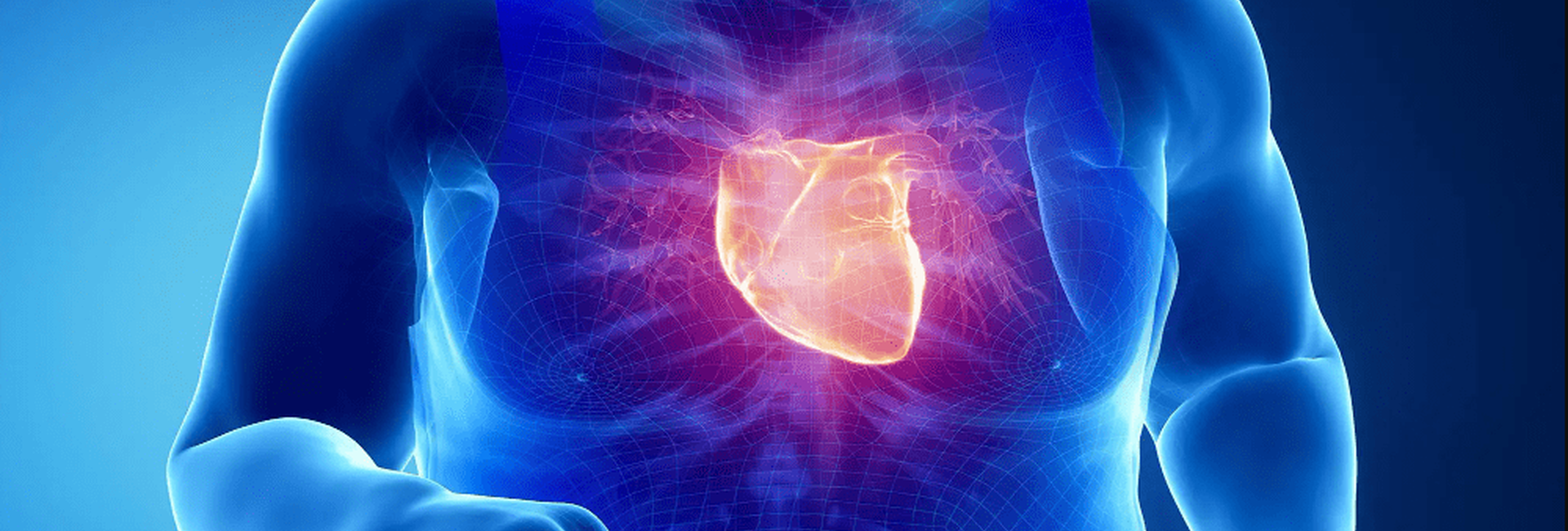


Overweight is a clinical diagnosis that indicates excessive fat accumulation in a particular person, it is considered the initial stage of obesity.
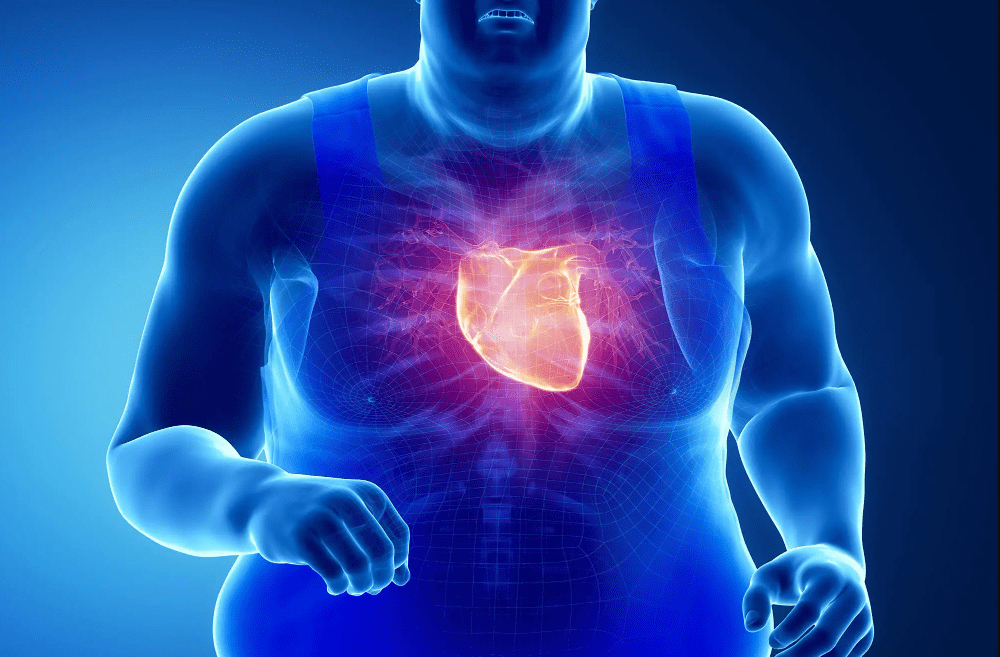
Excess adipose tissue is calculated mathematically, taking into account a person's physique, gender and age, which makes it possible to diagnose and treat such a disorder.
Obesity at any stage is dangerous cardiovascular problems, diabetes, joint pathology, the development of urolithiasis. At the same time, it is not so easy to get rid of obesity: an ill-considered diet can do more harm than fat. That is why it is recommended to turn to specialists in the field of obesity: LuxMedic Clinic will help to identify the causes of fat deposits, eliminate them and restore health to the body.
Causes
According to WHO statistics, about half of the people in Europe have an overweight problem. And about 30% of these people suffer from full-blown obesity. This prevalence is due to the many factors that can cause excessive fat storage.
-
Common causes of overweight and obesity:
-
Hypodynamia, lack of physical activity;
-
Excess carbohydrates and fats in the diet;
-
Alcohol consumption;
-
genetic disorders of metabolism;
-
Pathology of endocrine glands (thyroid gland);
-
Traumas and diseases of the brain;
-
Stress, psycho-emotional overload;
-
Sleep disorders;
-
psychological peculiarities;
-
viral infections (adenovirus Ad-36).
The gender factor also has an influence: overweight is more common in women due to the peculiarities of the hormonal background, which changes with age.
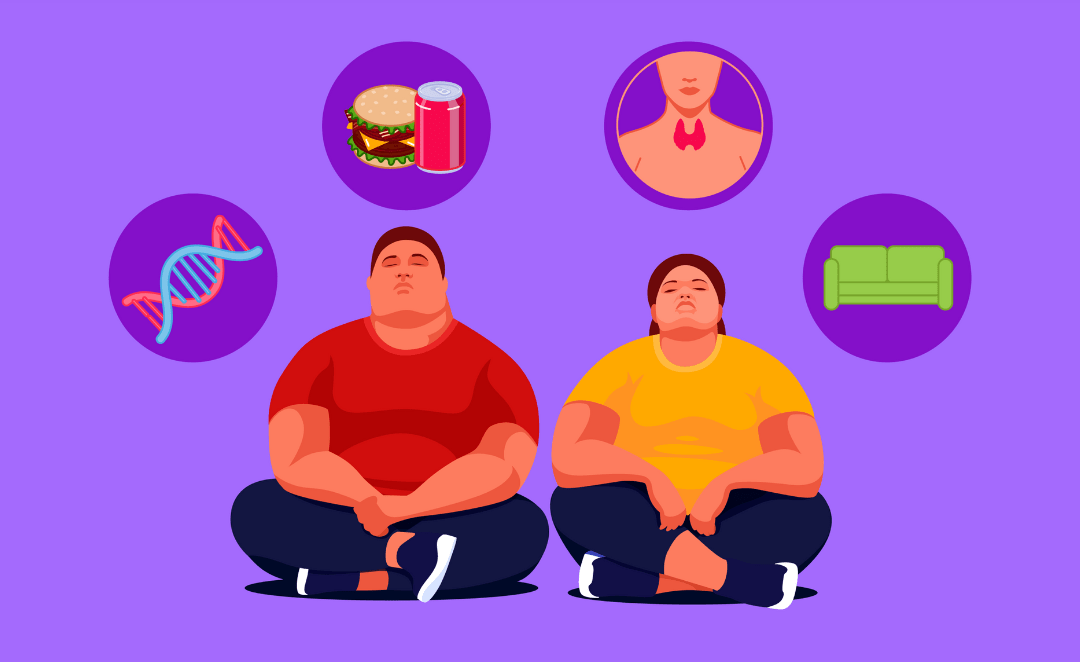
Depending on the cause, excess fat mass may occur as a primary pathology or as a secondary pathology. But these are subtleties that clinicians need to understand in order to properly develop a treatment plan for the patient. The individual must be aware of the manifestations of obesity and seek help in a timely manner.
Symptoms
When fat deposits are visible to the eye, it is already an advanced stage of pathology, obesity. It is desirable to detect the problem earlier.
How to calculate the degree of obesity
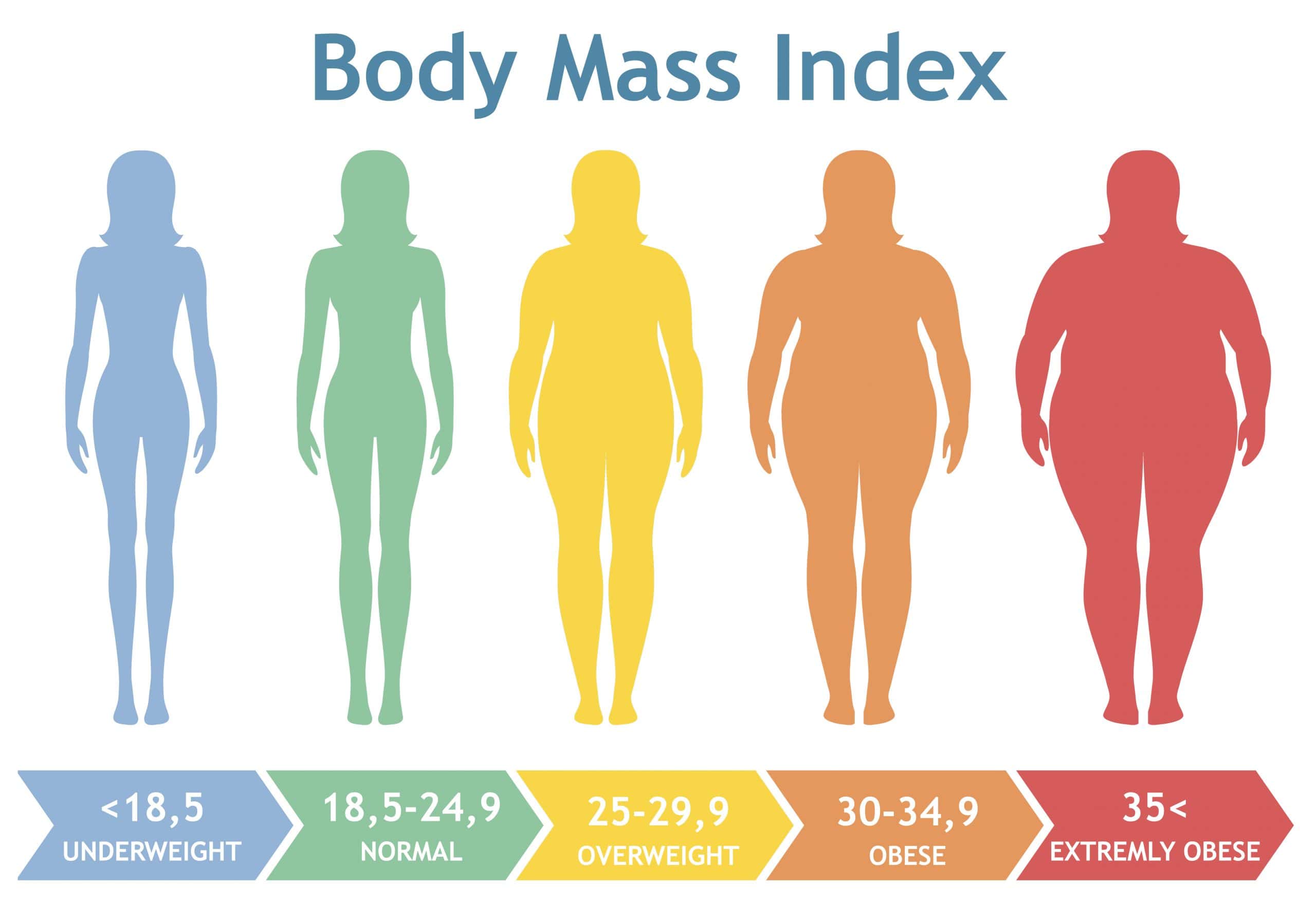
To identify the symptoms of excess weight accumulation and assess the severity of the process, such an indicator as body mass index (BMI) is used. A simple Kettle method: body weight in kilograms divided by height in meters squared.
The result is estimated as follows:
-
Less than 18.4 - overweight;
-
18.5 to 24.9 is normal;
-
from 25 to 29.9 - already overweight, health risk is increased;
-
a number in the range of 30-34.9 indicates first degree obesity;
-
35 to 39.9 is second degree obesity;
A number greater than 40 indicates severe third-degree obesity with a very high risk of associated diseases.
Fat deposits can accumulate in different parts of the body. In women, the gynoid type - deposits in the buttocks and thighs - is more common. Men are more likely to have abdominal obesity, in the abdomen and trunk.
Clinical manifestations
In the mild stages of obesity, symptoms are minimal because the body can compensate for the excess weight to a certain extent. Over time, as the process worsens, the already noticeable symptoms of obesity will be added:
-
Chronic fatigue;
-
Shortness of breath during previously normal physical activity;
-
Headaches;
-
Сrunching in the joints;
-
Thirst;
-
Heartburn;
-
Heart problems (arrhythmia, frequent palpitations, burning behind the breastbone);
-
Bowel problems (usually constipation).
Obesity in men may begin with a decrease in libido, as sex hormones are not delivered to the target organs, but are absorbed by fat tissue.
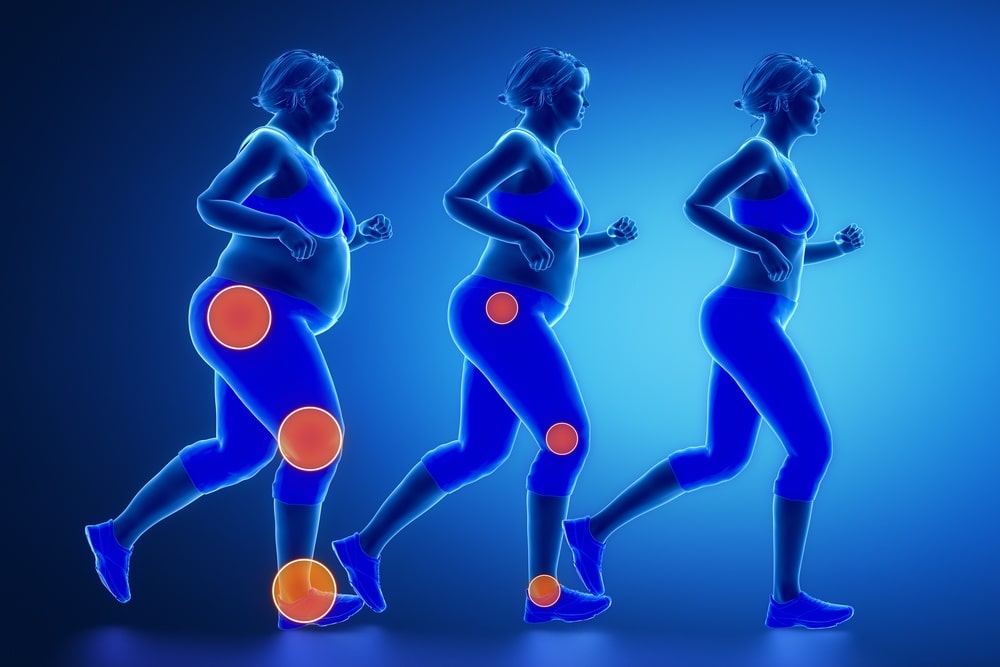
As the pathology progresses, symptoms of associated diseases are added. Such as diabetes mellitus, urolithiasis and cholecystitis, arthrosis of knee and hip joints, heart problems, gout.
Diagnosis
You should consult a doctor at any sign of obesity. Consultation with a specialist of LuxMedic Clinic will help to assess the degree of the process, identify its probable causes.
The algorithm of obesity diagnosis includes:
-
Calculation of body mass index using complex formulas;
-
Blood tests for lipid profile;
-
Determination of blood sugar level;
-
ECG, echocardiography;
-
Blood urea and creatinine;
-
Thyroid hormone levels, testosterone in men, estradiol in women;
-
CT and MRI of the head, endocrine glands.
Ultrasound of the thyroid, adrenal glands and abdominal organs is mandatory.
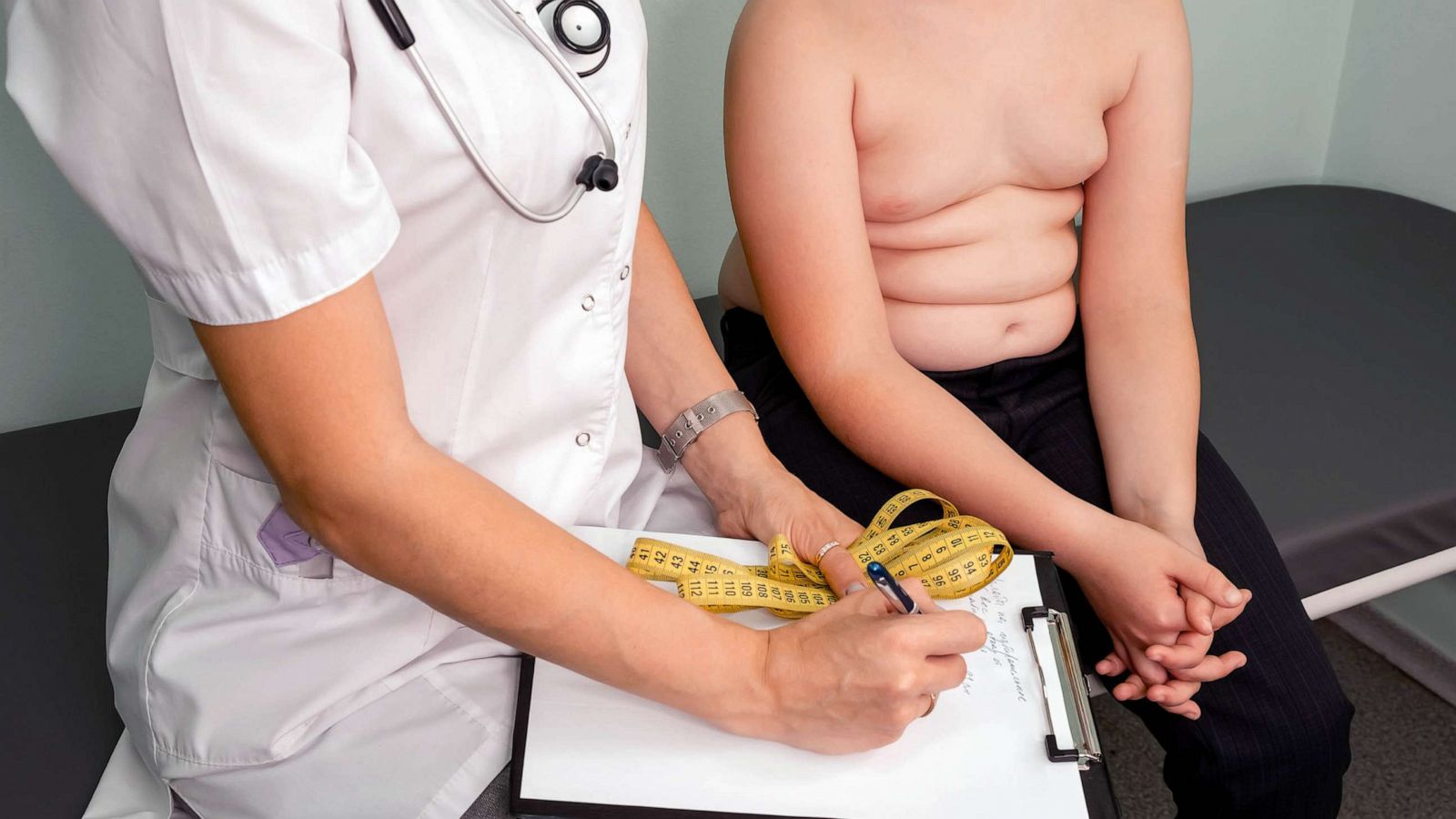
This examination is particularly important in children: obesity in children is often accompanied by dangerous fatty liver disease.
Treatment
The first thing to do is to balance the intake of calories from food and their consumption. The second is to eliminate the pathological factors that led to or caused the excess weight.
Three techniques are used to treat obesity:
-
Non-medical approach. A person is selected a menu, make a program of physical exercises.
-
Medication. It is indicated already at the first degree of obesity. Medications are used that suppress appetite, reduce the absorption of carbohydrates and fats in the intestine. Means that increase metabolism can be prescribed.
-
Surgical techniques are very effective, but it is better to use them when other methods of treating obesity are ineffective.
Since excess fat is bad for the whole body, other specialists are involved in the treatment. If necessary, LuxMedic Clinic organizes consultations with a neurologist, cardiologist, gastroenterologist. For women - gynecologist.
Unfortunately, many people are engaged in the treatment of obesity on the advice of acquaintances or from the Internet. Such actions are dangerous: improper diet and lifestyle can lead to a decrease in body weight, but not at the expense of fat, but due to the loss of muscle tissue.
A professional obesity treatment program, with the help of the patient, gives noticeable results after 3-4 weeks from the beginning. The person maintains a harmonious physique, regains activity and normal health.
Prevention
Unfortunately, it is not so easy to prevent the increase of fat mass. Especially if it occurs due to pathology of hormones, internal organs, glands, brain.
Nevertheless, it is possible to reduce the probability of obesity.
To prevent excessive weight gain, it is recommended to:
-
if necessary, balance the diet - consult a gastroenterologist, nutritionist;
-
eat smaller portions but more often, up to 5-6 times a day;
-
eat dinner no later than 2-3 hours before going to bed;
-
limit the consumption of alcoholic beverages;
-
exercise, avoid hypodynamia;
-
regularly monitor blood pressure, heart condition, blood sugar level.
It is also necessary to get rid of eating habits that force you to eat at night, often open the refrigerator, chew something.
Rehabilitation and rational nutrition
No quick program to get rid of fat will be effective, the kilograms will quickly return. In order to achieve a lasting result, you need to undergo at least three stages of obesity treatment, the total duration of which is about 12 months.
LuxMedic Clinic offers professional obesity treatment in Kiev, Lviv, Khmelnitsky, Chernivtsi, Uzhgorod, in all its branches. Thanks to our balanced, evidence-based approach, we will help you normalize your metabolism and stabilize it at a qualitatively new level.
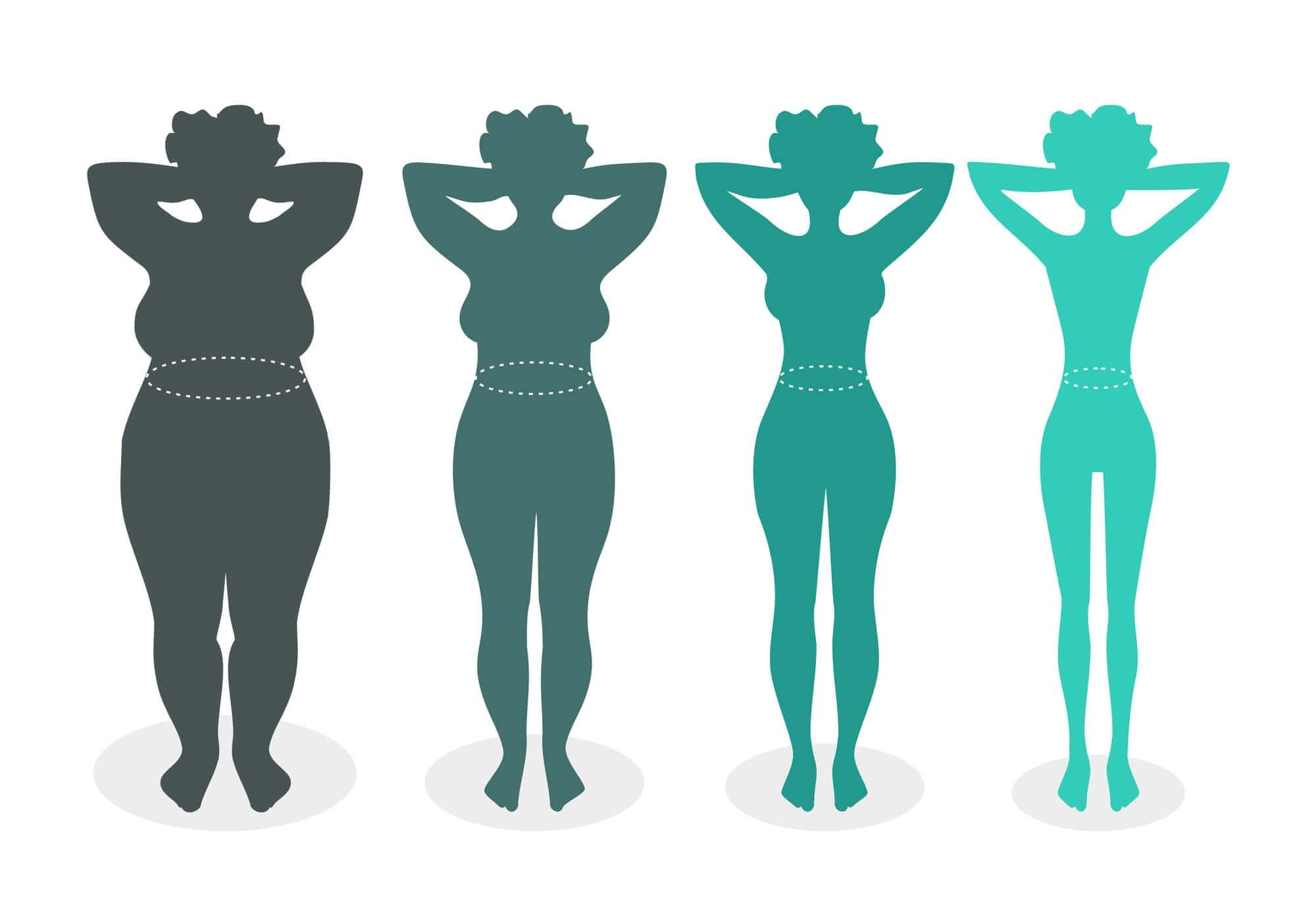
To consolidate the achieved effect, each of our patients receives comprehensive recommendations for further actions. A balanced diet plan is prepared and supportive therapy courses are offered. If necessary, our doctor will help you deal with the complications of obesity.
F. A. Q.
-
Dietary habits, high calorie intake;
-
Hypodynamia, sedentary lifestyle or work;
-
Hormonal disorders, thyroid dysfunction, brain dysfunction;
-
Sex hormone metabolism disorders;
-
Type 2 diabetes mellitus (may also be a consequence of obesity);
-
Hereditary predisposition to weight gain;
-
stressful conditions.
-
We can talk about overweight if the Kettle index, the ratio of current body weight to height squared (kg/m2), is in the range of 25-29.9;
-
a higher index - already obesity, which comes in three degrees.
-
Endocrinologic help is needed only when excess weight is caused by hormonal disorders;
-
thyroid hormone preparations may be prescribed;
-
in some cases, adrenal hormones, pituitary hormones are relevant;
-
in the case of diabetes mellitus, the endocrinologist may prescribe a scheme of insulin therapy.
-
Make sure there is excess fat by calculating the Kettle index;
-
Realize that treating excess weight not only gives the body back its cosmetic appearance, but also protects against serious diseases;
-
Go to a clinic for professional examination and selection of optimal treatment tactics.
