




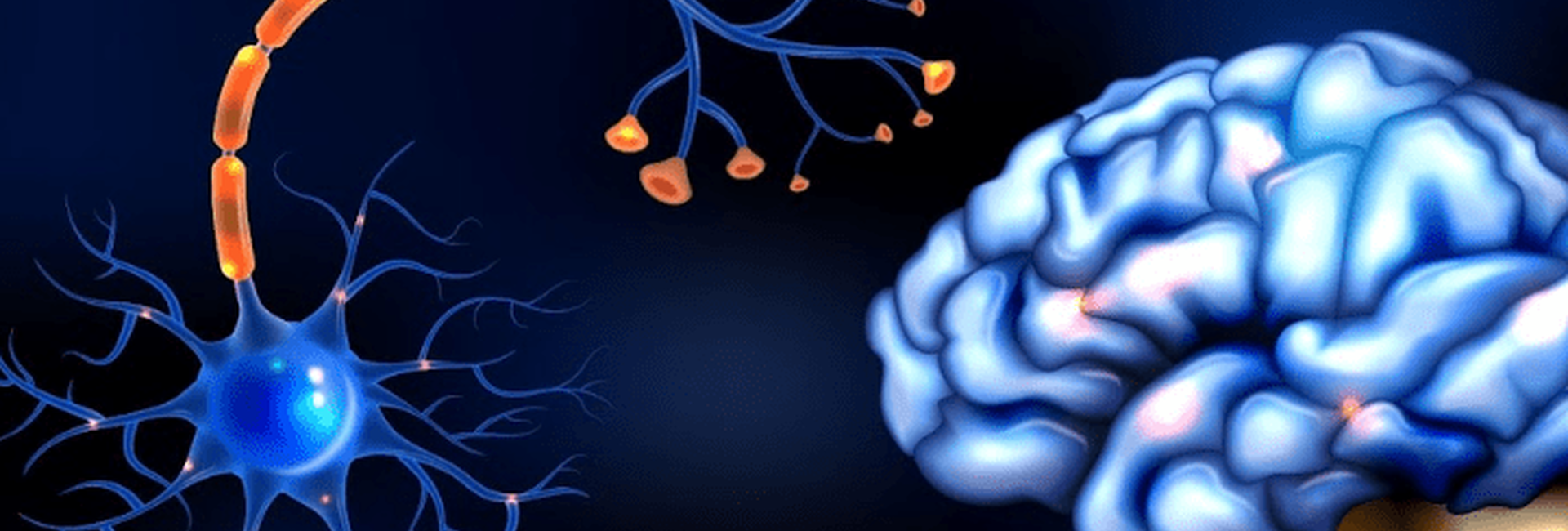


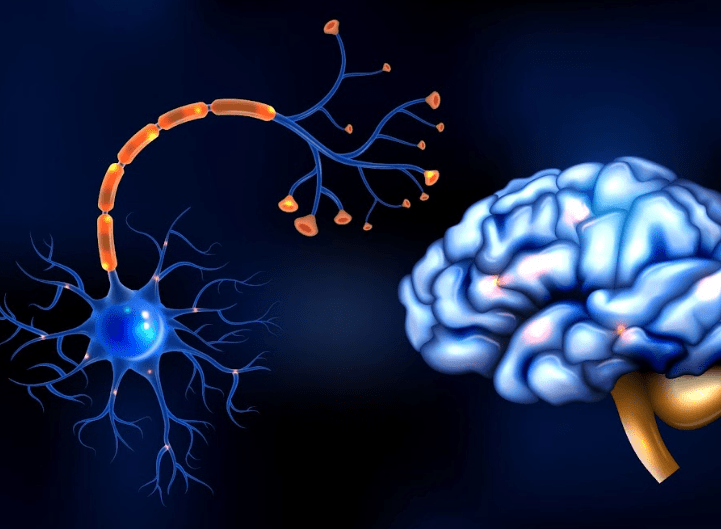
Multiple sclerosis (Sclerosis multiplex) is a serious and unfortunately quite common neurological disorder. The peculiar feature of the disease is that, due to various factors, the immune system begins to attack its own nervous tissues.
First and foremost, myelin is destroyed – the protein coating of nerve fibers, a kind of insulation that ensures that the nerve impulse goes where it's needed. This process leads to the demyelination of the conductive pathways, causing electrical signals from nerve cells to spread chaotically. Over time, affected individuals lose the ability to control their movements, balance, and other neurological functions.
Thanks to timely diagnosis of multiple sclerosis (MS), doctors can halt or significantly slow down the progression of this chronic autoimmune disease. Neurologists at LuxMedic Clinic have all the necessary capabilities to detect the pathology and take steps to treat such patients.
Causes
Although multiple sclerosis has been known since the 19th century, its exact cause remains uncertain. However, it is known in the medical field that heredity and genetics play a significant role in the development of the disease.
It is believed that due to certain genetic characteristics, the immune system of the body has a predisposition to attack nerve fibers and tissues. At some point, some triggering factor leads to the onset of MS.

Triggers and causes of multiple sclerosis can include:
-
Viral infections (such as measles, herpes group viruses, coronaviruses, and others).
-
Bacteria (mycoplasma, streptococci, syphilis-causing bacteria).
-
Allergic reactions, like those to animal fur.
-
Poisoning by chemical substances or heavy metal salts.
-
Psychoemotional stress, acute and chronic stress.
-
Imbalance of trace elements due to water and dietary composition.
-
Vitamin deficiencies in vitamin D and B12.
Multiple sclerosis is characterized by an early onset and can even occur in children under the age of 15. The peak incidence of the disease typically occurs around the age of 30.
Symptoms
Multiple sclerosis is characterized by a chronic course with periods of remission and exacerbation (attacks). It is essential for patients to pay attention to the problem at an early stage, in the debut of multiple sclerosis.
Characteristic symptoms of multiple sclerosis include:
-
Rapid fatigue.
-
Altered muscle tone in the limbs, leading to weakness in the arms and legs.
-
Loss of superficial reflexes (abdominal, plantar)
-
Unsteady gait, difficulty performing the finger-to-nose test.
-
Problems with urinary and bowel incontinence.
-
Impaired skin and pain sensitivity.
-
Difficulty discerning the position of a limb when closing the eyes.
-
In young men, potential issues with erectile function, while women may experience problems with lubrication.
-
Reduced vision in one or both eyes, with narrowing of visual fields.
-
Impaired color perception.
-
Loss of the ability to converge the eyes at the tip of the nose.
-
Tremors in the limbs (fingers, hands, uncontrolled leg shaking).
-
Decline in cognitive abilities, memory, and intelligence.
-
Occasionally, seizures, similar to those seen in epilepsy.

Pain is typically not a characteristic symptom of multiple sclerosis. In other words, any of the listed phenomena are more likely to manifest without pain. This feature significantly complicates diagnosis and often leads to delayed seeking of help.
In a disease like multiple sclerosis, symptoms can be associated with an increase in body temperature, which is often related to a viral infection that triggers the autoimmune process.
It is recommended to pay attention to your own and your child's health. If any of the described signs appear, it is advisable to seek a neurologist's consultation at a clinic. Early detection and diagnosis are essential for effective management.
Diagnosis
Detecting multiple sclerosis (MS) during the first attack, at its onset, is extremely challenging. However, the earlier a correct diagnosis is established, the greater the chances of halting the progression of the disease. In cases of delayed diagnosis, when multiple impairments are already present, some neurological functions are practically impossible to restore.
To diagnose multiple sclerosis, the following steps are typically taken:
-
Assessment of the patient's condition using the McDonald criteria (McDonald W.I.), and the Expanded Disability Status Scale (EDSS).
-
Interviewing the patient to understand the history of the disease and symptom dynamics.
-
Functional tests and trials.
-
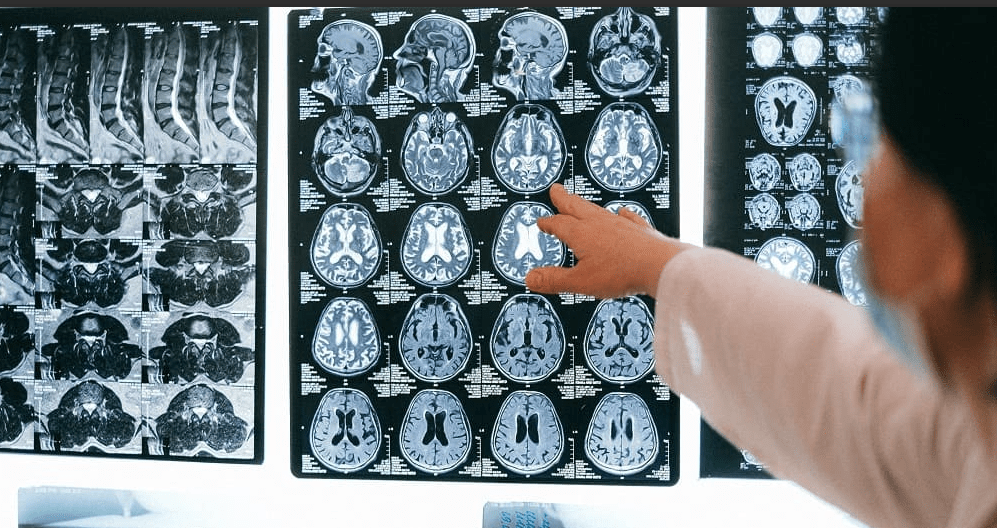
MRI scans of the brain and spinal cord to detect demyelination lesions and assess results according to MAGNIMS criteria.
-
Evoked potentials testing.
-
Blood tests for specific immunoglobulins.
-
Lumbar puncture and analysis of cerebrospinal fluid.
These diagnostic measures help confirm the presence of multiple sclerosis and determine the extent of the disease, which is essential for developing an appropriate treatment plan.
At LuxMedic Clinic, great attention is given to the diagnostic phase because the treatment plan depends on the results of the examination. In clinical practice, various neurological conditions can present with similar symptoms to multiple sclerosis, such as:
-
Vitamin B group deficiency (B-complex vitamin deficiency).
-
Neuroinfections, encephalitis, and myelitis.
-
Intervertebral disc herniation (herniated discs).
-
Spinal cord strokes (transverse myelitis).
-
Central nervous system neoplasms.
-
Optic nerve lesions (opticomyelitis, retrobulbar neuritis).
Incorrectly diagnosing a condition can lead to the progression of a different ailment that mimics multiple sclerosis during treatment, worsening the patient's condition. Therefore, accurate diagnosis is crucial for effective management.
Treatment
The goal of multiple sclerosis (MS) treatment is to halt the progression of the disease and restore damaged neurological functions. These results can be achieved by applying modern protocols tailored to the specific patient.
For the treatment of multiple sclerosis, various approaches and medications are used, including:
-
High-dose corticosteroid drugs.
-
Interferon-beta.
-
Immunosuppressive drugs (cytostatics).
-
Eliminating disease triggers (sanitizing infection foci, addressing vitamin deficiencies, etc.).
-
Preventing potential complications (calcium and potassium supplements, histamine receptor blockers).
-
Monoclonal antibodies.
-
Medications to alleviate disease symptoms.
-
Rehabilitation measures.

Immunomodulatory agents are effective in the treatment of multiple sclerosis (MS). These are medications that can alter the course of the disease and are often referred to as disease-modifying therapies (DMTs).
In the phases of relapse and remission, the treatment of multiple sclerosis should be carried out with various treatment schemes and dosages of these medications. Patients at LuxMedic Clinic can expect to receive a professionally tailored MS therapy regimen that takes into account the patient's age, disease stage, and the dynamics of the pathological process.
Prevention
Due to the genetic predisposition to the disease, preventing its development is quite challenging. To prevent multiple sclerosis (MS), it is necessary to avoid potential triggers of the demyelinating process.
Maintaining a healthy lifestyle and consuming a well-balanced diet are important preventive measures. To some extent, vaccination against viral infections can provide protection against an MS attack.
Rehabilitation and Nutrition
Depending on the severity of neurological disorders, a specialist at LuxMedic Clinic creates an individualized rehabilitation program for each patient.
Regarding diet in multiple sclerosis, the recommendations are as follows:
-
Consume more fresh fruits and vegetables daily.
-
Choose whole-grain bread and unprocessed grains.
-
Include dairy and dairy products.
-
Get protein from legumes and lean meats.
-
Opt for plant-based fats, preferably unrefined.
It is recommended to limit high-fat and high-sugar products, chocolates, carbonated drinks, and chips. Alcohol is contraindicated.
If necessary, a detailed dietary plan can be developed by a professional dietitian-nutritionist at LuxMedic Clinic.
Sources
- Baskaran AB, Grebenciucova E, Shoemaker T, Graham EL. Current Updates on the Diagnosis and Management of Multiple Sclerosis for the General Neurologist. J Clin Neurol. 2023 May;19(3):217-229. doi: 10.3988/jcn.2022.0208. PMID: 37151139; PMCID: PMC10169923.
- Motegi H, Kitagawa S, Nakahara J. [Therapeutic Strategies and Disease-Modifying Therapies for Multiple Sclerosis]. Brain Nerve. 2023 May;75(5):485-490. Japanese. doi: 10.11477/mf.1416202363. PMID: 37194517.
- Koutsouraki E et al. Autonomic nervous system disorders in multiple sclerosis. J Neurol. 2023 Apr 21. doi: 10.1007/s00415-023-11725-y. Epub ahead of print. PMID: 37084150.
- Otero-Romero S et al. ECTRIMS/EAN consensus on vaccination in people with multiple sclerosis: Improving immunization strategies in the era of highly active immunotherapeutic drugs. Mult Scler. 2023 Jun 9:13524585231168043. doi: 10.1177/13524585231168043. Epub ahead of print. PMID: 37293841.
- Mandato C et al. Multiple Sclerosis-Related Dietary and Nutritional Issues: An Updated Scoping Review with a Focus on Pediatrics. Children (Basel). 2023 Jun 7;10(6):1022. doi: 10.3390/children10061022. PMID: 37371254.
F. A. Q.
-
The person's own immune antibodies begin to attack the myelin sheath of nerve fibers in the brain and spinal cord.
-
Demyelinated areas, or plaques, form within the structured substance of nerve fibers.
-
Electrical impulses within the nervous system's cells become chaotic.
-
As a result, the brain receives distorted signals from peripheral nerves and cannot adequately direct impulses to the relevant part of the body.
-
Unexplained fatigue, both physical and intellectual.
-
Altered skin sensitivity in various parts of the body.
-
Changes in color perception and decreased visual acuity in one or both eyes.
-
Unsteady gait.
-
Weakness in the muscles of one or more limbs.
-
Hand or leg tremor.
-
These symptoms may fluctuate on their own when the disease goes into remission but can significantly worsen and be complemented by new ones during relapses.
-
Genetic Predisposition: There is a genetic component to MS, and individuals with a family history of the disease are at a slightly higher risk.
-
An attack of MS can start after an acute respiratory infection, a severe bacterial infection, due to a deficiency in vitamins D and B, as a result of a stressful situation, or from exposure to chemical substances.
-
Gender: Women are more likely to develop MS than men
-
Age: The debut, the first attack, usually occurs at a young age, typically before the age of 35.
-
Anamnesis (patient's medical history) including the onset and progression of typical symptoms.
-
Evaluation of characteristic neurological disorders.
-
MRI of the central nervous system with contrast.
-
Blood tests and analysis of cerebrospinal fluid for specific immunoglobulins.
-
Occasionally, additional diagnostic tests and consultation with an ophthalmologist may be required.
