







Polyneuropathy (sometimes called as neuropathy) is a pathological process in which numerous nerve branches, located far from the spinal cord and brain (distal), become damaged and die off. In medical terms, there are dystrophic and degenerative changes in peripheral nerves.
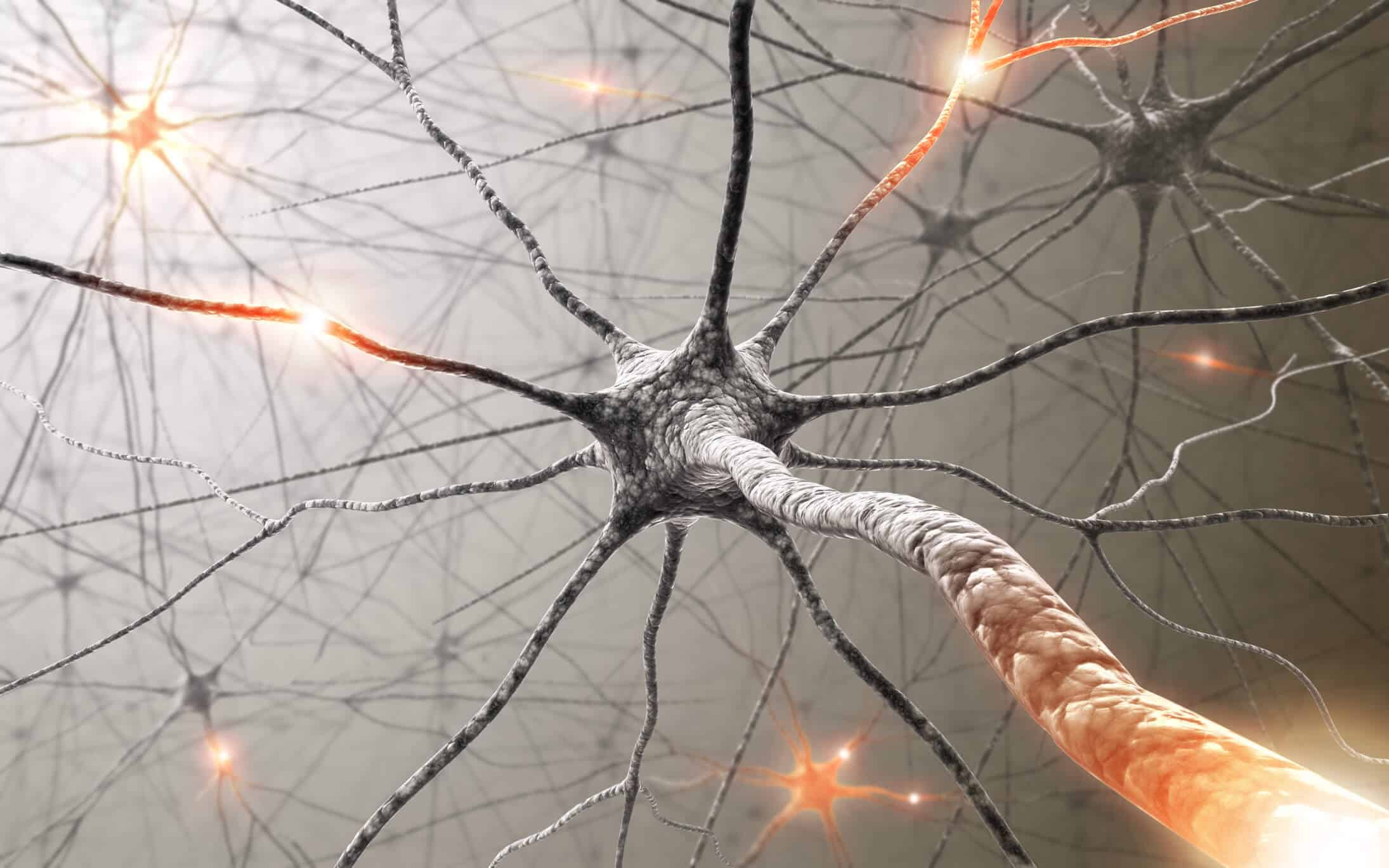
As a result, both somatic (motor and sensory) and autonomic (regulating vascular tone and tissue nourishment) nerve fibers in the skin and internal organs are affected and perish. The process has a widespread and diffuse nature, which is why it is named polyneuropathy (poly-many, neuropathy - pathology of nerves).
The problem is quite common: polyneuropathy affects between 2.4% to 8% of the population, and the incidence increases with age. Unfortunately, if the condition is not addressed and timely comprehensive treatment is not initiated, nerve fibers die. The result can include trophic ulcers, pain, loss of sensitivity, and disability.
Causes
The prevalence of polyneuropathy is explained by the fact that its manifestations arise due to the influence of various, sometimes not entirely obvious, factors, both internal and external. The main causes of polyneuropathies include:
-
Diabetes mellitus - high levels of glucose lead to the destruction of small capillaries, nerves do not receive the necessary nutrition, and they die.
-
Poisoning, especially with heavy metal salts (lead, mercury, cadmium, etc.).
-
Infectious processes (botulism, diphtheria, HIV, Lyme disease).
-
Autoimmune pathology (rheumatoid arthritis, polyarteritis nodosa).
-
Inflammatory processes affecting nerve tissue (Guillain-Barré syndrome).
-
Post-vaccination reactions in the body.
-
Chronic vitamin deficiency (B-group vitamin deficiency).
-
Compression of large nerve bundles
-
Use of certain medications (some antibiotics, hypotensive medications).
-
Genetic, hereditary anomalies (usually enzymopathies).
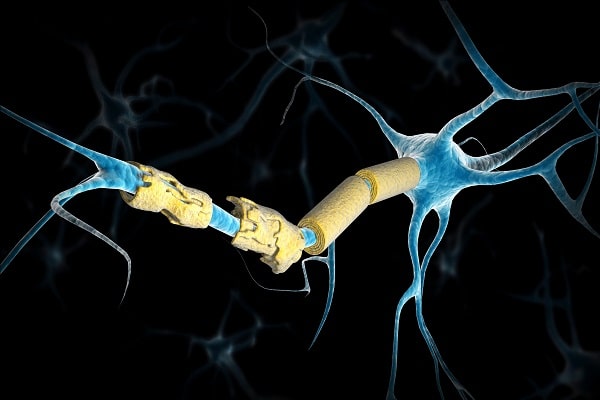
Indeed, chronic alcoholism is a common cause of polyneuropathy. In this case, the main role is attributed to inadequate nutrition: alcoholics often do not receive the necessary vitamins for their nerves, leading to the degeneration of peripheral nerve endings.
Symptoms
Typically, all three types of nerve fibers (sensory, motor, and autonomic) are affected by the process. The symptoms depend on where and in which part of the body this is happening.
Suspicion of a diagnosis of polyneuropathy arises from such symptoms:
-
A sensation of tingling, numbness, as if the hand or leg had "fallen asleep."
-
Pain syndrome in a specific area of the body without apparent reasons.
-
Weakness in the muscles of the limbs, neck, and back.
-
The feeling of coldness, freezing in the legs and fingers.
-
Thinning and hair loss on the lower (more often) or upper extremities.
-
The skin becomes dry in some areas and may become paler.
-
Even minor skin damage takes a long time to heal.
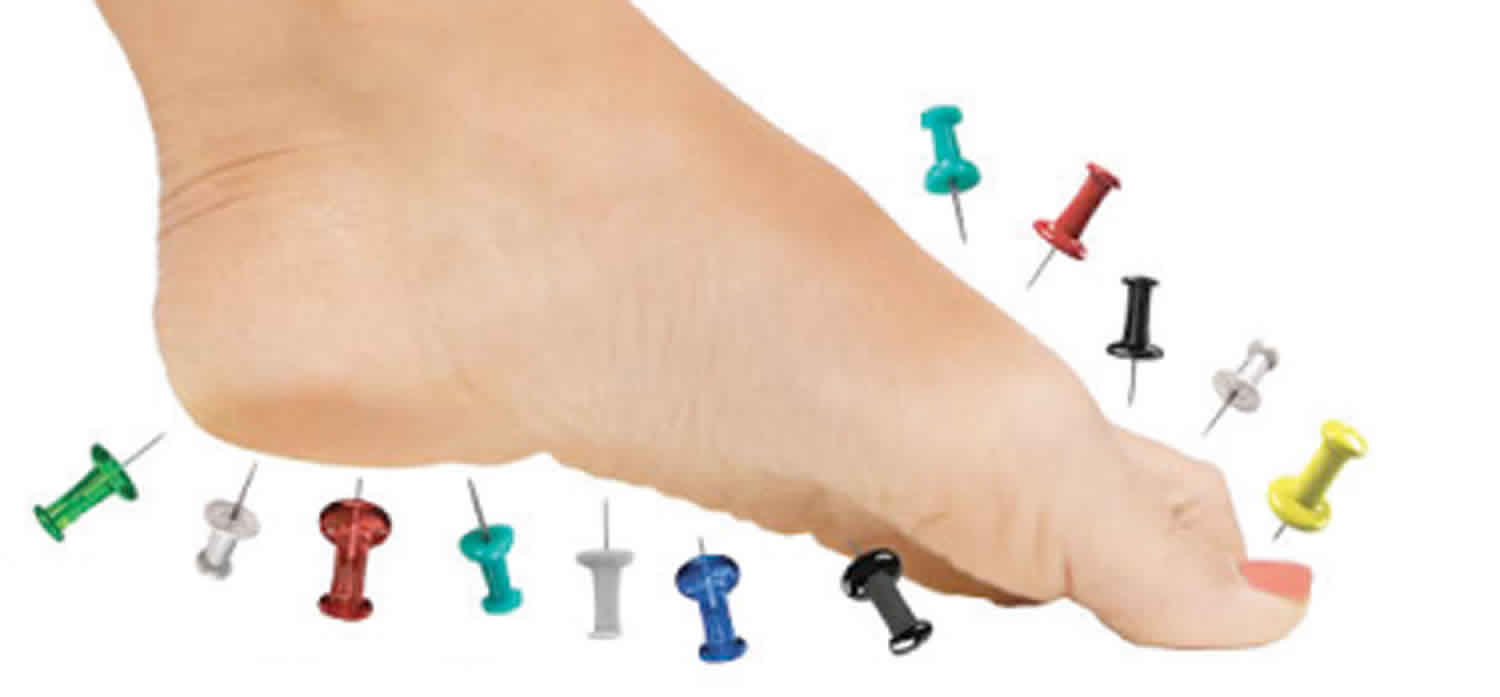
In advanced stages, deep ulcers that take a long time to heal can develop, which is characteristic of simultaneous damage to both nerves and small blood vessels.
Polyneuropathy is often symmetrical, meaning that both hands or legs are affected. However, in some cases, the symptoms can be unilateral.
Another important clinical parameter is the rate of symptom progression. In cases of acute damage, polyneuropathy symptoms can progress rapidly over a matter of days or weeks. In most people, however, the development of symptoms is slow, gradual, and less noticeable.
We advise everyone to pay attention to the mentioned signs, especially if they appear in a child or in a person with diabetes. Even one of these symptoms is a reason to seek medical help immediately.
Diagnosis
Even for an experienced doctor, diagnosing polyneuropathy is not always straightforward, especially when the process is just beginning. However, it is crucial to detect the pathology at such moments, initiate treatment for its underlying cause, and save the nerve endings.
For the purpose of diagnosing polyneuropathy, the following steps are taken:
-
Thorough medical history and examination.
-
Testing of skin sensitivity and tendon reflexes.
-
General and biochemical blood tests, including electrolytes.
-
Coagulogram (blood clotting profile).
-
Kidney function assessment.
-
Determination of vitamin B group levels in the blood.
-
Checking blood glucose levels and urine.
-
Evoked potentials.
-
Electroneuromyography.
-
CT and MRI scans.
These diagnostic measures help in evaluating the extent of nerve damage and identifying the underlying causes of polyneuropathy, which can vary from infections and autoimmune diseases to metabolic disorders and toxin exposure. Once a diagnosis is confirmed, appropriate treatment can be initiated to manage the condition effectively.
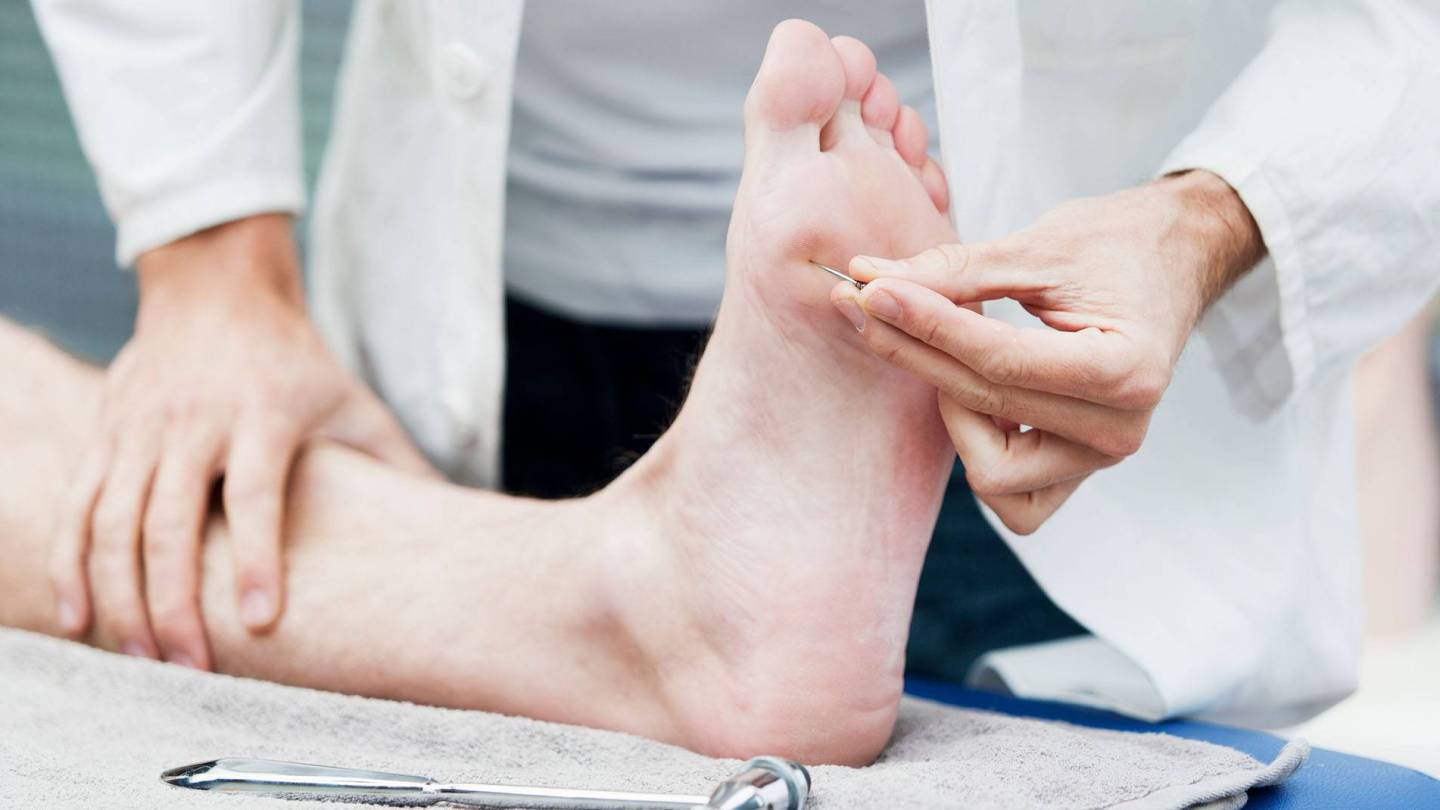
Neurologist at LuxMedic Clinic develops a diagnostic algorithm for each patient individually. If necessary, we involve other specialists for consultations, such as endocrinologists and ophthalmologists. Thanks to comprehensive diagnostics, we determine whether a person indeed has polyneuropathy, and we tailor the treatment to address both the underlying cause of the condition and to save nerve fibers.
Treatment
The treatment is highly individualized and depends on the severity of polyneuropathy, its underlying cause, and the timeliness of seeking medical care. Therapy needs to be comprehensive, step-by-step, with the doctor closely monitoring the dynamics of the nervous system's condition.
Various medications and techniques are used for the treatment of different variants of polyneuropathy, including:
-
Vitamin therapy, including B-group vitamins and alpha-lipoic acid preparations.
-
Detoxication.
-
Antibiotics and antifungal agents.
-
Immunological agents.
-
Anti-inflammatory, non-steroidal, and hormonal medications.
-
Analgetics.
-
Antioxidant agents.
-
Agents to improve peripheral blood circulation.
-
Neuroleptics and antiepileptic drugs.
-
Medications that accelerate wound healing and improve reparative processes.
-
Physiotherapy techniques and massages.
-
Sometimes, cytostatics are required for treatment.
The choice of treatment options depends on the specific type of polyneuropathy and its underlying causes, and it should be determined by a healthcare professional based on a thorough assessment of the individual's condition.
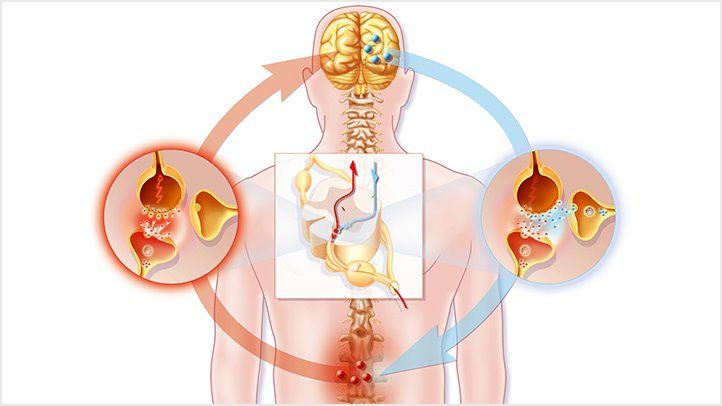
The challenge often lies in the fact that the effects of treatment may not be immediate, and medications may need to be taken for several weeks. After completing the course of therapy, additional physiotherapy sessions are often necessary to consolidate the results.
Prevention of the disease
It is impossible to guarantee protection against all types of polyneuropathy, as there are genetically inherited forms of the disease that can manifest themselves at any moment, whether after stress, infection, or spontaneously. Fortunately, such types of pathology are rare, which means that in most cases, the disease can be prevented.
To prevent polyneuropathy, it is recommended to:
-
Maintain a full and balanced diet to avoid vitamin deficiencies.
-
Regularly monitor blood glucose levels, at least once a year for healthy individuals.
-
Avoid excessive alcohol consumption.
-
Treat underlying conditions (such as diabetes, osteochondrosis, and nerve root syndromes).
-
Engage in physical activity to maintain optimal muscle tone.
-
Avoid overheating and overcooling.
To prevent nerve damage, it is essential to monitor your well-being for the symptoms described above. If you have the slightest suspicion of pathology, seek help from a qualified specialist. The experience of doctors at LuxMedic Clinic and modern equipment are beneficial to all patients diagnosed with or suspected of having polyneuropathy. Treatment in Kyiv, Chernivtsi, Khmelnytsky, Uzhhorod, and all our branches is based on evidence-based medicine principles. If it is impossible to eliminate the cause of the pathology, we strive to maximize the quality of life for our patients.
Rehabilitation
Often, when people seek help in a timely manner, polyneuropathy can either completely resolve or leave minimal consequences.
To consolidate the results of therapy and achieve better recovery of peripheral nervous system function, individuals may require a rehabilitation course.
Rehabilitation can include various therapies and interventions aimed at improving muscle strength, mobility, and overall function. This may involve physiotherapy, occupational therapy, and exercises tailored to the individual's needs.
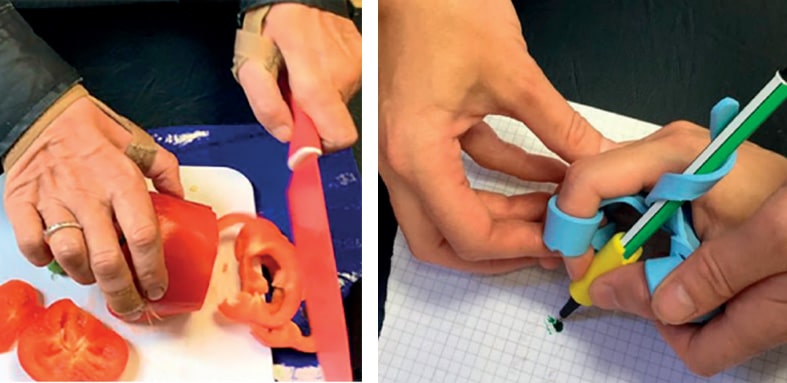
Rehabilitation plans for polyneuropathy are developed on an individual basis, taking into account the specific needs and circumstances of each patient.
-
Long-term maintenance treatment: Continued medication or therapy to manage symptoms and prevent relapses.
-
Ensuring adequate nutrition: A balanced diet with the necessary vitamins and nutrients to support nerve health and overall well-being.
-
Physiotherapy procedures: These may include laser therapy, medical electrotherapy (such as electrotherapy), and amplipulse therapy to improve muscle strength, circulation, and nerve function.
-
Massages and acupuncture sessions: These can help alleviate pain, improve circulation, and reduce muscle tension.
-
Physical therapy sessions: A customized exercise program to improve mobility, strength, and coordination. These exercises may be tailored to the specific needs and limitations of the individual.
Addressing underlying causes: Treatment for conditions like alcoholism, diabetes, or osteochondrosis, which may have contributed to or exacerbated the polyneuropathy.
Sources
- Mirian A et all. Diagnosis and management of patients with polyneuropathy. CMAJ. 2023 Feb 13;195(6):E227-E233. doi: 10.1503/cmaj.220936. PMID: 36781195; PMCID: PMC9928442.
- Gwathmey KG, Pearson KT. Diagnosis and management of sensory polyneuropathy. BMJ. 2019 May 8;365:l1108. doi: 10.1136/bmj.l1108. PMID: 31068323.
- Sommer C et all. Polyneuropathies. Dtsch Arztebl Int. 2018 Feb 9;115(6):83-90. doi: 10.3238/arztebl.2018.083. PMID: 29478436; PMCID: PMC5832891.
- Silsby M et all. Advances in diagnosis and management of distal sensory polyneuropathies. J Neurol Neurosurg Psychiatry. 2023 Mar 30:jnnp-2021-328489. doi: 10.1136/jnnp-2021-328489. Epub ahead of print. PMID: 36997315.
- Hamel JI, Logigian EL. Clinical Spectrum and Prognosis in Patients With Acute Nutritional Axonal Neuropathy. Neurology. 2023 Mar 27:10.1212/WNL.0000000000207215. doi: 10.1212/WNL.0000000000207215. Epub ahead of print. PMID: 36973043.
F. A. Q.
-
Impaired skin sensitivity, numbness in a specific area of the body, either on one side or symmetrically.
-
Muscle weakness in the arms, legs (on one or both sides), or in the muscles of the back and neck.
-
Hair loss from the affected area of the skin.
-
Sensation of coldness in the hands and feet, increased sensitivity to cold.
-
Dryness of the skin, paleness, and thinning.
-
Poor healing of even minor wounds, leading to inflammation.
-
Unsteady gait and balance problems.
Polyneuropathy can be caused by various factors and underlying conditions, including:
- Diabetes Mellitus: Diabetes can lead to polyneuropathy due to microcirculation disturbances and high blood sugar levels that damage nerves over time.
- Alcoholism: Excessive alcohol consumption can result in polyneuropathy due to nutritional deficiencies and the toxic effects of alcohol on nerve tissue.
- Genetic Abnormalities: Some genetic disorders can affect metabolism in tissues and lead to polyneuropathy.
- Autoimmune Diseases: Conditions like Guillain-Barré syndrome, lupus, or rheumatoid arthritis can trigger an autoimmune response that damages nerves.
- Tumors: In some cases, tumors can cause polyneuropathy as part of a paraneoplastic syndrome, where the body's immune response to cancer affects the nervous system.
- Genetic Predisposition: Some individuals may have a genetic predisposition to this condition, making them more susceptible.
-
Severe and Intractable Pain: The pain associated with polyneuropathy in the lower limbs can be intense and resistant to pain medications, leading to significant discomfort and reduced quality of life.
-
Loss of Sensation
-
Impaired Healing Processes
-
Increased Risk of Infection
-
Development of Large Wounds and Ulcers
-
Risk of Amputation
-
The first symptoms may be numbness, muscle weakness, tingling or pain in the affected parts of the skin;
-
Symptoms can develop slowly, over months and years, or quickly - over days, 1-2 weeks;
-
The faster the symptoms progress, the more serious the person's condition, and the sooner qualified medical help is needed.
