






Neuritis - it should be an inflammation of some nerve, logically. In reality, doctors call neuritis any pathological changes in nervous tissues (atrophy, traumatic), including inflammatory processes. Therefore, in modern medicine, this term is used interchangeably with another word: neuropathy.
The problem is indeed serious: it can develop in people of different ages due to various reasons. Neuritis significantly impairs the quality of life and is not always correctly diagnosed. Unfortunately, if treatment is delayed, the consequences of the process become virtually irreversible: the nerve, no matter what its function, loses its function and may die completely. Moreover, neuritis is not very willingly subjected to treatment, especially if it is difficult to find and eliminate its cause.
Causes
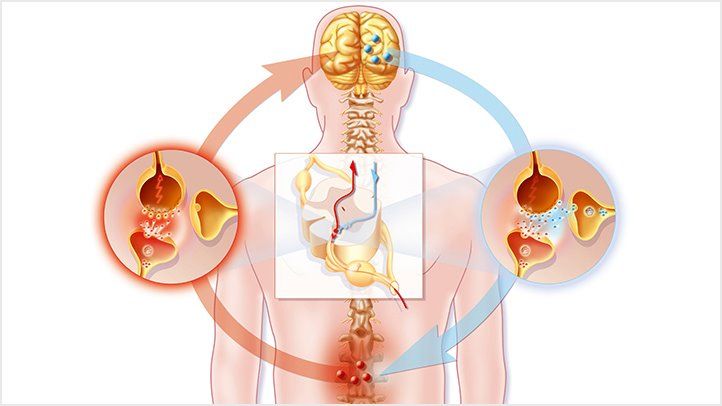
A bit of anatomy to better understand the essence of the condition: the entire human body is permeated with nerve branches that merge, forming large bundles, trunks, and plexuses. Through these channels, our brain and spinal cord collect information about what is happening around us and send commands to organs and muscles.
Under the influence of an external or internal factor, one of these nerves gets damaged. As a result, it transmits distorted or incomplete information to the brain. Conversely, due to damage to motor (efferent) bundles, the central nervous system loses control over a particular area of the body.
Common causes of neuritis include:
-
Physical trauma (damaging nerves in the limbs, pelvis, or spinal cord).
-
Working conditions (long uncomfortable positions of the body or limbs) (such as carpal tunnel syndrome, common in individuals who use a computer mouse excessively).
-
Intoxication (for example, rapid-onset optic neuritis due to methyl alcohol consumption).
-
Use of certain antibiotics (there are medications that can be toxic to the auditory nerve and may lead to cochlear neuritis and deafness).
-
Autoimmune diseases where the body's own antibodies attack nervous tissue (for example, multiple sclerosis).
-
Infections, especially herpes-virus infections. The virus can reside in nerve ganglia, and each outbreak of the disease is accompanied by inflammation of the trigeminal, facial, or other nerves.
-
Chronic conditions such as diabetes.
-
Exposure to extreme cold or heat.

In children, the cause of neuritis is birth trauma, congenital anomalies. They are not protected from the causes that lead to neuropathy in adults.
Here it is very important to pay attention to the symptoms of neuritis in time in order to seek qualified help while the nerve can still be saved.
Symptoms
Usually, a person can accurately pinpoint when their health problems began because for most neuritis conditions, the first and typical symptom is pain (neuralgia). However, there are often cases of slow, subtle progression of neuropathies. The symptoms always depend on the area of the body where the problem arises.
Typical symptoms of neuritis include:
-
Pain that either radiates along a specific pathway or is localized to one point.
-
The pain can be sharp or manifest as a burning or pulling sensation.
-
Disturbances in skin sensitivity (peripheral neuropathy in diabetes patients).
-
Loss of control over a particular part of the body.
-
Disrupted sweating in a specific area of the skin.
-
Vision loss in one or both eyes (optic neuritis).
-
Dizziness, unsteady gait, impaired coordination, and balance issues (vestibular disturbances).
-
Ringing or buzzing in the ears, in one or both ears, along with decreased hearing (cochlear neuritis).
-
A sudden increase in sensitivity in a certain part of the body (often, people with trigeminal neuritis seek dental care and have healthy teeth extracted).
These symptoms can vary depending on the type and location of the neuritis, making a proper diagnosis and treatment essential.
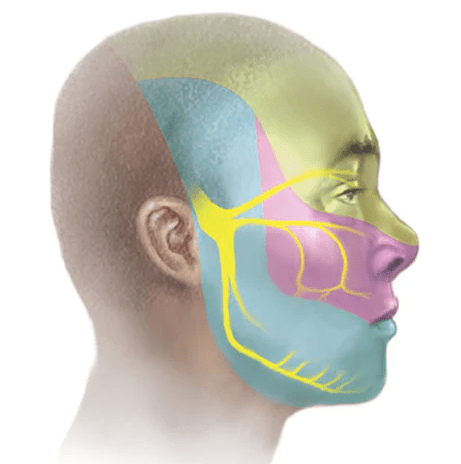
Each of the listed signs is a reason to immediately contact a specialist for consultation and treatment.
Diagnosis
Before beginning treatment for neuritis, it is essential to ensure the accuracy of the diagnosis. This requires the use of instrumental diagnostic methods. Depending on the localization of the pathological process, symptoms, and probable cause, the following diagnostic procedures are conducted for neuritis:
-
Thorough medical history and examination;
-
Functional neurological tests;
-
Fundus examination;
-
Hearing assessment;
-
Evoked potential testing;
-
CT and MRI of affected body areas;
-
Ultrasound of superficial nerve bundles;
-
Blood tests to detect autoimmune disorders;
-
It is also often necessary to prescribe electrophysiological methods of diagnosis (stimulation electroneuromyography).
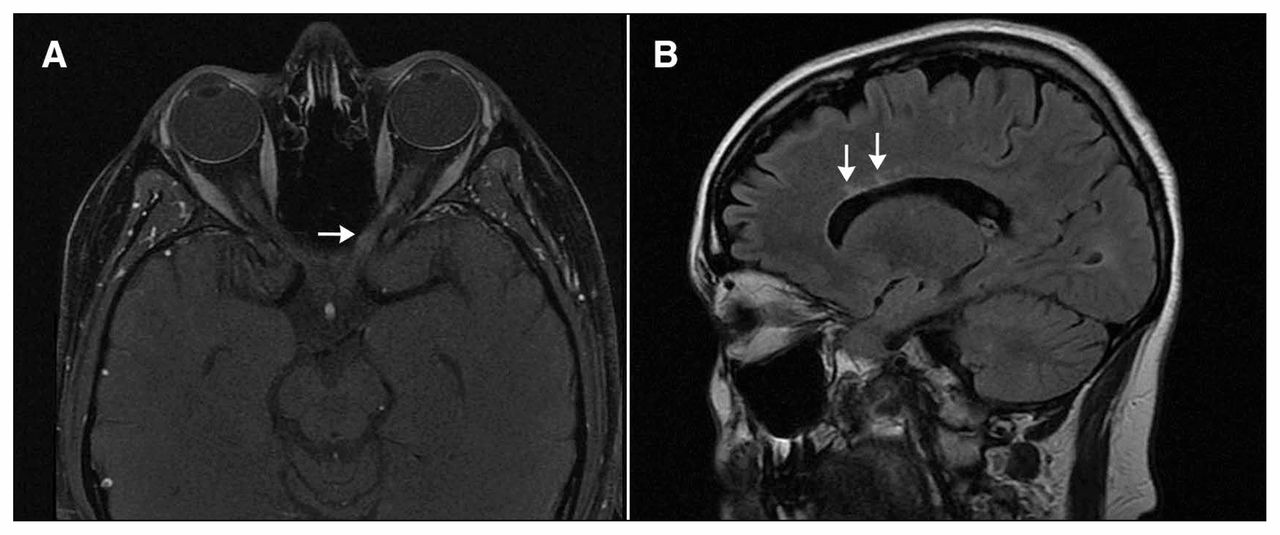
For each patient, the diagnostic algorithm is developed individually, depending on localization of the pathological zone. Universum clinic specialists conduct a complete examination, we find the cause of neuritis and form a treatment plan so that eliminate the damaging factor. And if it is impossible, then improve as much as possible well-being of a person, to restore the quality of life.
Treatment
The methods for treating neuritis depend on the underlying cause of the condition and the extent of nerve tissue damage. Various approaches may be used in different cases, including:
-
Non-steroidal anti-inflammatory drugs and steroids;
-
Medications that improve blood circulation in tissues;
-
Metabolism enhancers and neuroprotective agents;
-
Monitoring and normalization of blood glucose levels;
-
Antiviral medications;
-
Adequate pain management;
-
Massage;
-
Physical therapy;
-
Acupuncture;
-
Laser therapy, electrophoresis, and other physiotherapeutic procedures;
-
In some cases, surgical intervention may be required (neurolysis, nerve release from compression, adhesions).
The effectiveness of treatment depends on various factors, including the extent of nerve damage, the underlying cause, and the timeliness of treatment. For instance, in the case of herpetic neuritis, symptoms involving the facial nerve may resolve within 7-10 days, while inflammation of the brachial plexus may persist for several weeks.
Unfortunately, there are situations when it is impossible to completely cure, for example - cochleoneuritis due to the use of aminoglycosides or blindness after the use of methanol. Therefore, you should try to avoid factors that may require treatment.
Prevention of the Disease
There are no universal methods to protect against neuropathy. However, there are steps that can be taken to reduce the risk of developing the condition:
- Avoid injuries and use protective gear at work or during activities such as cycling.
- Monitor blood glucose levels, especially for individuals with a family history of diabetes.
- Get screened for herpes infection carriage and undergo preventive courses when necessary.
- Avoid the risk of poisoning, do not consume suspicious beverages, and protect the respiratory organs and skin when working with harmful substances.
- Maintain a healthy and active lifestyle to support a normal immune system.
- Dress appropriately for the season and avoid overheating or excessive exposure to cold.
- Healing chronic infection sources can indeed help reduce the risk of autoimmune processes.
It's essential to pay attention to your well-being. If you experience pain or sensory disturbances in any part of your body without apparent reasons, it's a reason to seek medical advice as soon as possible.
LuxMedic Clinic offers neuritis treatment in various locations, including Kyiv, Chernivtsi, Uzhgorod, Lviv, and Khmelnytskyi, at all of its branches. Importantly, the sooner a person begins to receive qualified therapy, the greater the chances of fully recovering from the severe consequences of neuritis.
Rehabilitation
Rehabilitation is necessary in cases of extensive or advanced processes when the nervous tissue has been severely damaged and is unable to perform its function. It is essential to provide assistance to relieve a person from pain and regain control over their muscles, etc.
A rehabilitation plan is developed individually for each patient.
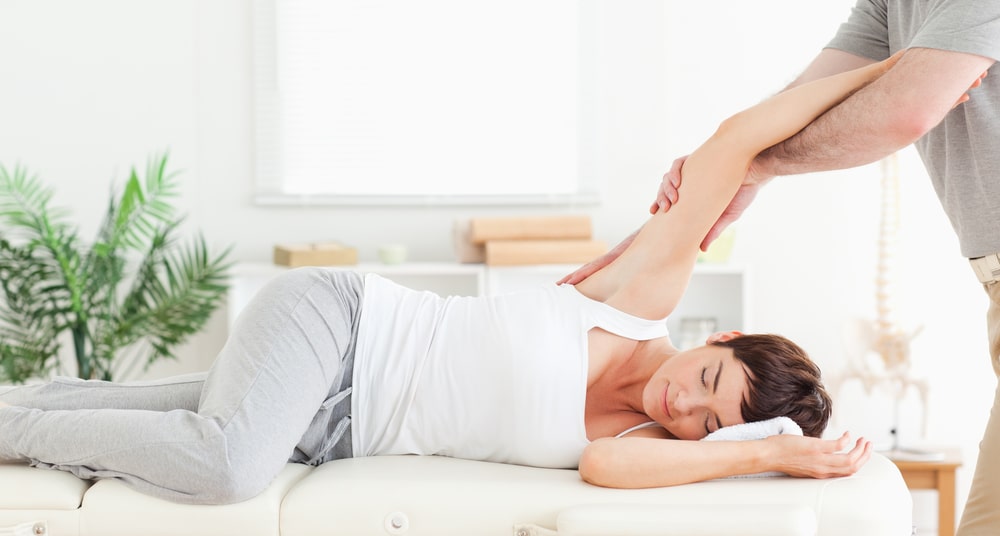
The course may include:
-
Massage sessions
-
Courses of physiotherapy procedures
-
Supportive therapy (course composition determined by the doctor)
-
Special therapeutic exercises
-
Balanced and vitamin-rich nutrition
-
Workspace organization
For each LuxMedic Clinic patient, the rehabilitation course is individually tailored. Our experts take into account the causes of the pathology, the effects of previous neuritis treatment, the risk of recurrence, and other significant factors. Thanks to this approach, we typically achieve success where possible.
Sources
- Smith T, Rider J, Cen S, Borger J. Vestibular Neuronitis. 2023 Mar 11. In: StatPearls [Internet]. Treasure Island (FL): StatPearls Publishing; 2023 Jan–. PMID: 31751056.
- Huang-Link Y et all. The Importance of Optical Coherence Tomography in the Diagnosis of Atypical or Subclinical Optic Neuritis: A Case Series Study. J Clin Med. 2023 Feb 7;12(4):1309. doi: 10.3390/jcm12041309. PMID: 36835847; PMCID: PMC9961647.
- Wright JO et all. Shoulder Pain and Dysfunction After Vaccination: A Systematic Review. JBJS Rev. 2023 Jan 12;11(1). doi: 10.2106/JBJS.RVW.22.00134. PMID: 36722836.
- McCarty EC, Tsairis P, Warren RF. Brachial neuritis. Clin Orthop Relat Res. 1999 Nov;(368):37-43. PMID: 10613151.
- Hossain D. Management of chronic neuritis with a combination regimen of lower doses prednisolone and methotrexate: a brief report. Lepr Rev. 2016 Mar;87(1):118-21. PMID: 27255067.
F. A. Q.
Symptoms of neuritis can vary depending on the location of the inflammation. Here are some common symptoms associated with neuritis:
-
Symptoms depend on the site of the inflammation.
-
Retrobulbar neuritis may lead to flashes in the eyes and worsened vision.
-
Cochlear neuritis can cause ringing or buzzing in the ears (tinnitus) and a decrease in hearing, possibly leading to complete deafness.
-
Pain can be localized in one area (trigger zone) or radiate along the arm or leg.
-
Weakness in the muscles of the limbs or neck.
-
Dizziness and balance problems.
-
Drooping of one side of the mouth, facial muscle paralysis on that side.
-
Tooth pain without dental issues.
-
Pricking sensations and sensory disturbances in the skin.
-
Take a pain reliever if the pain is very severe, and seek immediate medical attention at a clinic for examination and treatment.
-
During the rehabilitation phase, adhere to all the doctor's recommendations.
-
Persistent and uncorrectable pain syndrome, sometimes extremely severe.
-
Loss of control over muscles due to the damage to motor nerve fibers (such as facial nerve paralysis, often a complication of herpes infection).
-
Loss of sensitivity in the innervation area of the affected nerve bundle.
-
Disability, irreversible blindness, deafness, and the inability to perform self-care.
-
The primary specialist is a neurologist.
-
If necessary, patients may also be consulted by an endocrinologist, an ENT (ear, nose, and throat) specialist, or a surgeon, depending on the symptoms and severity of the condition.
-
During the rehabilitation phase, a rehabilitation specialist and a physiotherapist may be involved.
