






A stroke is an acute disruption of cerebral blood circulation (CBC). It`s an extremely dangerous condition that requires urgent medical care. It can occur in two ways: a brain infarction (thrombosis of a vessel supplying nerve tissue) or a hemorrhage into the substance of the brain (hemorrhagic stroke).

Both options pose a threat to human life but need to be treated differently. It is extremely important that a man or woman with a stroke receives qualified medical assistance as early as possible, in the first minutes or hours.
Reasons
A stroke is considered a vascular catastrophe and unfortunately, it is very common: in Ukraine, more than 100,000 people face this diagnosis every year. It should be noted that in recent decades this pathology has affected the younger population, among the patients there are people who have not even reached the age of 30.
Brain infarction occurs 4-5 times more often than hemorrhage. This peculiarity can be explained by various reasons causing disorders of cerebral hemodynamics.
Moreover, some of the risk factors can be detected in time in order to protect oneself against the catastrophe. Consultation with a UNIVERSUM.CLINIC doctor during a visit to the clinic or online will help with this.
Causes of ischemic stroke
Synonym - cerebral infarction. Acute disruption of cerebral blood circulation occurs due to the cessation of blood flow through the arteries that feed one or another part of the central nervous system.
Common causes of ischemic stroke:
-
atherosclerosis, when a plaque clogs the lumen of a vessel;
-
atrial fibrillation, known to be dangerous due to the formation of blood clots in the atria;
-
thrombophlebitis of deep and subcutaneous veins;
-
chronic stress;
-
excessive function of the blood coagulation system (hypercoagulation);
-
diabetes mellitus (causes microcirculation disorders);
-
abuse of drugs that cause spasms of blood vessels (they are part of popular remedies for ARVI symptoms);
-
osteochondrosis of the cervical spine, due to which the blood flow through the vertebral arteries suffers.
Causes of hemorrhagic stroke
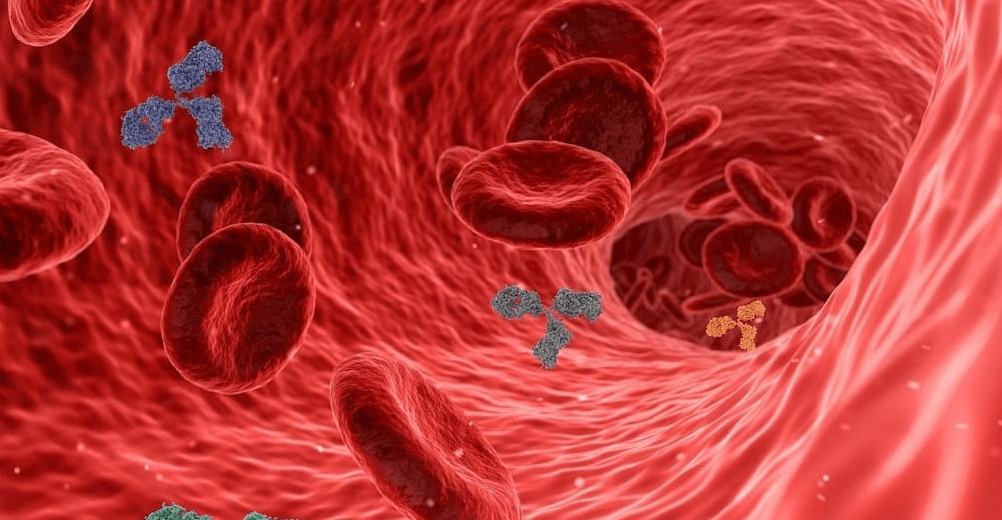
The mechanism of development of this pathology is different: rupture of a cerebral vessel and hemorrhage into the brain tissue (apoplexy).
Common reasons that increase the risk of developing a hemorrhagic stroke:
-
uncontrolled arterial hypertension (hypertension);
-
congenital and acquired aneurysms of cerebral arteries;
-
head injuries, even without skin damage;
-
atherosclerosis, as plaque makes vessels fragile, inelastic;
-
acute stress;
-
systemic diseases, vasculitis;
-
hematological diseases;
-
insufficiency of the blood coagulation system (hypocoagulation).
Symptoms
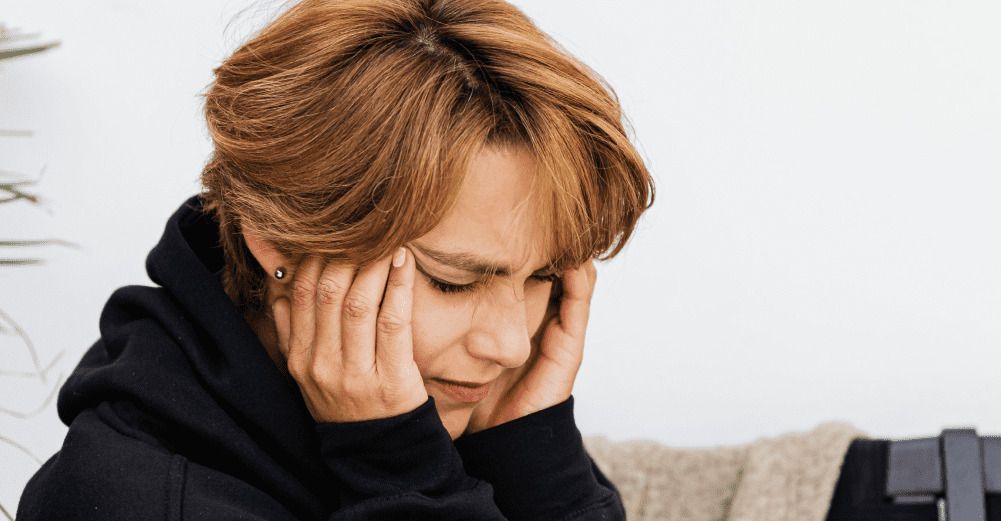
The clinical manifestations of the two types of acute stroke are very different. The ischemic type, as a rule, proceeds without pain, and therefore it is often diagnosed late. With a hemorrhagic episode, on the contrary, a headache is a characteristic symptom.
There are differences in the clinical course of two different cerebral catastrophes.
Symptoms of an ischemic stroke:
-
speech disorder, inability to pronounce some letters;
-
asymmetry of the face, eye slits, corners of the mouth;
-
dizziness, unsteady gait;
-
problems with swallowing, the person chokes on food, water;
-
loss of control over an arm, leg, the whole half of the body;
-
loss of sensitivity in the skin of the limbs, trunk;
-
a strong drop or, on the contrary, a sharp increase in blood pressure;
-
disorientation, the person cannot tell where he is, what time it is;
-
clouding of consciousness from slight stupor and drowsiness to coma.
When a person has an ischemic stroke, symptoms often develop gradually. It is important to notice them on time and provide the person with qualified neurological assistance.
Symptoms of a hemorrhagic stroke are characterized by a rapid, sometimes instantaneous progression and are more severe:
-
nausea, uncontrollable vomiting;
-
a person may have different pupil diameters;
-
the speech is often slurred, devoid of meaning;
-
If the speech is preserved, the patient may report that he has a severe headache;
-
there is no control over the limbs;
-
convulsions are possible;
-
involuntary urination, defecation occurs;
-
in the first seconds or minutes, consciousness is disturbed, a lightning-like cerebral coma may develop.
In the case of a brain infarction, the patient must be taken to the clinic for examination and treatment within 40-60 minutes. This is a therapeutic window, timely help allows you to count on the complete restoration of higher nervous activity.
With hemorrhage, there is no such window. Emergency hospitalization, examination and treatment is necessary. A person's life depends on the speed of assistance.
Diagnostics
There is a peculiarity: when a person has an ischemic stroke, he/she may not be aware of the symptoms. It is more important to get oriented quickly and take the patient to the clinic, where an experienced neurologist will recognize the characteristic clinical picture in minutes.
This allows you to save time, vitally necessary for the patient.
The list of required examinations includes:
-
neurological examination with assessment according to the Glasgow scale and other methods;
-
blood glucose level analysis;
-
blood pressure measurement on both arms;
-
assessment of reflexes, pupil reactions to light;
-
determining the ability of a person to control the body;
-
checking skin sensitivity;
-
coagulogram;
-
multichannel electrocardiography;
-
Ultrasound of vessels of the neck and brain in the Doppler mode;
-
CT scan of the brain with contrast, angiography to identify the site of vessel blockage;
-
if necessary - MRI.
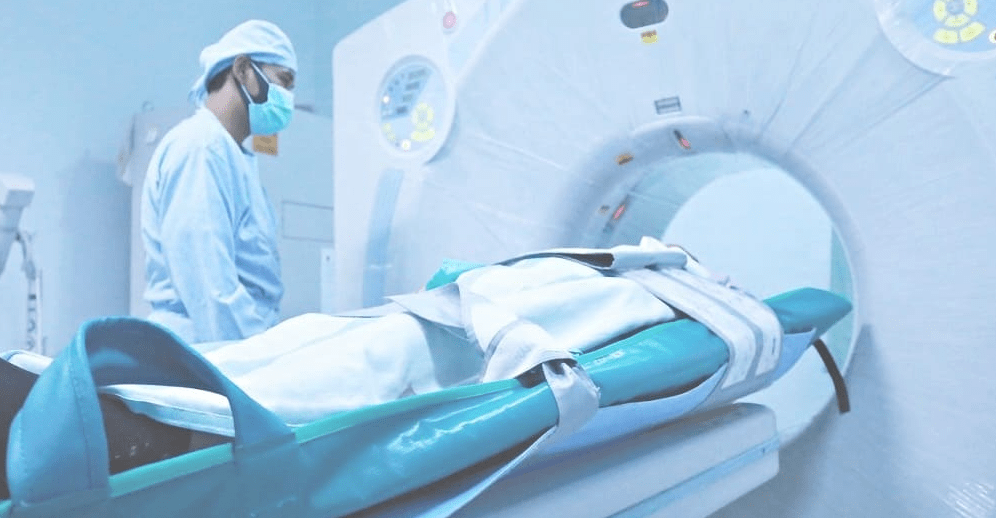
Depending on the type of stroke and the patient's condition, the list of examinations required for a patient may change. The main thing here is to quickly find out the extent of the pathology and start measures for emergency therapy.
Treatment
The treatment algorithm depends on the type of stroke. In the hemorrhagic variant, it is necessary to quickly eliminate the blood, which squeezes the nerve tissues. In the event of a brain infarction, restore normal blood supply to the affected part as soon as possible.
Treatment of ischemic stroke
Therapeutic measures should be started within the first hour from the beginning of the episode. In this case, an ischemic stroke, the treatment of which is carried out according to modern protocols, does not lead to the death of neurons. Therefore, the risks for the patient are reduced.
For the treatment of cerebral infarction, the following are used:
-
antiplatelet agents;
-
antispasmodics;
-
anticoagulants;
-
thrombolytics;
-
statins;
-
anti-edema drugs;
-
neuroprotectors;
-
antihypertensive therapy.
The best effect is seen with rapid administration of thrombolytics. These are drugs that dissolve blood clots blocking a vessel. However, their use requires personal experience and careful medical control of the blood coagulation system.
Treatment of a hemorrhagic stroke
A hemorrhagic stroke is extremely dangerous. For the treatment of such patients, the following are used:
-
oxygen support;
-
controlled hypotension;
-
anti-edema therapy;
-
blood glucose control;
-
neuroprotectors;
-
anti-inflammatory agents;
-
anticonvulsant;
-
thoughtful infusion therapy.
In some cases, a consultation with a neurosurgeon is indicated to remove a clot that has formed after a hemorrhage.
Prevention
It is possible to reduce the probability of a brain infarction or hemorrhage if you avoid the causes.
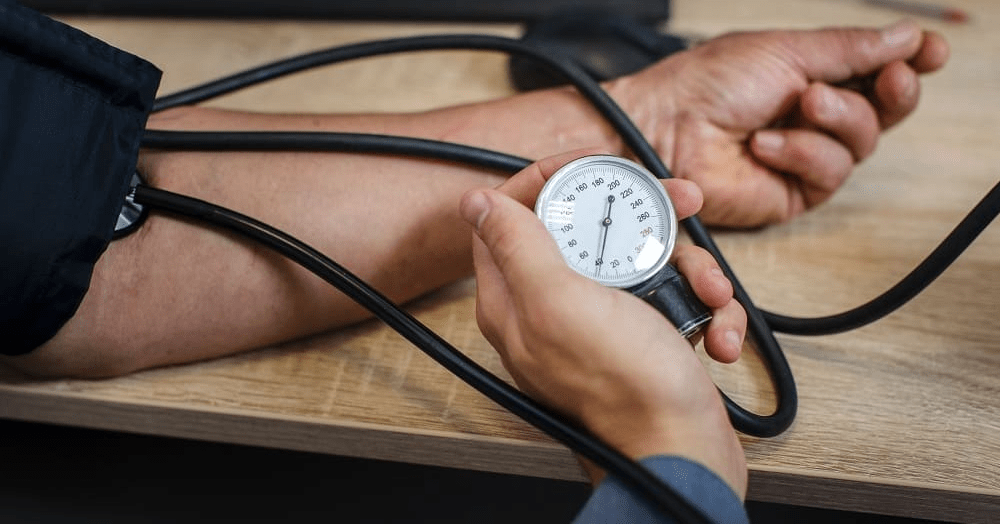
Stroke prevention includes:
-
blood pressure control;
-
giving up bad habits;
-
use of statins in case of elevated cholesterol levels;
-
control of blood glucose level in diabetics;
-
maintenance of optimal body weight
-
moderate physical activity, walking one hour a day;
-
identification and treatment of diseases leading to coagulation disorders.
Some risk factors are difficult to identify. For example – aneurysms of cerebral arteries. Atherosclerosis also occurs silently. Those whose relatives have had a hemorrhagic or ischemic stroke should be especially careful about their health.
A medical examination is required to rule out risk factors for stroke. Contact UNIVERSUM.CLINIC for a preliminary online consultation. Our specialists will help determine whether a specific person needs a preventive examination and what indicators need to be checked.
Rehabilitation
If qualified help is provided during the "golden hour", the patient has a good chance of completely overcoming the stroke, the consequences will be minimal.
In the case of late help, the death of cells in the brain leads to a neurological deficit:
-
violation of things;
-
loss of control over limbs;
-
complete paralysis;
-
cognitive disorders;
-
tremor, parkinsonism.
Such patients need a rehabilitation program. A UNIVERSUM.CLINIC neurologist will help create an effective rehabilitation program for each patient. Taking into account the type of stroke, age and degree of neurological deficit. If this is neglected, a person may remain profoundly disabled.
Literature
-
Наказ МОЗ України від 03.08.2012 № 602 “ Про затвердження та впровадження медико-технологічних документів зі стандартизації медичної допомоги при ішемічному інсульті”.
-
Наказ МОЗ України від 17.04.2014 № 275 “Про затвердження та впровадження медико-технологічних документів зі стандартизації медичної допомоги при геморагічному інсульті”.
-
Tadi P, Lui F. Acute Stroke. [Updated 2023 Feb 28]. In: StatPearls [Internet]. Treasure Island (FL): StatPearls Publishing; 2023 Jan-. Available from: https://www.ncbi.nlm.nih.gov/books/NBK535369/
-
Murphy SJ, Werring DJ. Stroke: causes and clinical features. Medicine (Abingdon). 2020 Sep;48(9):561-566. doi: 10.1016/j.mpmed.2020.06.002. Epub 2020 Aug 6. PMID: 32837228; PMCID: PMC7409792.
-
Good DC. Cerebrovascular Disease. In: Walker HK, Hall WD, Hurst JW, editors. Clinical Methods: The History, Physical, and Laboratory Examinations. 3rd edition. Boston: Butterworths; 1990. Chapter 55. Available from: https://www.ncbi.nlm.nih.gov/books/NBK378/
F. A. Q.
-
there is an acute violation of cerebral circulation, tissue ischemia or hemorrhage (hemorrhagic variant);
-
control over the muscles of the body is impaired, speech changes or is lost;
-
loss of consciousness and coma may occur;
-
if help is not provided on time, parts of the brain die and a neurological deficit remains;
-
unfortunately, the pathology can lead to death.
-
hemorrhagic – rupture of a cerebral vessel and hemorrhage into the brain;
-
ischemic – thrombosis of an artery, oxygen stops flowing to the cells in some part of the brain.
-
both variants of vascular catastrophe are dangerous for human life;
-
it is vitally important to provide the patient with fully qualified assistance on time.
-
How long does one stay in the hospital with a stroke?
-
the duration of hospitalization depends on the severity of the pathology and the timeliness of the medical care provided;
-
on average, a hospital stay is needed for up to 21 days in the case of a mild form of pathology and up to 30 days in the case of severe impairment of vital functions, severe neurological deficit.
-
establish the type of pathology;
-
carry out rapid diagnostics using instrumental methods (ultrasound, CT, MRI);
-
support vital body functions;
-
conduct pathogenetic and symptomatic treatment;
-
from the first days after the acute period, rehabilitation begins to restore social and physiological functions.
