




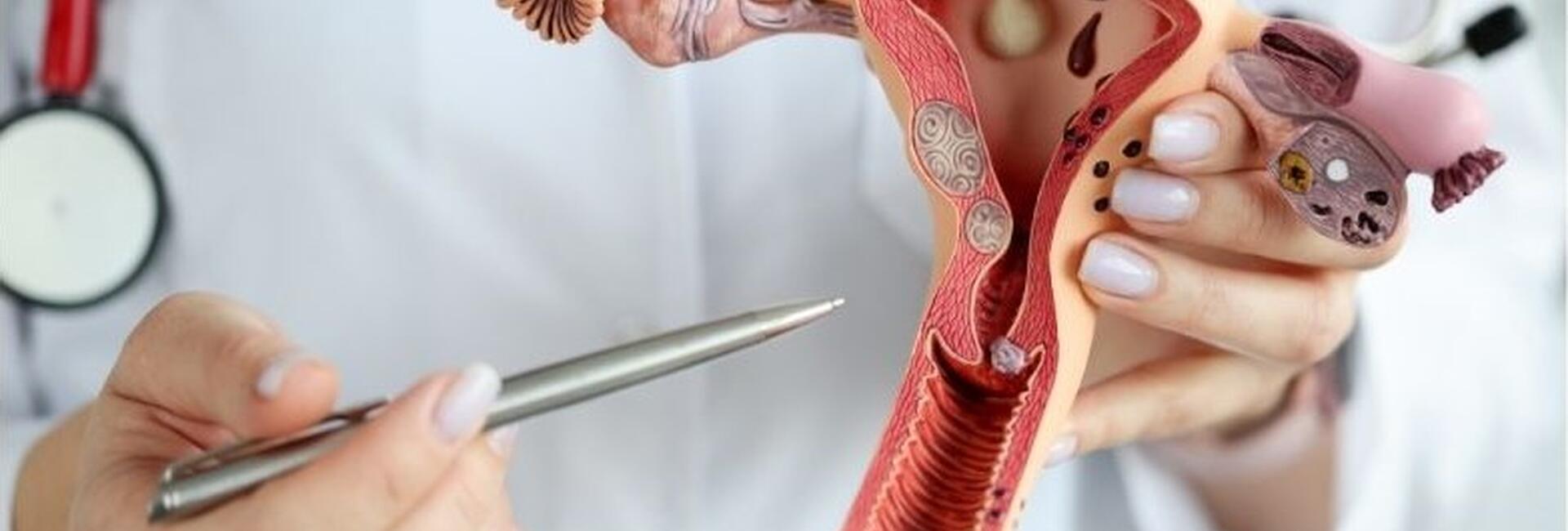


Among gynecological diseases, polyps of the cervical canal and uterine body are not so common. The reason is in the long latent period, because of which the pathology belongs to background diseases and does not attract the attention of patients for a long time.
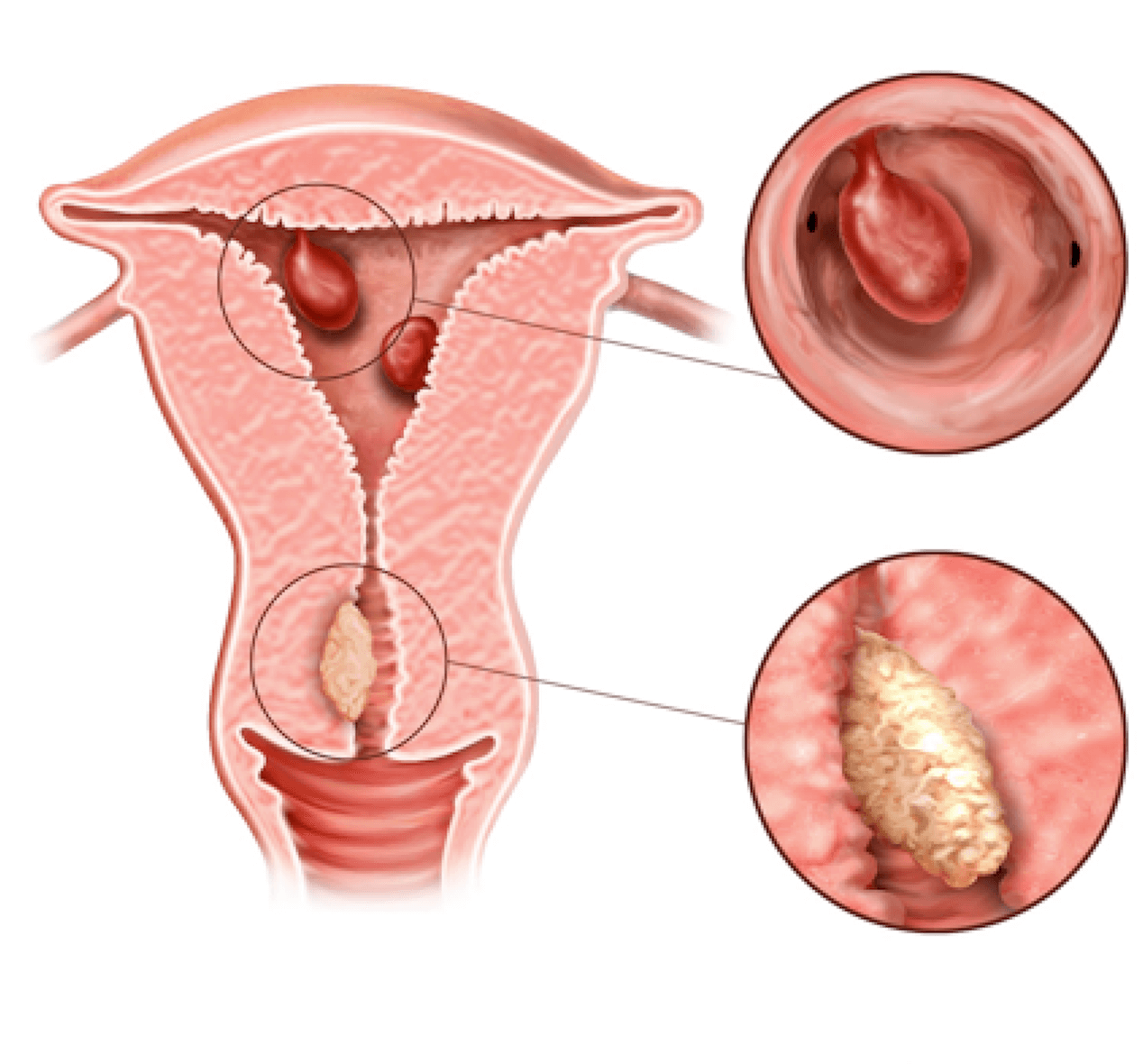
At the same time, removal of uterine polyps is considered a common gynecological procedure. That is, when a woman comes for a gynecological examination, the probability of finding pathological growths, whether they should be removed depends on how they affect reproductive health.
What is a uterine polyp?
In essence, polyps are abnormal growths of the tissues of the cervix or body of the uterus. They are initially benign formations in the form of villi or nodules that grow above the adjacent tissues.
The size of polyps ranges from a millimeter to 5-8 cm. They are on the stem, stem, can be single and multiple (polyposis). Present a risk of abnormal uterine bleeding, up to 40% of which are caused by polyps.
The danger is that benign nodules can transform into endometrial or cervical cancer, which is why some formations are recommended to be removed.
Risk factors
What causes polyps and how often they occur is still not exactly known. What is known is that the risk of the disease is higher in these situations:
obesity, diabetes mellitus;
-
imbalance of sex hormones (excess estrogen, deficiency of their antagonists);
-
age over 35, menopause;
-
high blood pressure;
-
polycystic ovary syndrome (PCOS);
-
irregular sex life;
-
late pregnancy (after 30 years of age).

We recommend that women from the risk group have an annual consultation with a gynecologist, even if their gynecological health does not seem to be a cause for concern. The examination helps our gynecologists to detect pathology and develop treatment methods for uterine polyps and cervical polyps.
Symptoms of uterine polyps
The process can go for a long time without symptoms: a small nodule does not cause discomfort or inconvenience and can be detected during a preventive examination at the gynecologist.
However, there are situations when overgrowths cause concern. Doctors of Universum clinic recommend to come to an appointment if a woman has:
-
bloody discharge outside the cycle;
-
prolonged, heavy periods;
-
bleeding of a larger than usual volume;
-
hemorrhage after sexual intercourse;
-
dyspareunia - discomfort from intimate contact;
-
mucous discharge from the genital tract;
-
problems with conception and carrying a pregnancy.
As a rule, women with symptoms of abnormal uterine bleeding seek help at the Lux-Medic Clinic. But we remind you that overgrowths are asymptomatic for a long time and can be detected only during gynecological examination.
Diagnosis of uterine polyps
In order to establish an accurate diagnosis, the doctor needs experience and the clinic needs serious diagnostic capabilities. Tumors, haemangiomas, papillomavirus infection and some other pathologies can manifest themselves in a similar way.
For accurate diagnosis, LuxMedic Clinic uses:
-
questioning and clarification of concomitant diseases, risk factors;
-
a thorough gynecological examination using a colposcope;
-
smears and biopsies for cytological examination;
-
X-ray techniques, CT scan;
-
Ultrasound of the pelvic organs in the Doppler mode, using a transvaginal transducer;
-
visual examination of the cervix, cervical canal and uterine cavity with a hysteroscope.
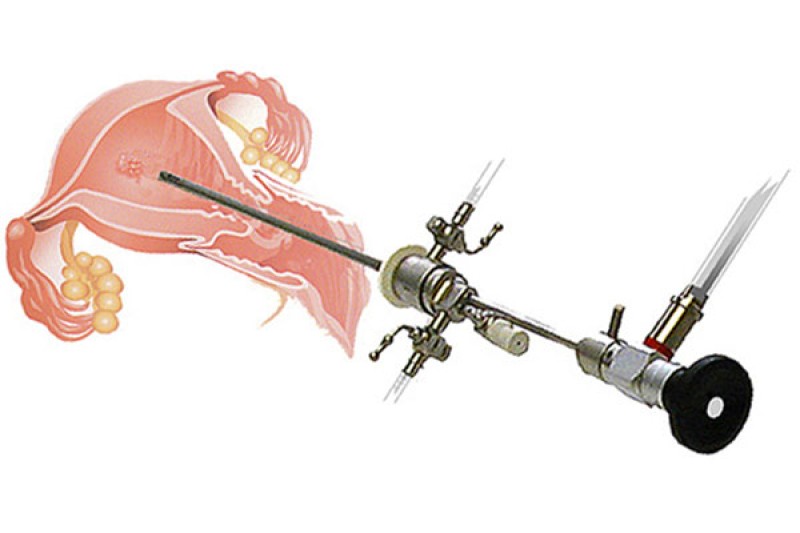
Modern methods give doctors at the clinic a complete picture of the growths: size, number, location and risk of degeneration into cancer.
Indications and contraindications for polypectomy
According to the results of diagnosis, a decision is made on how to proceed. For example, if a woman intends to get pregnant and give birth, then the removal of polyps in the cervix or in the cavity of the organ will be appropriate. At the same time, fibrous overgrowths that do not affect the hormonal background, you can try to treat pills, lifestyle correction.
It is indicated to remove polyps in such cases:
-
the process is progressing, increasing the size of the neoplasm;
-
there is a risk of degeneration of a benign node in a malignant tumor;
-
previously undertaken conservative treatment was not effective;
-
the patient is over 40 years old;
-
the process interferes with the normal function of the reproductive system - prevents pregnancy, causes abnormal uterine bleeding, and affects the hormonal factor.
Contraindications to removal of cervical and uterine polyps:
-
Active infection of the female genital organs;
-
gross damage to the cervix (scars, deformation);
-
severe general health (hypertension, uncompensated diabetes mellitus, problems with the blood coagulation system);
-
active bleeding from the reproductive system, menstruation;
-
suspicion of a malignant process in the uterus, which requires another operation - hysterectomy.
The doctor of the Universum clinic assesses the indications and contraindications to surgery for each woman individually. If possible, we remove obstacles to the operation: normalize blood pressure, cure infection. Then polyps are removed - polypectomy - safely and with minimal risk of recurrence.
Polypectomy techniques
Different methods can be used to remove polyps:
-
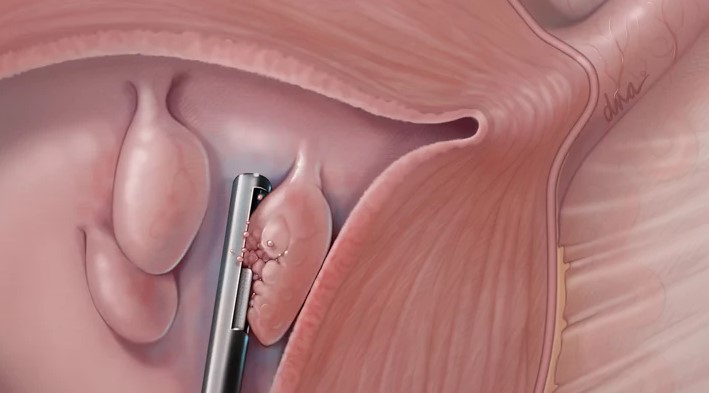
hysteroscopic resection - surgical removal of a neoplasm through the hysteroscope channel by electro destruction;
-
laser destruction (laser vaporization) with a point beam of high-energy light;
-
cryotherapy - targeted freezing of abnormal foci with liquid nitrogen;
-
endometrial scraping.
The choice of the optimal technique depends on the patient's condition, location, number and size of neoplasms. The doctor chooses the method of removal for each woman individually.
Preparing for polypectomy
The measures to prepare for the intervention depend on which method of treatment will be used.
General recommendations:
-
come no earlier than the third day after your period;
-
24 hours before the procedures do not use a spinal fluid, do not put suppositories;
-
abstain from sexual activity for 48 hours before the visit to the clinic;
-
in the morning to conduct a light toilet of the genitals with baby soap.
For more details on how to prepare for polypectomy, you can ask a consultant at the Universum clinic or your doctor.
Advantages of uterine polyp removal at Lux-Medic Clinic
When a patient comes to our clinic, she is guaranteed to receive:
-
comprehensive counselling from an experienced gynaecologist;
-
access to modern methods of diagnosis and treatment of uterine and cervical polyps;
-
treatment of concomitant pathology that may hinder success;
-
a balanced and well-founded decision on the need for polypectomy;
-
individualised approach from the examination stage to the recommendations after the procedure.
Sources
- Yeh Giin Ngo et al. “Specific hysteroscopic findings can efficiently distinguish the differences between malignant and benign endometrial polyps”, Taiwanese Journal of Obstetrics and Gynecology, Volume 59, Issue 1, 2020.
- Berceanu C et al. “Endometrial polyps”, Rom J Morphol Embryol. 2022 Apr-Jun;63(2):323-334. doi: 10.47162/RJME.63.2.04. PMID: 36374138.
- Ren H et al. “Hysteroscopy Combined with Laser Vaporesection for Endometrial Polyps”. J Invest Surg. 2022 Oct; 35(10):1772-1778. doi: 10.1080/08941939.2022.2116134. Epub 2022 Sep 4. PMID: 36062372.
- Tong JL et al. [Clinical pathway for diagnosis and management of endometrial polyps]. Zhonghua Fu Chan Ke Za Zhi. 2022 Jul 25;57(7):491-495. Chinese. doi: 10.3760/cma.j.cn112141-20220422-00269. PMID: 35902782.
- Ullah A et al. “Uterine Hemangioma Presenting as an Endometrial Polyp in a Postmenopausal Woman”. Curr Health Sci J. 2022 Jan-Mar;48(1):125-127. doi: 10.12865/CHSJ.48.01.18. Epub 2022 Mar 31. PMID: 35911943; PMCID: PMC9289585.
F. A. Q.
-
The period of rehabilitation after the intervention depends on the method of removal;
-
it will be necessary to avoid bathing in the bathtub or in open water for a few days;
-
abstain from sexual activity for 7-10 days;
-
if necessary - the doctor adds painkillers for the period of rehabilitation.
-
general anesthesia is given;
-
a hysteroscope is inserted into the uterus through the vagina and cervix;
-
through the channel inside the hysteroscope, the doctor, under visual control, removes the polyps;
-
the doctor controls the absence of bleeding;
-
the hysteroscope is withdrawn;
-
during curettage, a special curette is inserted through the vagina and cervix into the uterus, which is used to remove the internal mucous membrane with neoplasms.
-
The healing time depends on the extent of the intervention;
-
after removal of a single growth, the endometrium may recover by the end of the first period;
-
in the case of scraping or removal of several formations, the period of full recovery is delayed up to 0.5-1 months;
-
accompaniment of a competent gynecologist helps to accelerate healing.
-
Hysteroscopic resection lasts up to 1.5-2 hours;
-
cryodestruction takes approximately 30-40 minutes;
-
laser vaporization takes about 30 minutes and may require several sessions;
-
a curettage takes about 20 minutes.
-
debilitating abnormal uterine bleeding;
-
loss of quality of sex life;
-
infertility;
-
pregnancy failure;
-
there is a risk of degeneration of benign growths into a malignant process.


