




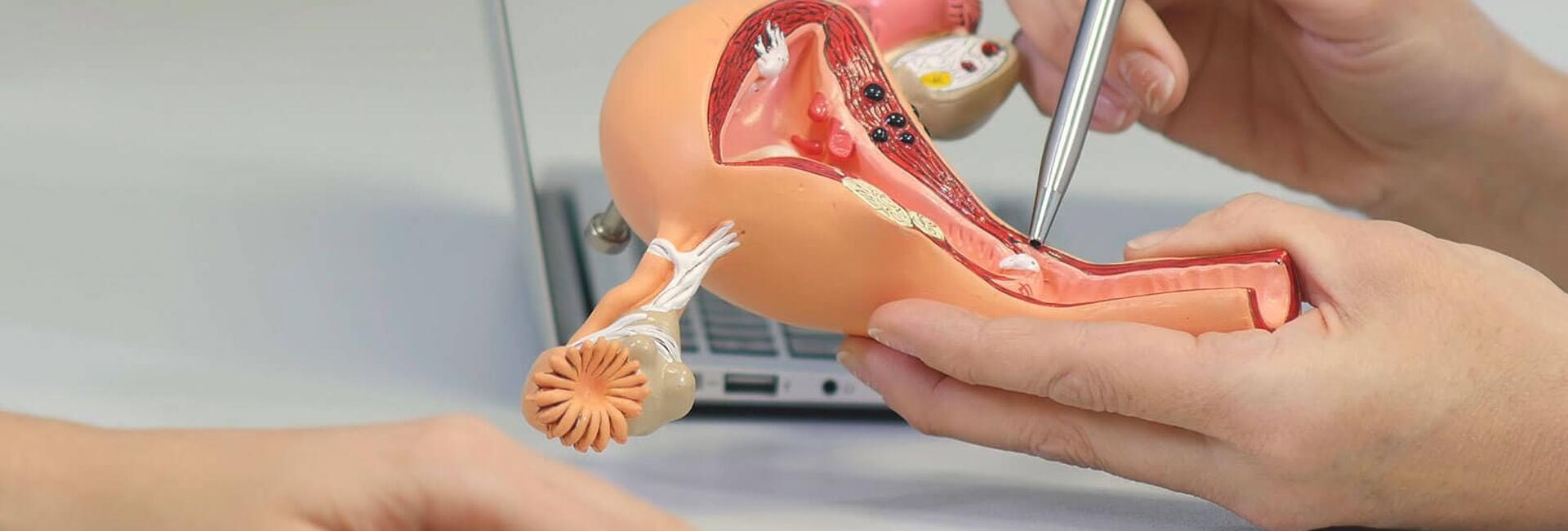


The fallopian tubes are two special channels that connect the right and left ovaries to the uterus. Through them, a mature egg, after ovulation, enters the uterus and has a chance to meet a sperm.
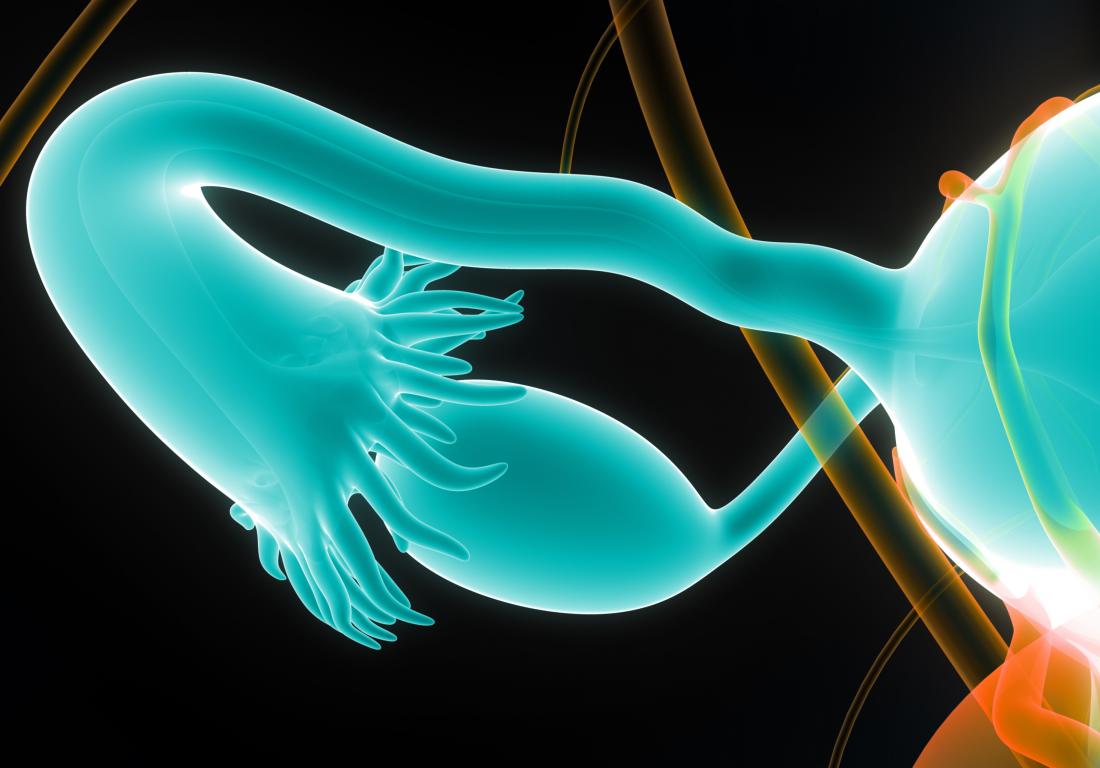
An obstruction of the fallopian tubes means that somewhere along the way there is an obstacle that makes the physiological movement of the egg impossible. Pregnancy becomes a problem (tubal infertility), and if fertilization does occur, there is an increased risk of ectopic pregnancy.
Causes of fallopian tube obstruction
The fallopian tubes are a hollow muscular organ, the inner surface of which is lined with epithelial cells with cilia (fimbriae). One end is located near the ovary and is framed by a fringe that forms a funnel to help the egg get to the right place. The other end opens in the corner of the uterus on the appropriate side.
An egg block can occur in any part of the organ:
-
Near the fimbriae - fringe adhesions lead to the closure of the entrance to the tube.
-
Inside the canal, which critically narrows or completely blocks the tube lumen.
-
On the side of the uterus, when the opening near the corner is blocked.
Due to pressure on the tubal lumen from the outside, from the abdominal cavity.
Tubal infertility is a common gynecological disease: up to 30% of female infertility cases are associated with a blocked way for the egg.
Reasons why obstruction may develop:
-
sexually transmitted infections (gonorrhea, chlamydia and other STIs)
-
operations on the reproductive organs;
-
abortions, curettages;
-
pelvic neoplasms that put pressure on the tube from the outside;
-
polyps, benign and malignant tumors of the uterus in the corners of the organ;
-
endometriosis;
-
long-term inflammatory diseases of the reproductive system;
-
para-ovarian cysts;
-
some types of abdominal wall hernias;
-
hormonal imbalance in a woman's body;
-
trauma to the pelvic organs.
Sometimes the cause of fallopian tube obstruction is prolonged or acute stress. Nervous overstrain can lead to spasm of the lumen, disorders of tubal peristalsis, and stopping of the fimbriae inside the canal.
At Universum clinic, we treat fallopian tube obstruction with the elimination of the cause of this condition. The main thing is to pay attention to suspicious symptoms in time and consult a specialist.
Symptoms of tubal obstruction
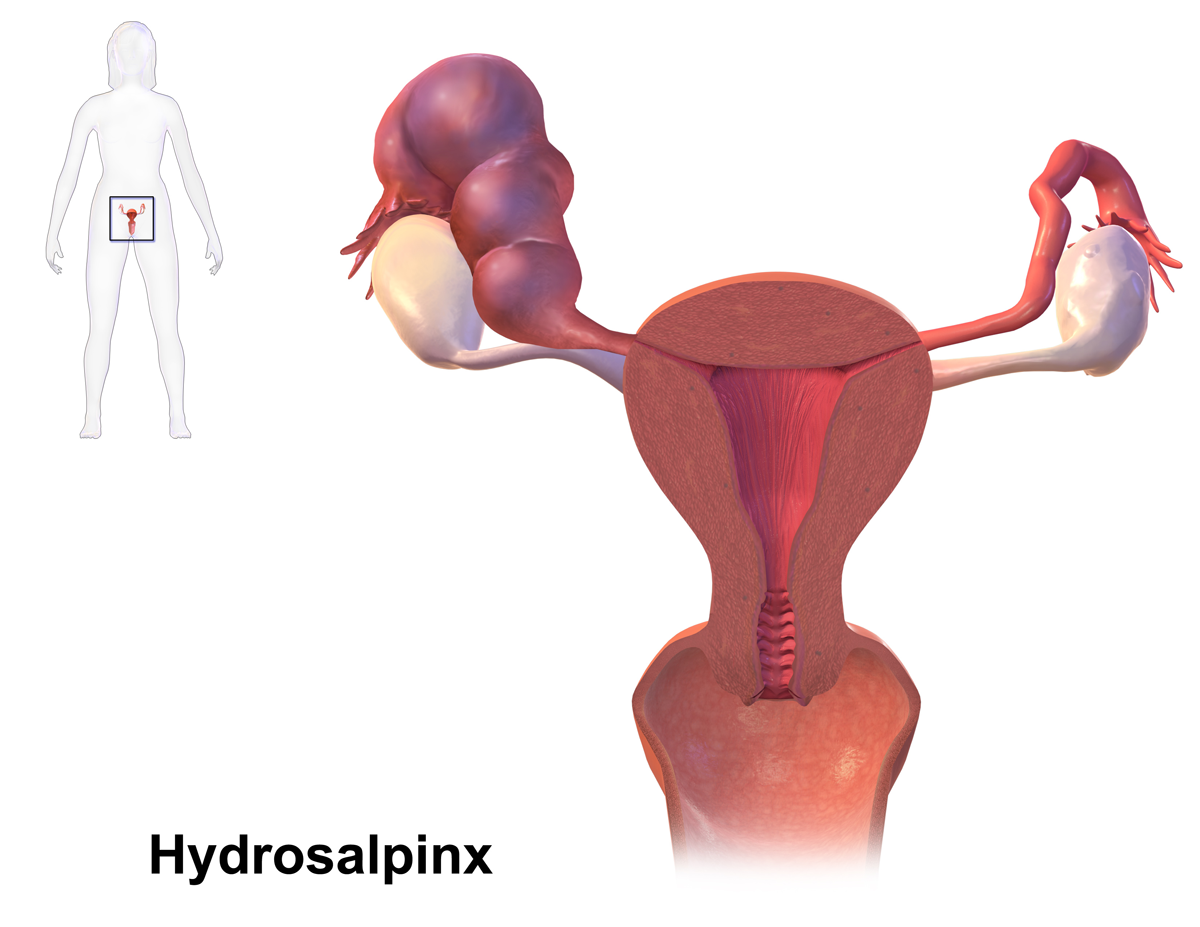
Unfortunately, there are no specific manifestations that would accurately indicate a blockage of the fallopian tubes. Many women are not even aware of their problem, as pain, discomfort, or other unpleasant sensations do not occur even against the background of prolonged tubal blockage. An exception may be hydrosalpinx and torsion, but these conditions cannot be clearly diagnosed only by clinical manifestations (pain in the lower abdomen on the right or left).
Let's list the main symptoms that may mean that the fallopian tubes are obstructed:
-
infertility - unsuccessful attempts to get pregnant within 12 months;
-
recurrent pain in the lower abdomen, on one or both sides, occurring at the estimated time of ovulation;
-
severe cramping pain in the ovarian area (may indicate a torsion);
-
painful periods.
We would like to draw your attention to the fact that menstrual bleeding does not disappear. It's just that the egg does not come out with them, but remains in the abdominal cavity, where it eventually dies and is absorbed.
It often happens that a woman is concerned about gynecological symptoms (pain, abnormal uterine bleeding, etc.), but these are symptoms of another pathology that can cause fallopian tube obstruction. We recommend that you contact the Universum clinic in case of any female problems. A consultation with an experienced gynecologist and a thorough examination will help to find the cause of the disease, eliminate the negative factor, and protect against serious complications.
Diagnosis of fallopian tube obstruction
In an absolute majority of women, the symptoms of fallopian tube obstruction are unsuccessful attempts to get pregnant. We recommend that all infertile couples be examined in the clinic, even if there are no signs of gynecological pathology at the moment: tubal obstruction can remain after STIs, surgeries, etc.
To confirm the diagnosis, specialists use:
-
pelvic ultrasound with doppler, echosalpingoscopy, and transvaginal transducer;
-
radiological hysterosalpingography (RSG) - contrast is injected into the uterus and the image is used to see how it follows the route of the egg;
-
hysteroscopy - examination of the uterine cavity and its corners with a special optical device;
-
diagnostic laparoscopy - a miniature video sensor is inserted into the pelvic cavity through a puncture in the abdomen, with the help of which the doctor examines the reproductive organs.
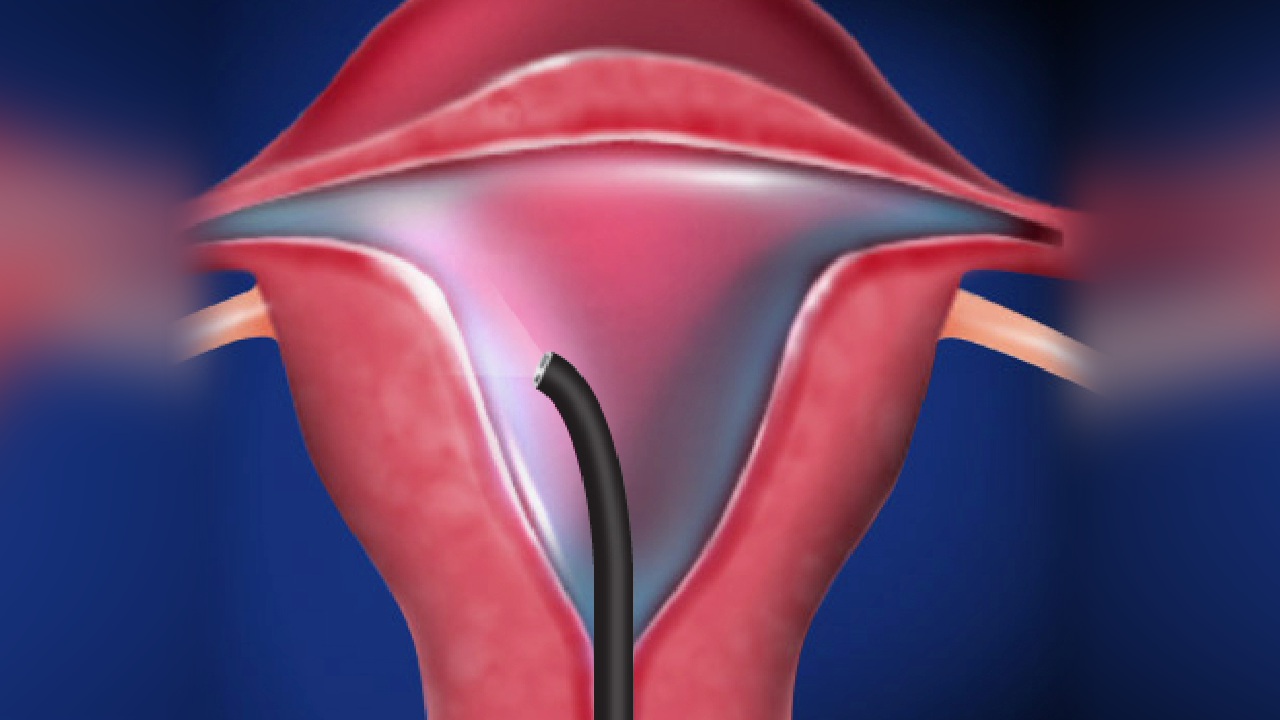
During a diagnostic laparoscopy, chromosalpingography can be performed: a cannula is inserted into the uterus through which a safe dye is injected. By the way the dye comes out of the funnel, the doctor assesses the patency of the tube.
Universum clinic specialists select the optimal diagnostic algorithm for each woman individually. For example, if a patient intends to give birth, we use an alternative, non-harmful diagnostic method instead of HSG.
Treatment of fallopian tube obstruction
How to restore tubal patency (recanalization) can be decided only after the causes of this condition have been established. If it is a functional disorder (stress, hormonal imbalance, muscle tone disorders), the doctor prescribes a course of conservative therapy: sedatives, antispasmodics, and sex hormone drugs.
In case of organic changes (adhesions, deformities), surgery is required: the obstruction of the fallopian tubes is eliminated using a method that is suitable for a particular patient.
The following surgical options are possible
-
hydrotubation - water is passed through the tubal canal, which recanalizes it;
-
salpingocatheterisation - a special catheter is inserted into the blocked tubal canal with the help of a hysteroscope, which restores patency;
-
adhesiolysis - recanalisation of the fallopian tube by cutting the adhesions that constrict the organ, performed by laparoscopy, without an incision.
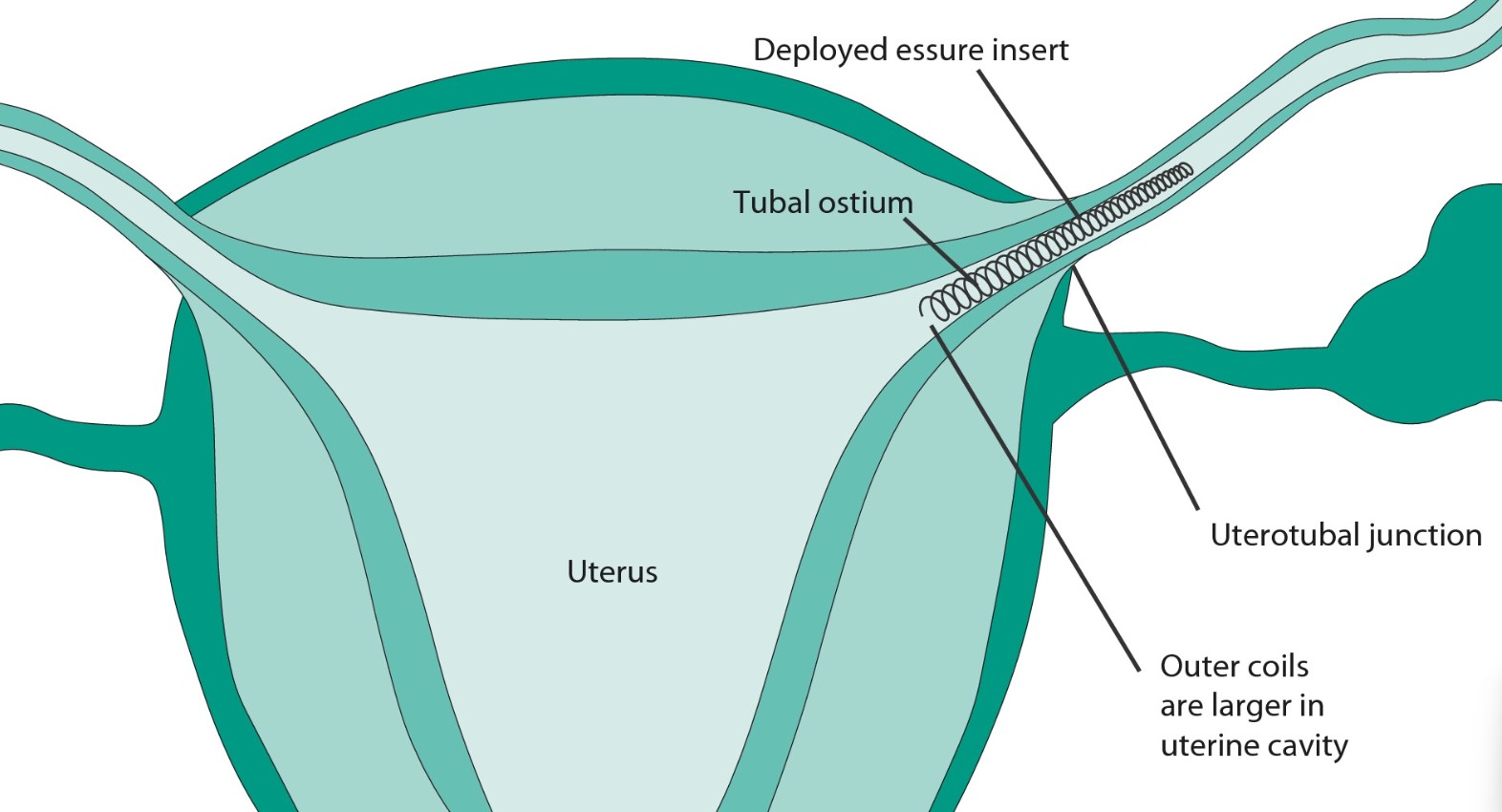
Professional treatment of tubal infertility at LuxMedic Clinic restores a woman's ability to become pregnant: we create an opportunity for the egg to meet the sperm and fertilize. Often, after consultation and treatment in the clinic, there is no need for IVF, and the couple gets the opportunity to have a long-awaited child.
Sources
- Lindsay, Tammy J, and Kristen R Vitrikas. “Evaluation and treatment of infertility.” American family physician vol. 91,5 (2015): 308-14.
- Briceag, I et al. “Fallopian tubes--literature review of anatomy and etiology in female infertility.” Journal of medicine and life vol. 8,2 (2015): 129-31.
- Briceag I, Costache A et al. “Fallopian tubes--literature review of anatomy and etiology in female infertility”. J Med Life. 2015 Apr-Jun;8(2):129-31. PMID: 25866566; PMCID: PMC4392087.
- Gündüz, Reyhan et al. “Hysterosalpingography: a potential alternative to laparoscopy in the evaluation of tubal obstruction in infertile patients?” African health sciences vol. 21,1 (2021): 373-378. doi:10.4314/ahs.v21i1.47.
- Dawood, M Y. “Laparoscopic surgery of the fallopian tubes and ovaries.” Seminars in laparoscopic surgery vol. 6,2 (1999): 58-67. doi:10.1053/SLAS00600058
F. A. Q.
-
pregnancy does not occur within 12 months of regular sexual activity without contraception;
-
laboratory tests do not reveal any signs of pathology in a woman;
-
the partner has a normal spermogram;
-
the woman has had pelvic and reproductive system infections (including STIs);
-
previous surgeries on the uterus, pelvis, or injuries to this area;
-
get a consultation from an experienced gynecologist and be examined in the clinic.
-
as a rule, qualified treatment can restore the patency of the fallopian tubes;
-
in case of functional obstruction, conservative treatment is used;
-
changes require surgical intervention.
-
stress, hormonal imbalance, PCOS and some other diseases lead to functional obstruction;
-
inflammatory and infectious processes of the genital organs cause organic obstruction and adhesions;
-
operations and trauma to the internal genital organs can lead to deformation of important parts of the reproductive system and blockage of the canal for the egg.
-
blockage of the lumen on both sides leads to tubal infertility, and pregnancy becomes impossible;
-
if only the right or left one is affected, conception is possible when the egg leaves the ovary from the healthy side;
-
treatment recovers reproductive function and increases the probability of pregnancy by two times.


