







Between 50 and 80% of women of childbearing age are diagnosed with cervical cancer. The disease is serious and can lead to cancer. Treatment of cervical erosion should not be treated superficially: attention should be paid to eliminating the causes of the disease and its manifestations. A gynecologist at Universum clinic will help identify the source of the problem and protect a woman from the unpleasant and dangerous consequences of the disease.
How cervical erosion occurs
The vaginal part of the cervix is covered with multilayered squamous epithelium. Damage to this layer can lead to the appearance of defects that do not heal, ulcers. This is called erosion.
By this term, doctors can mean two different forms of this disease: true and false erosion. Each has its own causes and, accordingly, different approaches to treatment.
Present erosion
It is diagnosed when the cervical epithelium exfoliates, disappears, and ulcers appear in place of these areas that do not heal for a long time. This pathology occurs in about 2% of women.
Its causes:
-
Inflammatory processes of the reproductive system (cervicitis, vaginitis);
-
chemical burns during douching;
-
specific gynecological procedures;
-
infectious diseases (syphilis, tuberculosis);
-
epithelial nutritional disorders (trophic disorders in the postmenopausal age).
For effective treatment of the disease, it is necessary to find and eliminate its cause. Sometimes, it is enough to consult a qualified gynecologist about contraception.
Erosion or ectropion
Its development begins when the cylindrical epithelium of the cervical canal extends to the surface of the cervix and spreads through its mucous membrane. This pathological process is also called ectropion, ectopia, and is much more common.
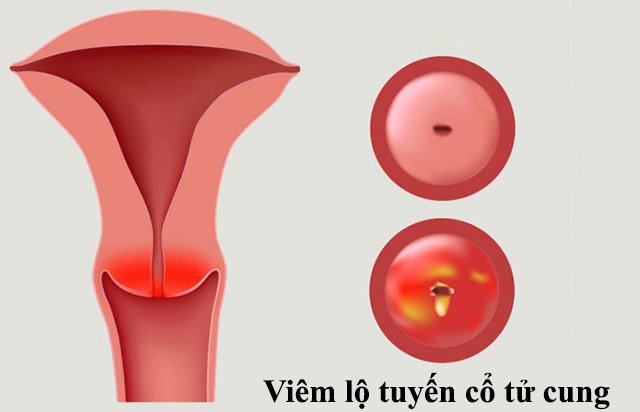
Usually, this pathology is called cervical erosion and is perceived as a reason for treatment.
There are many causes of ectopia:
-
hormonal disorders;
-
traumatic situations;
-
sexually transmitted infections (STIs);
-
frequent change of sexual partners;
-
abortions, especially at a young age.
Methods of treating ectopia (ectropion) are known and are chosen based on the causes of the disease.
Symptoms of cervical erosion
Usually, the pathology is asymptomatic. The following complaints can be a reason to visit a doctor for diagnosis and treatment
-
pain and discomfort in the pelvic area;
-
periodic bleeding, usually scanty;
-
discharge from the genital tract (white);
-
dyspareunia - decreased pleasure in intimacy;
-
problems with conceiving and carrying a pregnancy.
Aftersexual contact, there may be a scanty discharge of blood associated with trauma to eroded surfaces (postcoital bleeding). If sex is unprotected, the risk of wound infection with pathogens, in particular, human papillomaviruses, which are dangerous for cancer, increases significantly. Therefore, timely treatment even protects against tumors.
Diagnosis
Unfortunately, many women find out about cervical problems by accident, during a gynecological examination for another reason. That is why it is so important to have preventive examinations by a gynecologist at least once a year to start treatment on time.
Diagnosing cervical erosion at the Lux-Medic Clinic is not a problem:
-
The doctor examines in mirrors to see areas of damaged epithelium;
-
colposcopy is performed - examination of the cervix and vagina under magnification;
-
Tests with tissue staining with special reagents are performed;
-
a PAP smear test is taken to determine the cause and degree of danger of the process.
Girls and women are recommended to undergo an annual examination at the clinic starting from the age of 18. As the process is asymptomatic, the examination will help to detect it at an early stage, when treatment is most effective.
Treatment of cervical erosion
Effective treatment of ectopia is a reality. Universum clinic uses laser treatment of cervical erosion: laser cauterization of exclusively affected areas of the epithelium. After the procedure, complex therapy is required to form a layer of normal multilayered epithelium on the mucous membrane.
Thanks to the professionalism of our doctors, treatment sessions with laser therapy are free of complications and relapses.
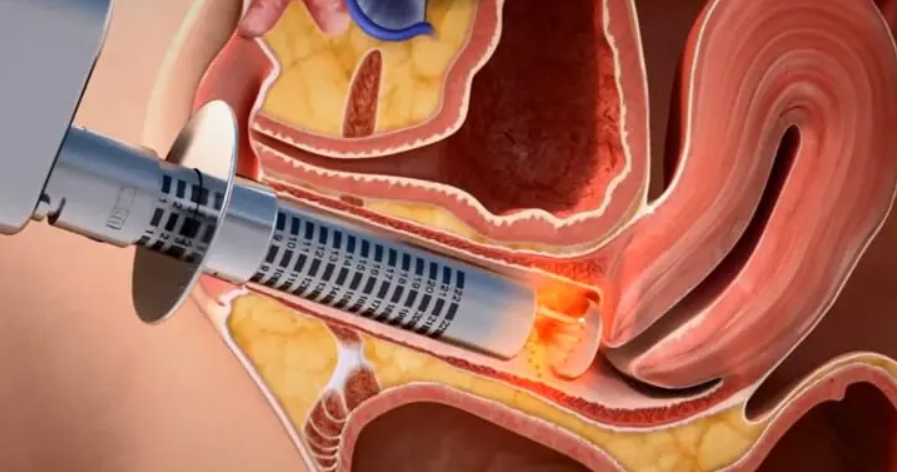
If the patient comes in on time and the affected area is small, the gynecologist at the Lux-Medic Clinic can do without laser cauterization. As an alternative, drug therapies are used:
-
anti-inflammatory drugs;
-
hormonal balance is corrected;
-
vaginal flora is normalized.
There are no contraindications to treatment. The only thing that is important is to choose the optimal method: laser therapy or a medical approach, or a combination of both.
Universum clinic offers qualified treatment of cervical erosion. Consultation with an experienced specialist and access to modern diagnostic methods will help to quickly establish a diagnosis and find the cause of the disease. Having correctly assessed the woman's condition, the doctor will effectively cure the dangerous process without the risk of complications and relapses.
Sources
- Abnormal Cervical Appearance: What to Do, When to Worry?. Petra M. Casey,Margaret E. Long,Mary L. Marnach, Mayo Clinic Proceedings, February 2011. doi.org/10.4065/mcp.2010.0512 .
- Determinants of cervical ectopia and of cervicitis: Age, oral contraception, specific cervical infection, smoking, and douching. Cathy W. Critchlow, PdD et al. doi.org/10.1016/0002-9378(95)90279-1.
- Woźniak, J et al. “Nadzerka szyjki macicy u kobiet z niepłodnościa pierwotna leczona laserem CO2” [Erosion of the uterine cervix in women with primary infertility treated with CO2 laser]. Ginekologia polska vol. 65,11 (1994): 629-33.
F. A. Q.
-
laser therapy with a light beam is a nonbloody procedure that is well tolerated, with a minimum of complications;
-
cryotherapy or nitrogen freezing is an affordable method, but requires a doctor's experience to choose the optimal dose of the procedure;
-
diathermocoagulation with high-frequency current - quick effect, risks of scarring;
-
chemical destruction of the lesion with acids - an uncomfortable method; there is a risk of relapse, burns, scarring;
-
scalpel conization is a surgical intervention used if minimally invasive methods are not effective.
-
delay a consultation with a gynecologist in the clinic;
-
have unprotected sex;
-
use sexual toys;
-
self-treat with vaginal douches and vaginal suppositories on the advice of friends or the Internet.
-
Individually selected drug treatment can be effective if you visit the clinic in a timely manner;
-
anti-inflammatory drugs to reduce the area of the defect;
-
antiviral drugs in case of papillomavirus or herpes infection;
-
immunomodulatory drugs to protect healthy cells;
-
wound healing agents to accelerate the epithelialization of the problem area.
-
increases the risk of contracting sexually transmitted infections;
-
may cause bleeding after sexual intercourse;
-
causes dyspareunia - discomfort during sexual activity.


