







Cryotherapy is a method of treating tumors using low temperatures. The therapeutic principle of the technique is to freeze abnormal areas of the skin or mucous membranes. After the procedure, these areas are first necrotic, and then the human body restores normal, healthy tissue in these areas.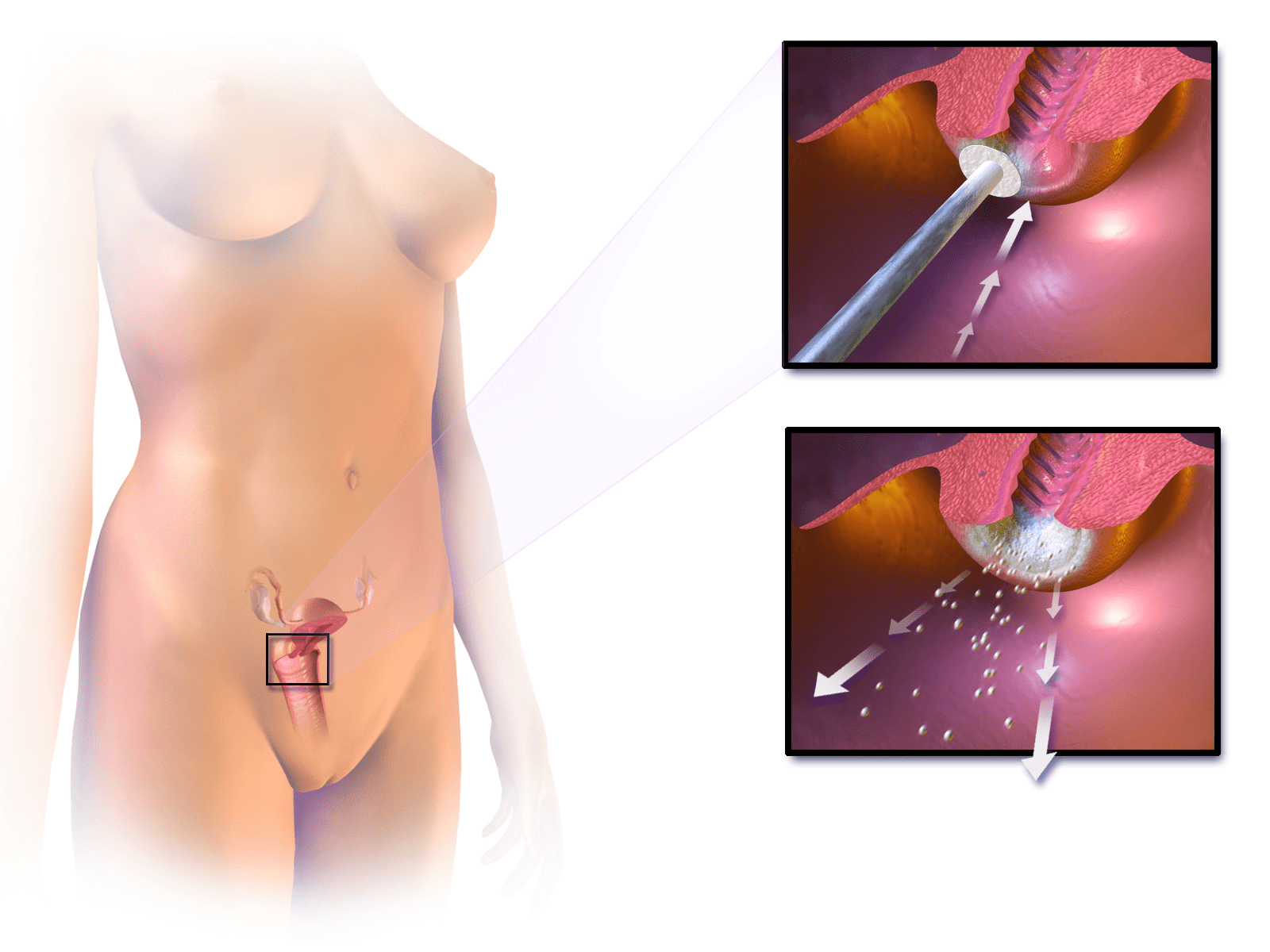
The method is well studied, accessible, and has good effectiveness when carried out according to indications and by a professional specialist. The procedure is actively used in gynecology and is performed on an outpatient basis.
Indications for use
Freezing causes ice crystals to form in cells, which destroy the cell membrane. Then the body lyses and destroys the dead cells, and a healthy cell cover is formed in this area.
Tissues in the treatment area are destroyed in a pre-planned area and to a specified depth, which is why cryotherapy is also called cryodestruction or cryosurgery, these are synonymous words.
Indications in gynecology:
-
warts, condylomas, and other manifestations of human papillomavirus infection;
-
erosion, ectopia, and ectropion of the cervix;
-
polyps and some other benign neoplasms on the cervix, vaginal epithelium, skin of the external genitalia;
-
borderline (precancerous) conditions - dysplasia of the epithelium of the cervix, cervical canal, vagina, Bowen's disease;
-
cervical retention cysts.
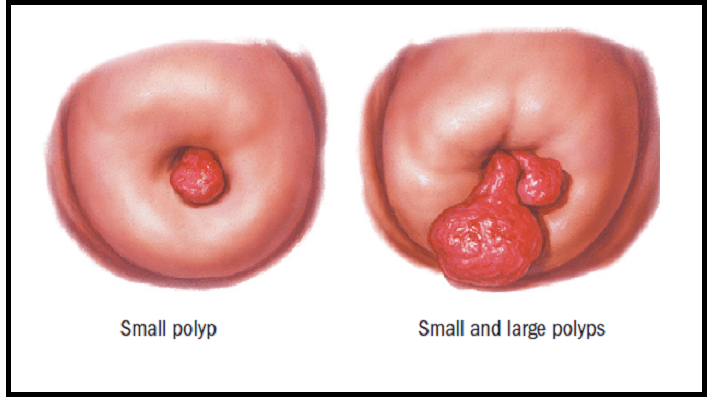
In some cases, it is possible to save a woman from bleeding from the cervix and vagina.
Contraindications to cryotherapy
Despite the accessibility and effectiveness of the procedure, there are conditions in gynecology in which freezing cannot be done. Cryotherapy will either not be effective or may pose serious complications in the following cases:
-
active infectious processes of the genitals (vaginitis, vulvitis, cervicitis);
-
inflammatory diseases of the pelvic organs;
-
large areas of damage that can become scars after freezing
-
active menstruation;
-
deep lesions, with penetration deeper than the submucosal layer;
-
scars located in the cryotherapy area;
-
cancer processes on the cervix, in the cervical canal;
-
pregnancy status;
-
allergy to cold;
-
cryoglobulinemia - there are proteins in the blood that, at low temperatures, are deposited in the walls of blood vessels and cause vasculitis.
Cryotherapy should not be used in gynecology if a malignant tumor is suspected in the freezing zone. Also, cryodestruction is not suitable for the treatment of large, more than 3 cm in diameter, abnormal lesions.
How is cryotherapy performed?
Liquid nitrogen is used as a source of cold, which is stored in special thermos vessels.
The woman is placed in a gynecological chair, the doctor uses mirrors to expose the cervix and obtain visual control of the pathological focus. Further, the session can be carried out in two options:
Through a cryoprobe (cryodestructor), liquid nitrogen is supplied directly to the affected area of the body.
The doctor first cools a special applicator spatula with nitrogen, which he then applies to the desired area.
What method of therapy to choose, how long to apply low temperature, do single or double freezing - the clinic specialist decides individually for each patient.
Preparation for the procedure
To increase the effectiveness of cryotherapy treatment and avoid complications, you need to properly prepare:
-
undergo a preliminary examination by a gynecologist;
-
make a smear for cytology and bacterial flora;
-
Schedule a visit to the clinic on days 7-10 of your cycle;
-
48 days before the scheduled cryotherapy session, refrain from sexual intercourse.
The main thing to do is to make sure there are no contraindications to the session. If this condition is met, and the woman’s condition says that she needs cryotherapy, you can undergo treatment in Kyiv at the Universum clinic.
Benefits of cryotherapy at Universum clinic
Despite its apparent simplicity, the technique requires professionalism and experience. Each of our patients is examined by a qualified gynecologist, including using colposcopy. The clinic specialist determines indications and contraindications for the procedure, draws up a plan for treatment and support in the post-procedure period.

An individual and responsible approach to each woman allows us to obtain a lasting positive effect from freezing treatment with minimal risk of complications.
Sources
- McClung EC, Blumenthal PD. «Efficacy, safety, acceptability and affordability of cryotherapy: a review of current literature». Minerva Ginecol. 2012 Apr;64(2):149–71. PMID: 22481625.
- Jahic M. «Cryotherapy of Erosion of Cervix and Low Grade Squamous Intraepithelial Lesion.» Mater Sociomed. 2018 Dec;30(4):294–296. doi: 10.5455/msm.2018.30.294–296. PMID: 30936796; PMCID: PMC6377929.
- Nazari Z et al. «Is cryotherapy effective in all women with low-grade cervical intraepithelial neoplasia?». Eur Rev Med Pharmacol Sci. 2021 Jun;25(12):4211–4218. doi: 10.26355/eurrev_202106_26126. PMID: 34227088.
- Tuzla, Jahić M. «Infekcije grlića materice i vagine i krioterapija.«Identity.[Google Scholar] (2017): 222–223.
F. A. Q.
-
genital manifestations of papillomavirus (HPV) infection - warts, condylomas, papillomas;
-
areas of dysplasia of the epithelium of the cervix and cervical canal;
-
cervical ectropion, ectopia;
-
benign neoplasms of the genital organs, vagina;
-
precancerous and some cancer processes in gynecology;
-
certain variants of abnormal bleeding from the genital tract.
-
women with active infectious processes in the organs of the reproductive system;
-
with large and deep tissue lesions;
-
in case of malignant tumors with a high risk of relapse;
-
if you are allergic to cold;
-
patients with cryoglobulinemia.
-
prevention of malignant neoplasms in gynecology;
-
elimination of symptoms of HPV infection;
-
does not require hospitalization, is performed on an outpatient basis;
-
minimum contraindications;
-
low risk of infectious complications;
-
low probability of scarring.


