






Adnexitis is the name given to inflammation of the ovaries until recently. Currently, there is no such term in the classification of diseases; the disease is called oophoritis. The process is often combined with inflammation in the fallopian tubes (salpingitis), which is why gynecologists do not diagnose adnexitis, but rather salpingo-oophoritis.
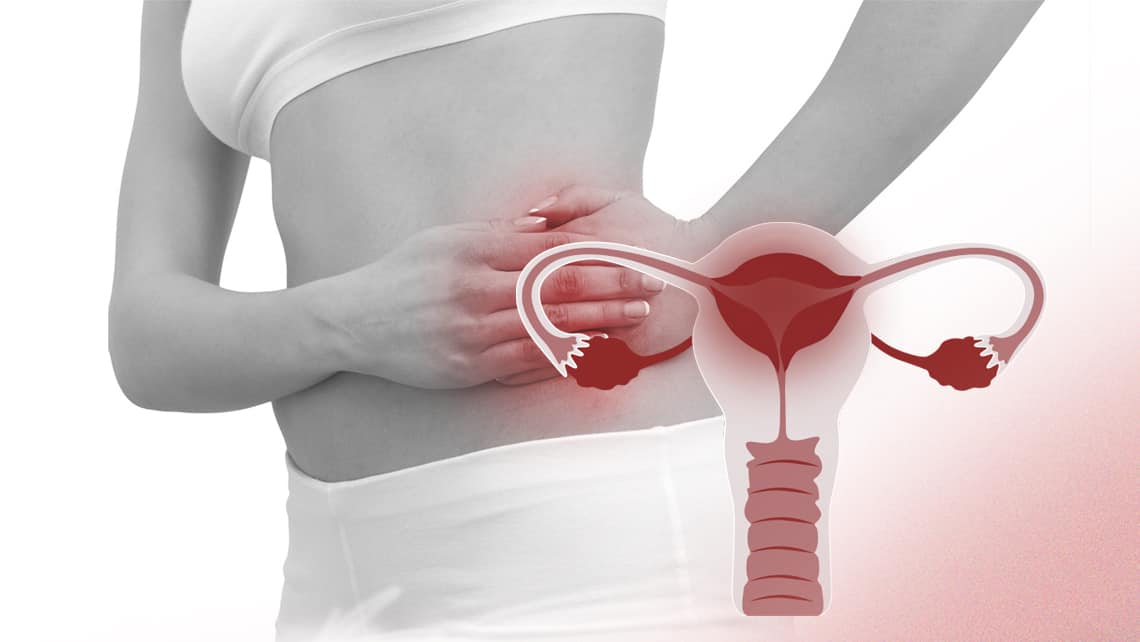
Despite the change of name, the pathology has not lost its relevance: adnexitis remains the most common inflammatory disease of the pelvic organs. The process can be acute or chronic, unilateral or bilateral. It is dangerous for the development of purulent complications and infertility. An individual approach to each patient allows gynecologists at the LuxMedic Clinic to successfully treat adnexitis (salpingo-oophoritis) and other pelvic inflammatory diseases.
Causes of development
As a rule, adnexitis is caused by an infection. It can be:
-
STIs - gonococci, chlamydia, trichomonas, mycoplasma and ureaplasma;
-
nonspecific bacteria such as E. coli, Gardnerella, strepto or staphylococci;
-
viral infections - genital herpes, cytomegalovirus;
-
some specific pathogens, such as tubercle bacillus.
It happens that women with autoimmune adnexitis visit the clinic. In such cases, inflammation in the ovaries develops due to disorders in the immune system, is aseptic and requires a special approach to treatment.
Mechanisms of adnexitis development
Infectious pelvic inflammation in women can develop in two ways:
-
The ascending pathway, characteristic of STIs and nonspecific bacteria. Pathogenic microorganisms first enter the vagina, then penetrate the uterus, and from there - the tubes and further to the ovaries. This explains why the ovaries are often inflamed along with the fallopian tubes, and why the diagnosis of salpingo-oophoritis is so common.
-
The haematogenous pathway of adnexitis is less common. In this variant, pathogenic bacteria and viruses enter the ovaries and appendages from organs that are not part of the genitourinary system (extragenital sources). This can be a carious cavity, tuberculosis lesions of the lungs, bones, or any other focus of chronic infection.
The ascending pathway of adnexitis development is the most common, so we recommend that you consult a gynecologist in case of any unpleasant symptoms in the genitals. This will allow you to identify the problem in a timely manner and undergo treatment, preventing the transition of, for example, vaginitis to salpingo-oophoritis.
Risk factors
The probability of contracting adnexitis is increased by certain factors that in one way or another weaken the female body and reduce immune defense.
They can lead to acute salpingo-oophoritis or cause an exacerbation of the chronic process:
-
unprotected sex;
-
STIs in the advanced stage;
-
pelvic surgery, including laparoscopic surgery;
-
hypothermia or vice versa - overheating;
-
stressful situations;
-
abortion, curettage;
-
physical and/or psycho-emotional fatigue;
-
unbalanced diet;
-
chronic diseases, for example, diabetes mellitus;
treatment of other pathologies with the use of immunosuppressants.
We ask women to pay attention to these factors. If after their influence or against their background, problems begin in the lower abdomen, do not delay consultations with an experienced gynecologist.
Symptoms and indications of adnexitis
A typical symptom for all pelvic inflammatory processes is pain in the lower abdomen, in the lumbar region. It occurs on one side or both sides of the pubis. As a rule, it has a dull, aching character, sometimes intensifies, then weakens. The intensity of the pain syndrome varies according to the disease: in the case of acute inflammation, it is more painful, while the chronic form may cause minimal discomfort.
Additional signs that are characteristic of acute adnexitis (salpingo-oophoritis):
-
fever up to 38-40 degrees Celsius
-
nausea, sometimes with vomiting;
-
dyspareunia;
-
increased frequency of urge to "go small";
-
discharge from the genital tract, which may even be purulent.
Chronic salpingo-oophoritis manifests itself less strongly:
-
temperature is normal or slightly elevated;
-
fatigue, weakness;
-
inability to get pregnant;
-
period disorders from amenorrhoea to heavy menstruation.
Diagnosis of the disease
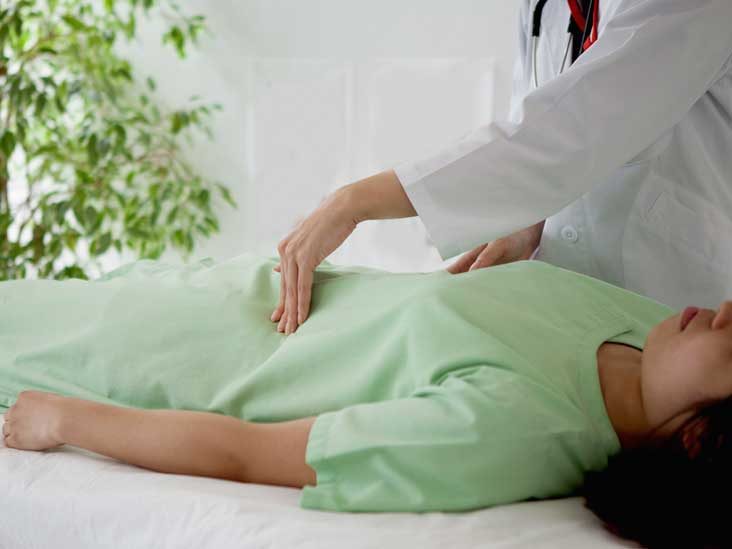
Symptoms do not allow for an accurate diagnosis: appendicitis, renal or hepatic colic, and abdominal tumors can manifest with similar symptoms. Therefore, an ultrasound examination of the pelvic organs is mandatory. If a woman has developed salpingo-oophoritis, the ultrasound will show which side of the process, whether there are adhesions, fluid accumulation.
In addition to ultrasound, LuxMedic Clinic uses other methods that allow us to clarify the diagnosis and the nature of the disease:
-
gynecological examination
-
colposcopy;
-
smear for flora from the vagina and cervical canal;
-
blood tests;
-
puncture of the posterior vaginal vault;
-
diagnostic laparoscopy.
Adnexitis - treatment
Approaches to the treatment of different variants of salpingo-oophoritis differ. If a woman's condition is not too severe, conservative therapy is used:
-
antibiotics, antiprotozoal or antifungal agents;
-
anti-inflammatory drugs;
-
enzyme preparations to combat adhesions;
-
anti-allergic, desensitizing therapy;
-
detoxification measures.
It is very important to choose the right antibiotic therapy regimen: to prescribe exactly those drugs to which the pathogens remain sensitive. This is possible thanks to the experience, qualifications and modern diagnostic methods available at Universum clinic. The duration of the course and its content are individual for each patient.
In some situations, surgical intervention may be required: tubal drainage, removal of the affected organ or other surgery.
Complications
Adequate treatment of acute salpingo-oophoritis almost always results in a complete recovery. Visit the clinic if you suspect adnexitis: treatment by a professional gynecologist will restore your health and protect you from the dangerous consequences of the disease.
Complications of salpingo-oophoritis:
-
acute inflammation of the pelvic peritoneum (pelviperitonitis);
-
purulent processes, tubal abscesses;
-
infectious inflammation in the pelvis, suppuration of the tissues around the ovaries and appendages;
-
endometritis;
-
formation of adhesions in the abdominal cavity.
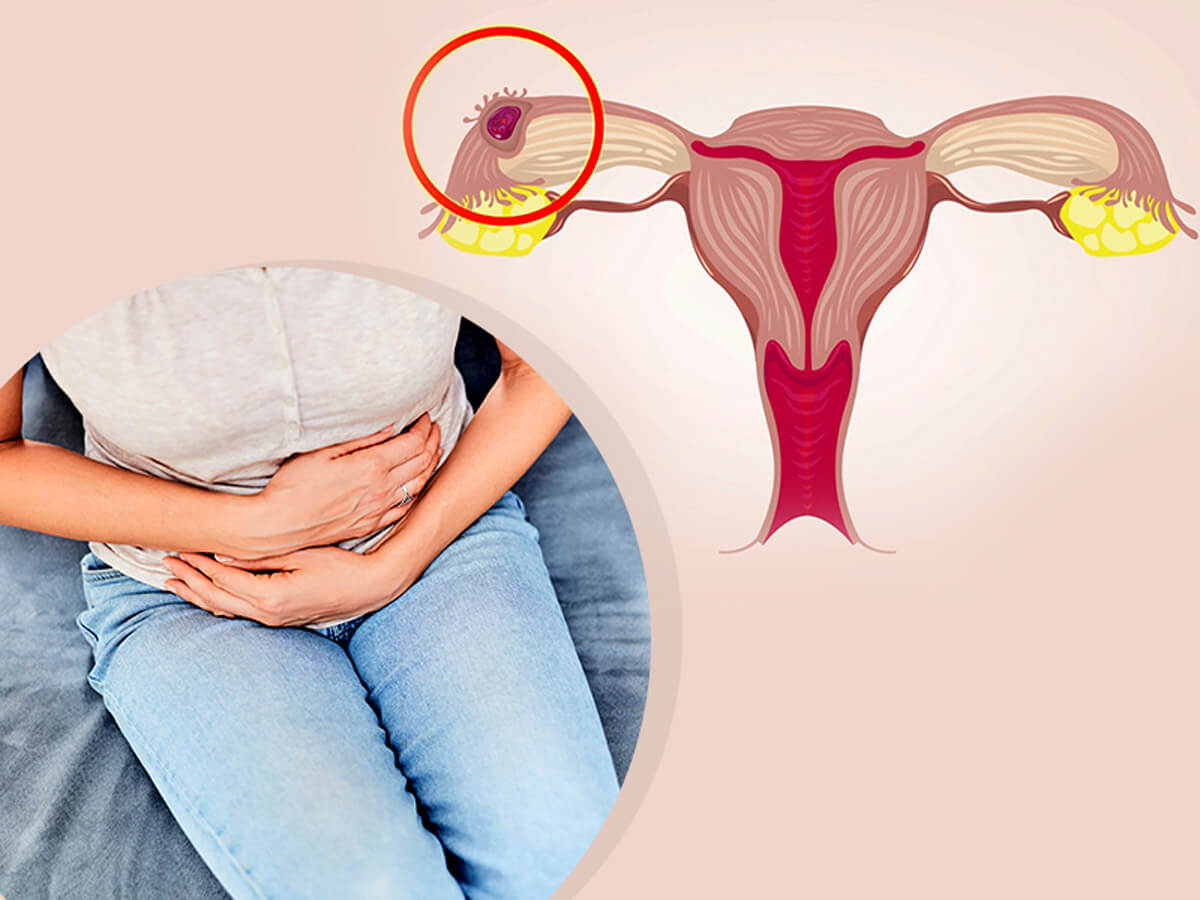
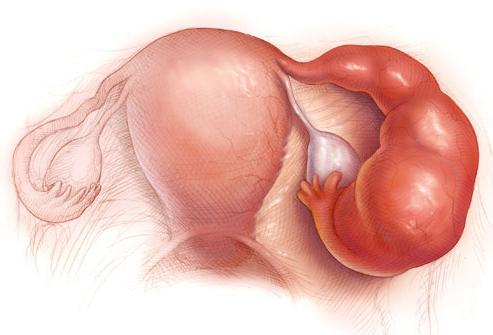
A complication of the chronic form of salpingo-oophoritis is ectopic pregnancy. This is caused by obstruction of the fallopian tubes due to prolonged mild inflammation.
Prevention of the disease
No woman is immune to adnexitis, which is why this disease is so common. We will tell you how you can reduce the risk of developing salpingo-oophoritis:
-
follow the rules of genital hygiene carefully;
-
have safe sexual contact ;
-
avoid hypothermia;
-
maintain a healthy lifestyle;
-
undergo a gynecological examination annually or every 6 months;
If you have the slightest doubt, go to the clinic for examination and treatment.
It will be right to come to the appointment with your sexual partner. It often happens that a woman is regularly " nourished" with pathogens by an asymptomatic infection. This gives rise to myths that adnexitis is extremely difficult to treat and that the disease often recurs.
Professional gynecological care with consultation with a urologist for men at Universum clinic will help to get rid of annoying and dangerous manifestations of salpingo-oophoritis.
Sources
- Curry, Amy et al. “Pelvic Inflammatory Disease: Diagnosis, Management, and Prevention.” American family physician vol. 100,6 (2019): 357-364.
- WELCH, C E et al. “Acute oophoritis and perioophoritis.” The New England journal of medicine vol. 237,26 (1947): 995-7. doi:10.1056/NEJM194712252372607.
- Sivalingam, N et al. “Managing pelvic inflammatory disease.” The Medical journal of Malaysia vol. 62,5 (2007): 425-7; quiz 428.
F. A. Q.
-
the menstrual cycle is disturbed;
-
pain in the lower abdomen, dull or cramping;
-
pain on the right or left side of the pubis, the lower back may hurt;
-
against this background, the temperature rises, from small numbers to 38-40 degrees;
-
nausea, sometimes vomiting;
-
general health deteriorates;
-
weakness and fatigue.
-
without treatment, the disease does not go away on its own;
-
the weakening of symptoms indicates that the process has become chronic;
-
in case of effective treatment, recovery is expected in 5-10 days
-
salpingo-oophoritis is not always accompanied by increased whitening;
-
discharge may be purulent, mucopurulent;
-
bloody discharge is not typical for adnexitis.
-
blood tests;
-
smears from the vagina, cervical canal, urethra;
-
bacteriological culture of the genital tract to identify pathogens and select effective antibiotics.


