







Price and services
Venereology - this branch of medicine received its melodious name in honor of the ancient Roman goddess of love Venus. A doctor of this specialty solves problems that most often arise as a result of careless love affairs: treats STIs (sexually transmitted infections).
The causative agents of sexually transmitted infections can be viruses, bacteria, protozoa, fungi, and a combination of several different microorganisms in one patient. Therefore, there is no universal recipe for curing a person of an STI. You need expert advice, examination and pathogenetic treatment. Only this will give you confidence in your health and the safety of your loved ones.
When to consult a venereologist
Many people, when faced with the symptoms of STIs (synonymous with STDs, sexually transmitted diseases), are ashamed of their condition and try to self-medicate. This approach leads to chronicity of the disease, increases the risk of relapse and the risk of infecting loved ones, even without intimacy.
There is no reason to be shy: The LuxMedic Clinic venereologist will provide professional help to anyone, while maintaining the anonymity of the patient.
Symptoms that are manifestations of sexually transmitted infections:
- discharge from the genital tract, in women from the vagina, in men from the urethra
- unpleasant sensations in the groin (itching, burning)
- rashes, spots, ulcers in the genital area, perineal skin
- pain, burning when urinating
- loss of feeling of orgasm, decrease in libido;
- decreased potency in men, dyspareunia (discomfort during sex) in women;
- increased sweating, unpleasant odors in the groin area;
- swollen lymph nodes in the inguinals, with or without pain or discomfort;
- men often experience urinary problems due to the development of prostatitis.
Even one of the above symptoms is a signal that you need the help of a specialist. It should be noted that these symptoms are not always pronounced. For example, discharge from the genital tract may be noticed only by stains on underwear.

The first step to better health is easy: At the LuxMedic Clinic, a venereologist consults patients with sensitive problems online. Confidentially, of course.
If necessary, the doctor will tell you what to do if you suspect a venereological problem. However, the possibilities of remote consultation are still limited because it is sometimes impossible to make an accurate diagnosis and choose the best treatment based on symptoms and complaints alone.
What diseases does Venereology treat?
The field of venereology includes infections transmitted through sexual contact. In addition, there are diseases that are poorly protected even by barrier methods of contraception (for example, viral papillomas on the skin).
Common diseases treated by Venereology are:
- Syphilis
- Gonorrhea (clap)
- Trichomoniasis
- ureaplasmosis
- chlamydia
- soft chancre;
- fungal infections
- anogenital warts;
- Donovanosis and other infections of the human reproductive system.
ІHIV and viral hepatitis are sometimes included in this category. However, these diseases are currently considered blood-borne infections and are indirectly related to venereology.
Please remember that for men a venereologist is also a chance to avoid infertility. Many of the pathogens affect the testicles, which disrupts spermatogenesis.
In women, untreated or improperly treated STDs also increase the risk of infertility: as a result of prolonged inflammation, fallopian tubes may become blocked.
There is also a less obvious factor that should help you make the right decision and seek help: the focus of the chronic infection. Venereology cleanses the human body of pathogens and thus becomes a prevention of other diseases, especially Reiter's syndrome, which affects the joints.
Diagnostic methods in venereology
The symptoms of many sexually transmitted diseases are similar. And given that a person can be infected by a whole bunch of pathogenic microorganisms, laboratory diagnostics is indispensable.
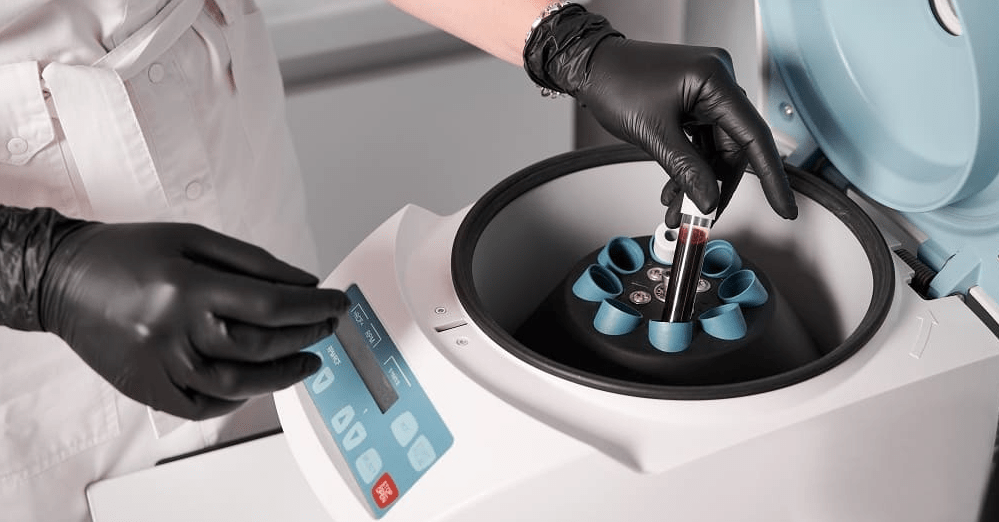
If you do not pass the tests, venereology at any level cannot guarantee a successful result.
Patients of LuxMedic Clinic are offered a full range of confidential examinations:
- microscopy of urine, discharge from the genital tract
- for men - prostatic secretion;
- smear from genitals, urethra;
- scraping for fungal infection;
- blood tests for treponema pallidum (the causative agent of syphilis);
- Examination of biological material by PCR (especially relevant for viruses);
- Determination of specific immunoglobulin levels;
- titration of antibodies; immunological diagnostics;
- culture (bacteriological) tests.
Rapid tests for common sexually transmitted diseases are widely used in the clinic. This means that a person does not need much time to be tested, and a venereologist is often able to make the correct diagnosis within a few minutes or hours.
Sometimes, however, when patients come to us with a long history of the disease, additional examinations are required:
- Ultrasound of the reproductive tract;
- Detailed biochemical blood tests;
- Spermogram in men;
- determination of fallopian tube patency in women
If necessary, the clinic organizes consultations with relevant specialists: gynecologist, urologist, dermatologist.

Treatment methods in venereology
Advertising and the "experience" of others encourage people to start taking antibiotics at the first sign of an STI. This is a wrong and dangerous approach: different STD pathogens are sensitive to different drugs. And some are completely resistant to antibiotics.
That is why it is important to consult a specialist. A qualified venereologist, whose advice is based on the results of the tests, draws up an individual course of therapy.
In the treatment of patients, venereology uses drugs of various groups:
- Antibiotics with optimal spectrum of action;
- Sulfonamide drugs;
- antiprotozoal agents;
- Antimicrobial and antifungal drugs;
- Antiviral drugs, including vaccination against papillomaviruses;
- immunomodulators;
- general tonic agents.
Sometimes it is necessary to add local treatment procedures: pouring medicines into the urethra, vaginal baths.
The main thing is to observe two principles, without which treatment can be ineffective:\
- Not only the patient, but also his sexual partner must be examined and treated. Even if he has no symptoms. This is the best way to prevent relapses.
- Drugs should be chosen according to the susceptibility of the pathogens. And combine different drugs if there are several pathogens.
When both principles are met, a paid venereologist with access to a diagnostic facility is cost effective. Patients are cured in less time, with less money spent on drugs. And with the least risk of re-infection from a sexual partner. Of course, much also depends on the level of sexual responsibility of the person, the tendency to unprotected intimate contacts.
Venereology at UNIVERSUM.CLINIC
Venereal diseases can cause not only embarrassment, but also serious disorders of the body.
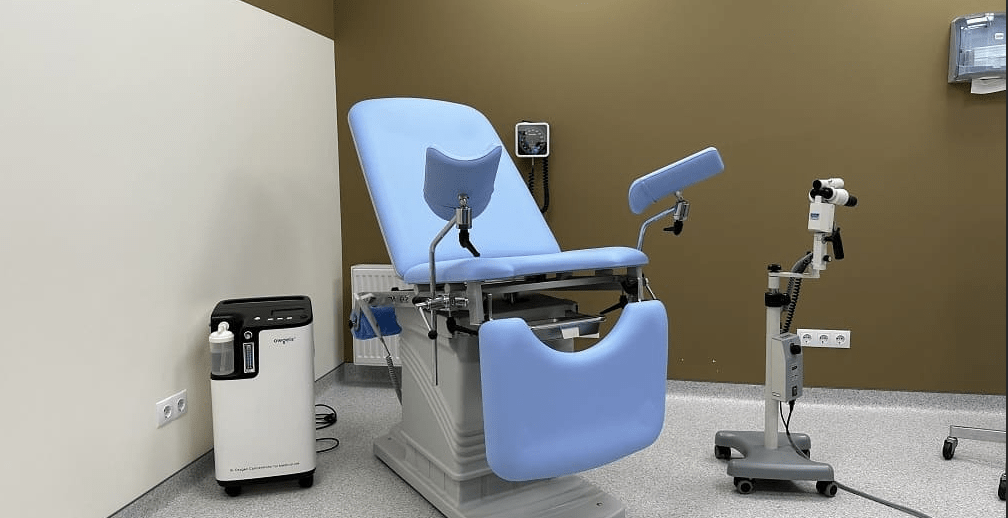
In order to protect the patient from both these factors, the specialists of the clinic do everything necessary:
- Confidentiality is guaranteed;
- The initial consultation is available online;
- Diagnosis is carried out in a short time;
- The pathogenetic treatment is prescribed on the same day of treatment;
- Laboratory monitoring of recovery is provided
ТThis level of care is offered in all branches of LuxMedic Clinics: whether it is our venereologist in Kyiv, Uzhhorod, Khmelnytsky, Lviv or Chernivtsi. Each of our patients can count on a professional approach to their health and preventive advice for the future.
References
- Workowski K.A., Bachmann L.H., Chan P.A. et al. (2021) Sexually Transmitted Infections Treatment Guidelines, 2021. MMWR Recomm Rep.; 70(4): 1–187. doi: 10.15585/mmwr.rr7004a1.
- Várkonyi V. Szexuáilis úton terjedo infekciók a XXI. században [Sexually transmitted infections in the XXI century]. Orv Hetil. 2006 Dec 10;147(49):2353-8. Hungarian. PMID: 17228514.
- Schachter J. Sexually transmitted chlamydia trachomatis infection: management of the most common venereal disease. Postgrad Med. 1982 Oct;72(4):60-2, 64, 67 passim. doi: 10.1080/00325481.1982.11716212. PMID: 6896912.
- Hart G. Role of preventive methods in the control of venereal disease. Clin Obstet Gynecol. 1975 Mar;18(1):243-53. doi: 10.1097/00003081-197503000-00021. PMID: 1091387.
F. A. Q.
- Sexually transmitted infections (STIs);
- The list of common ones includes gonorrhea, syphilis, chlamydia, mycoplasmosis, donovanosis, papillomavirus (which causes anogenital warts), trichomoniasis, genital fungal infections, and other infections.
- Abnormal genital discharge - in women, the white discharge becomes more abundant, its color and odor changes;
- In men, discharge from the urethra begins, often in the form of sparse drops, noticeable only by stains on underwear;
- Lumps appear in the groin (lymph nodes become enlarged);
- Rashes, spots, wetting, ulcers appear on the skin of the groin and genitals;
- The external opening of the urethra becomes swollen and inflamed;
- Burning sensation during urination;
- Decreased libido, loss of pleasure in intimate contact;
- Even one of the above symptoms indicates the disease;
- The disease often continues with mild, subtle symptoms;
- There is usually no fever.
- Bacterial (e.g., syphilis, gonorrhea);
- Viral (genital herpes, papillomaviruses);
- Parasitic (chlamydia);
- fungal (candidiasis);
- caused by protozoa (trichomoniasis);
- Combined lesions caused by several pathogenic microorganisms from different groups are also common (mixed infection).
The former deals with the diagnosis and treatment of diseases of the female reproductive system and performs surgeries;
the latter treats mainly sexually transmitted infections in patients of both sexes and does not perform operations.
- The doctor asks about the patient's complaints;
- Examines and palpates the skin, genital area, and genitals;
- makes a list of necessary laboratory tests;
- Gently takes a thin swab from the urethra for analysis;
- If necessary, a prostatic fluid sample is taken (the gland is massaged with a finger through the anus and drops of prostatic secretion are released from the urethra);
- In some cases, it is necessary to take a swab from the anus;
- All procedures take less than an hour to complete;
- After receiving the test results, the doctor will draw up a treatment plan and schedule a follow-up visit.
- In the XXI century there are no such diseases;
- The only thing is that the sooner the therapy is started, the sooner a successful result will be achieved.


