




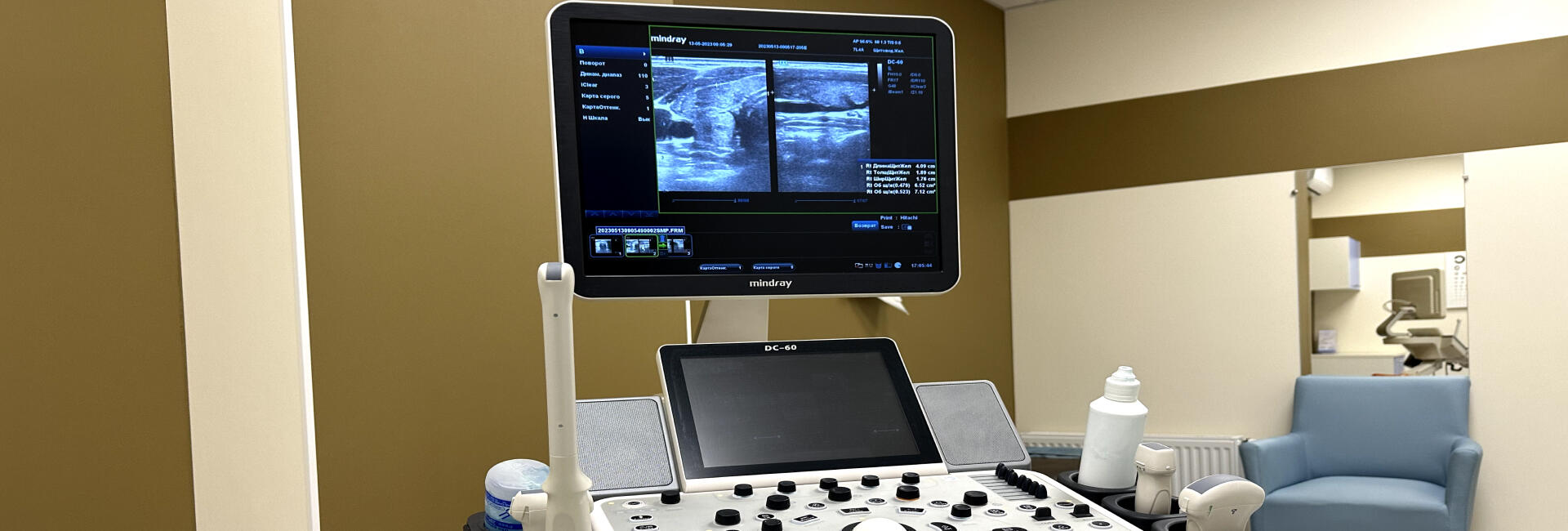


Ultrasound of the gallbladder is a highly effective diagnostic method, which allows you to assess the condition and size of this important organ, as well as to detect all kinds of pathologies. The ultrasound examination is performed with the help of modern equipment, therefore the procedure is considered absolutely safe and harmless for the patient. The data obtained during the ultrasound examination are used to make or confirm an accurate diagnosis.
Indications for Gallbladder Ultrasound
This organ is located in the abdominal cavity. Its main function is to collect bile from the liver. If the process is disturbed, then the patient experiences health problems. Doctors recommend ultrasound diagnostics as a preventive measure. It is also carried out in the presence of complaints in a person. The main indications are considered:
-
Pain or a feeling of heaviness in the right subcostal region, which may be accompanied by an increase in body temperature.
-
Suspicion of acute inflammation (cholecystitis).
-
Periodic abdominal distention, often accompanied by a bitter taste in the mouth.
-
Appearance of vomiting with bile impurities.
-
Yellowing of the skin, mucous membranes, or sclera of the eyes.
There may be other indications, such as confirmation of the presence of stones. The doctor conducts a preliminary examination, after which he decides on the necessity of ultrasound examination of the body.
Contraindications to Gallbladder Ultrasound
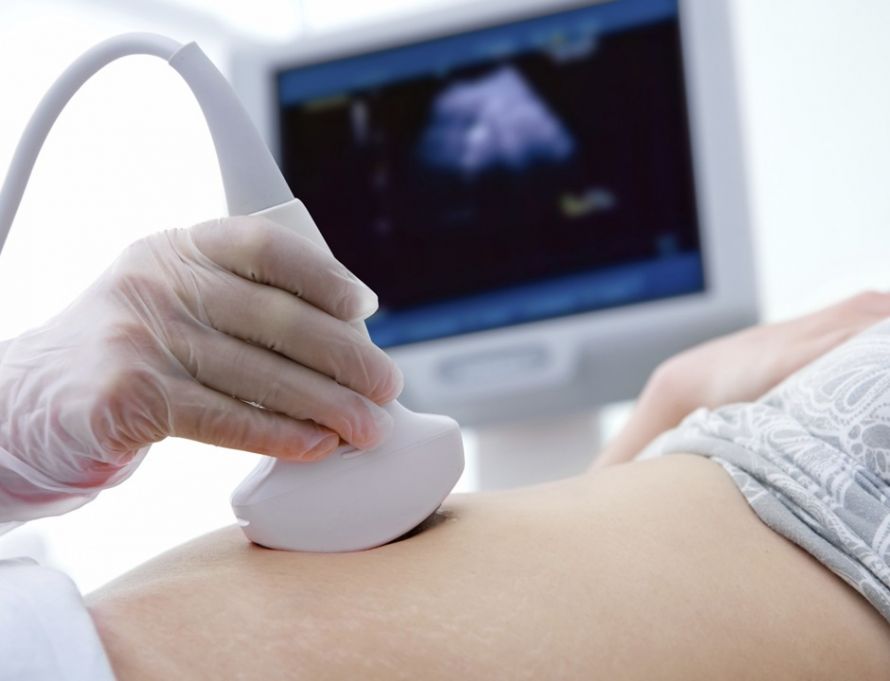
This procedure is considered to be completely safe for patients. It can be done at any age. There are no contraindications for pregnant women (ultrasound can also be performed during lactation). There is no radiation exposure during the examination, so it can be performed several times without any harm to health.
Preparation for the ultrasound examination of the gallbladder
The examination should be performed on an empty stomach. It is usually performed in the morning. Food intake should be stopped 6-7 hours before going to bed. Two days before the ultrasound, no spicy, fried, hot or salty food should be taken. It is also forbidden to eat eggs in any form. It is a fact that egg yolk has a choleretic effect and stimulates the contraction of this organ.
What the screening will show you
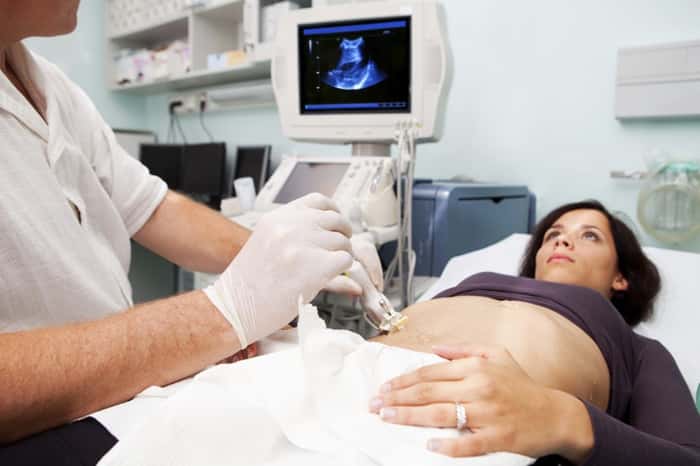
Ultrasound allows you to assess:
-
The location (displacement relative to adjacent organs and tissues) of the gallbladder.
-
The size of the organ (increase or decrease).
-
Thickness and condition of the bladder walls.
-
Level of blood supply (adequate or disturbed).
-
The condition of the tissues and vessels of the liver surrounding the gallbladder.
With the help of the examination it is also possible to study the geometry of the organ, the presence of its kinks / deformations. The doctor can detect concrements, benign polyps, cancerous neoplasms and other changes. Ultrasound also allows you to assess the condition of the patient's biliary tract.
Ultrasound is used to screen for and confirm the diagnosis of the following conditions:
-
Gallstone disease or metabolic disorders.
-
Cholecystitis (inflammation).
-
Congenital or acquired malformations.
-
"Porcelain" gallbladder.
-
Various biliary tract pathologies.
Ultrasound of the gallbladder in Kiev can be used to diagnose and other diseases.
Sources
- healthline.com/health/gallbladder-ultrasound.
- radiologyinfo.org/en/info/gallstones.
- ultrasoundpaedia.com/gallbladder-normal.
- en.wikipedia.org/wiki/Abdominal_ultrasonography.
F. A. Q.
The procedure is performed on an empty stomach. Do not eat for 6-8 hours before the procedure and avoid spicy, salty, acidic foods for two days before the ultrasound. Additional preparation is not necessary. The examination is performed transabdominally through the abdominal wall.
Various pathologies of this organ and surrounding tissues. The doctor will be able to assess the shape and geometry of the bladder, see the stones contained in it, notice the presence of neoplasms and provide you with qualified help.
Drinking water is not forbidden. But you should remember that a large amount of liquid (300 ml or more) can lead to distension of the stomach/duodenum, which worsens the visualization of the gallbladder. It is not a good idea to drink coffee or tea before the examination, as both beverages contain caffeine, which accelerates the motility of the digestive tract. It can also cause the organ to contract, preventing proper evaluation.

