




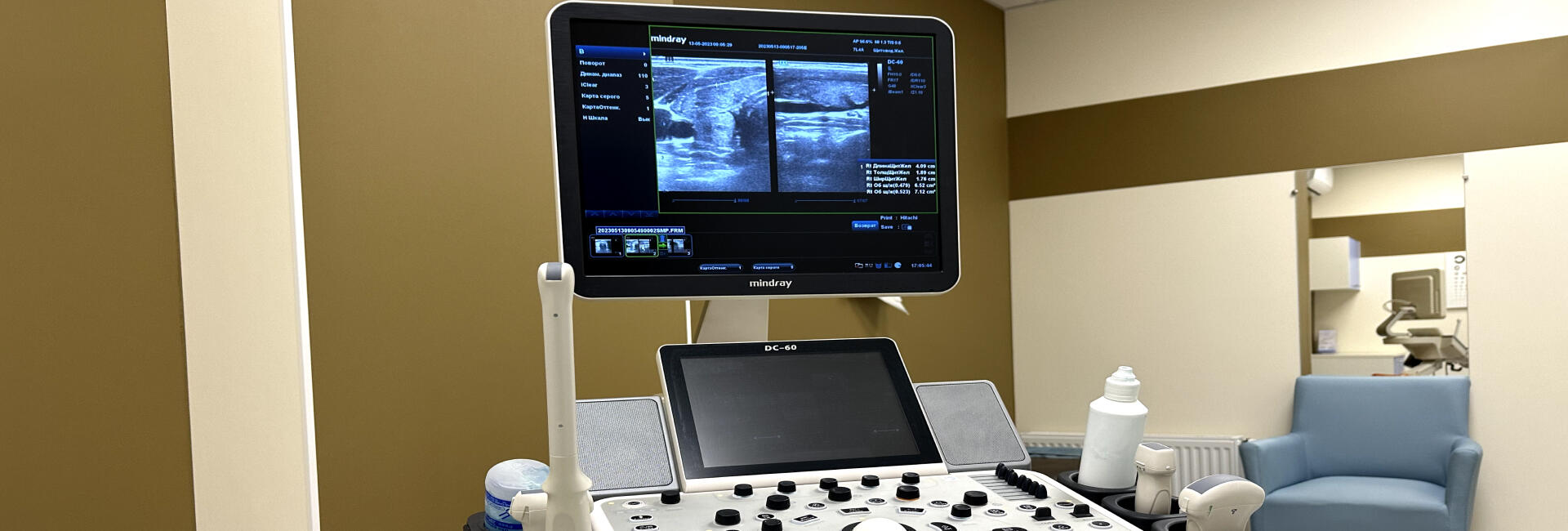


Ultrasound of the prostate is a safe method of monitoring this organ, which can be used to detect various pathologies. Using an ultrasound transducer, the doctor performs a detailed examination of the prostate, determining its size, shape, condition and other parameters. The procedure makes it possible to detect chronic or acute diseases and develop an effective treatment program.
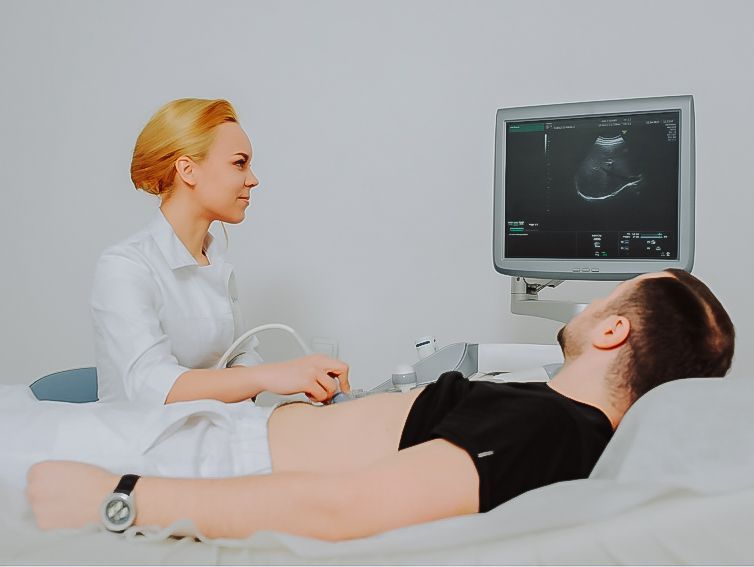
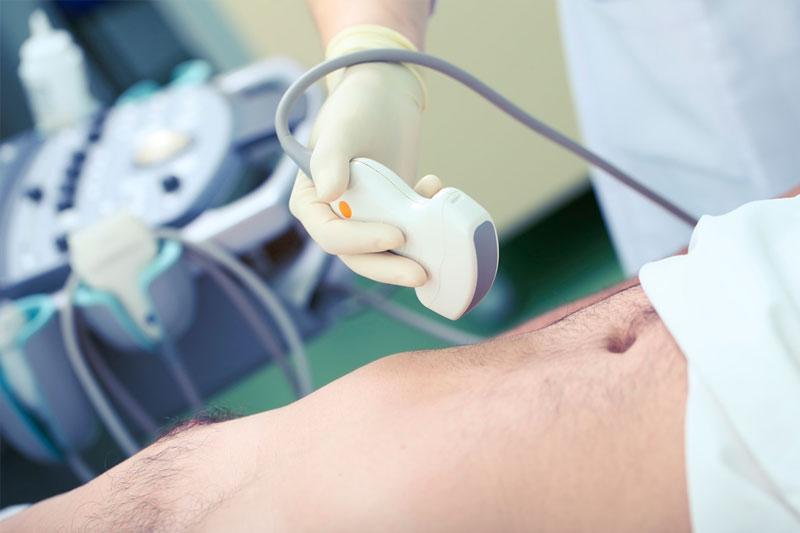
There are two methods of diagnosis: transrectal and transabdominal. In the first case, the sensor is inserted into the patient's rectum, and in the second, the examination is performed through the abdominal wall. The method of diagnosis is chosen by the doctor depending on the suspected diagnosis.
Indications for Prostate Ultrasound
The exam may be ordered in the following cases:
-
Frequent or difficult urination in men.
-
The presence of pus in the urine or blood clots in the ejaculate.
-
Pain or discomfort in the perineal area.
-
Infertility or decreased sexual performance.
-
Painful sensations during bowel movements.
The doctor may prescribe an ultrasound of the prostate and in other cases. For example, if there is burning in the urethra during urination, to monitor the progress of treatment, etc.
Contraindications to Prostate Ultrasound
There are no contraindications for the transabdominal method. The only indirect contraindication is the presence of open wounds in the examination area or some skin diseases. Transrectal examination is not recommended in the presence of hemorrhoids or neoplasms in the rectum. Otherwise, the procedure is completely safe for men's health.
Preparation for Prostate Ultrasound
In order to obtain a high-quality image, it is necessary to fill the bladder. Therefore, 40-60 minutes before the examination, you should drink 500-800 ml (3-4 glasses) of noncarbonated water and not go to the toilet. In case of transrectal examination, one day before the examination, it is necessary to go on a diet without slag and to take an enema to clean the intestine from feces. Avoid eating for 4-5 hours before ultrasound. The diagnostic procedure takes about 10 minutes, after which you can go home and continue your work. There are no painful sensations during the examination.
Prostate Ultrasound – What Can It Show?
Ultrasound screening can detect the following pathologies:
-
Acute and chronic inflammation.
-
Benign enlargement of the prostate.
-
The presence of stones in the ducts, as well as vesiculitis.
-
Malignant formations in the parenchyma of the prostate.
-
Adenoma or obstruction of the ducts.
Specialists recommend that men have an ultrasound examination of the prostate about once a year after the age of 40. This will allow you to detect various pathologies in the early stages of their development.
Sources
- radiologyinfo.org/en/info/us-prostate.
- webmd.com/prostate-cancer/guide/ultrasound-biopsy.
- ncbi.nlm.nih.gov/pmc/articles/PMC2842183.
- en.wikipedia.org/wiki/Transrectal_ultrasonography.
F. A. Q.
The examination is performed using two methods. The transabdominal method is performed through the abdominal wall, and the transrectal method is performed through the anus. The advantages of the transabdominal method are non-invasiveness of the procedure and greater comfort for the patient. The disadvantage is low information value. Advantages of transrectal method - high quality of examination of pathologies.
With transabdominal - 1 hour before the procedure to drink 500 ml of water, do not go to the toilet. With transrectal - the day before should follow a diet free of slag and cleanse the intestines with an enema. A few hours before the ultrasound you can not eat food.
During the examination, the prostate, seminal vesicles and bladder are visualized. In the parenchyma of the prostate can be found changes of chronic type: fibrous changes, calcinates, an increase in the size of the gland both in inflammatory processes and in the phenomena of hyperplasia. It is also possible to identify "dubious areas", which on further examination may turn out to be areas of malignant cells.
The procedure is usually performed very quickly, the total duration can be 5-10 minutes.

