




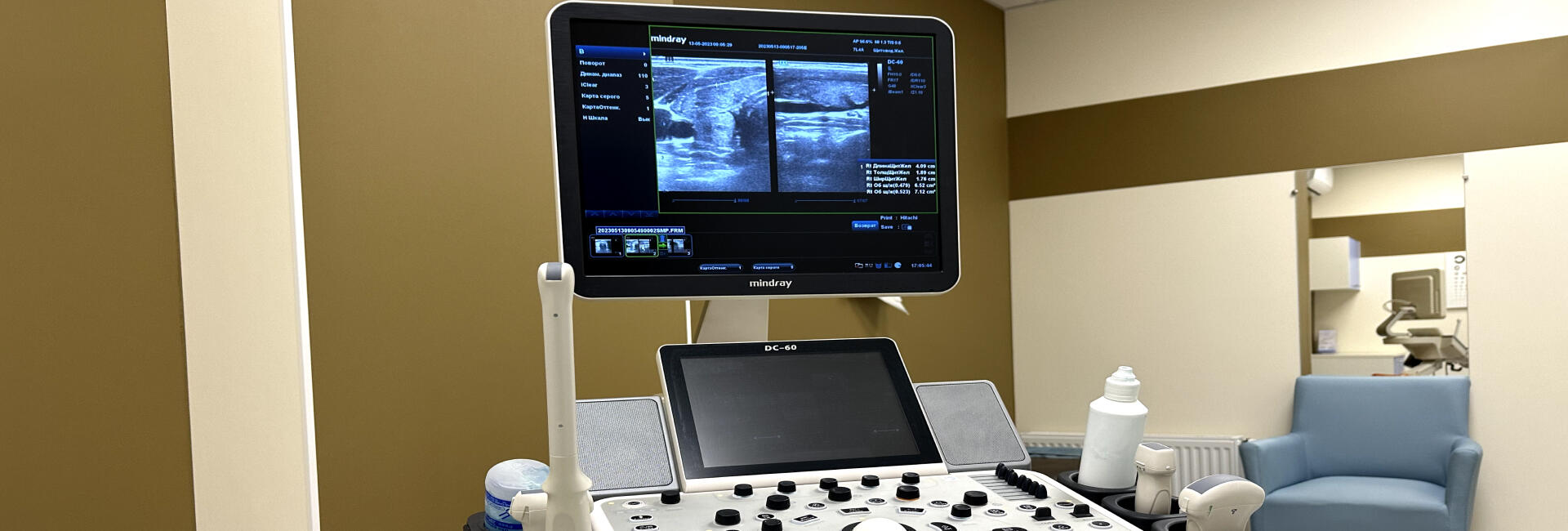


Ultrasound of the liver is a highly informative and safe examination method that allows you to thoroughly examine the size, shape and structure of this organ, as well as determine the presence of diffuse and focal changes in the patient. The liver plays a vital role in the body. It performs a variety of vital functions: detoxification, energy, and so on. It is involved in metabolism, hematopoiesis, etc.
Indications for Liver Ultrasound
Ultrasound screening is performed in the following cases:
-
Screening (once a year).
-
Acute or aching pain in the right subcostal area.
-
Enlargement of the organ or abdominal distension.
-
Jaundice of the eyes or skin.
-
Lightening of the color of the stools, darkening of the urine.
-
Change in skin color, often accompanied by excessive itching.
-
A bitter taste in the mouth, belching, nausea, or vomiting.
-
Unusual diarrhea or constipation.
Your doctor may ask you to have a liver ultrasound for other reasons. For example, an elevated liver test, low protein, gastrointestinal disease, etc.
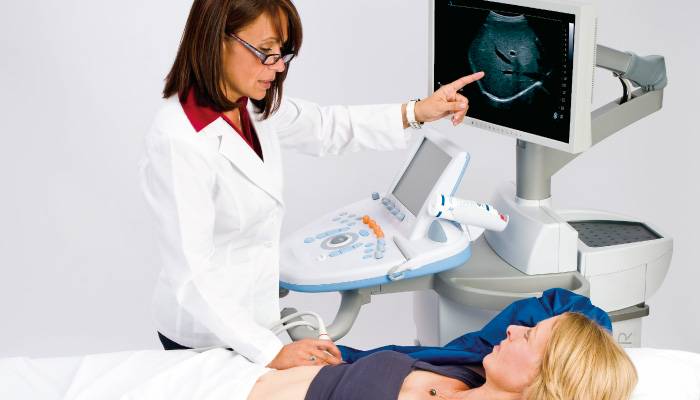
Preparation for Liver Ultrasound
The procedure is performed on an empty stomach. It is recommended not to eat for 8-12 hours before the examination. In urgent cases, the examination can be performed without prior preparation. Three days before the ultrasound, it is advisable not to consume gas-forming products (black bread, milk, cabbage, peas, beans, juices, carbonated drinks, sweets, raw vegetables, fruits) and fatty foods.
In some cases, the doctor may also prescribe medication to reduce gas. If the study is scheduled for the second half of the day, a light breakfast is allowed in the morning. The main thing is that the interval between it and the ultrasound is at least 7-8 hours.
What the research is showing
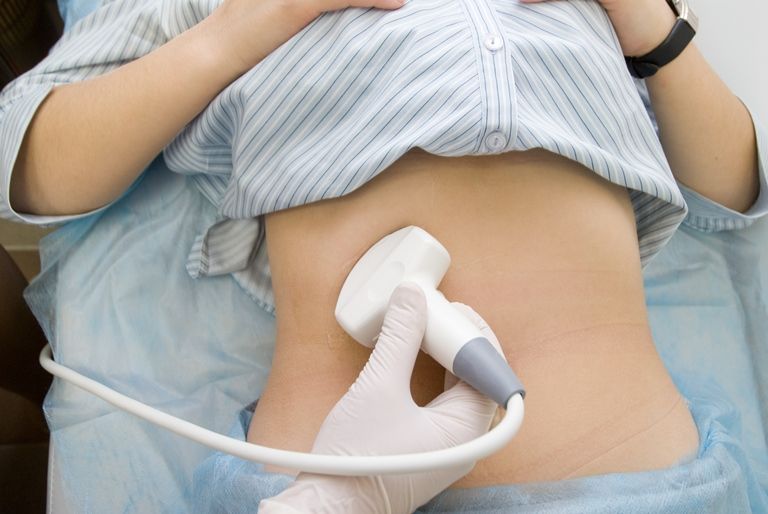
Ultrasound of the liver allows you to clearly assess the morphological characteristics of the organ located in the abdominal cavity. The parenchyma of a healthy person should look homogeneous, with clearly visible elements of vessels, bile ducts, without compressions and deformations of the substance. The edges of the liver should be smooth and clear. Any changes in echogenicity indicate damage to the organ or the presence of some pathologies. The higher the echogenicity, the larger the diffuse lesion and the denser the parenchyma.
Liver ultrasound allows detection of the following diseases:
-
Acute and chronic inflammatory processes (hepatitis).
-
Fatty infiltration of the liver.
-
Cirrhosis (alcoholic, viral, toxic).
-
Congestion due to heart disease.
-
Benign and malignant formations.
Also with the help of ultrasound of the liver in Kiev can be identified parasitic diseases or traumatic injuries of internal organs. At the same time, an examination of the gallbladder can be carried out, which allows for the identification of stones or congestion in it.
F. A. Q.
The examination allows to detect all hidden pathologies of this organ. With the help of ultrasound, the doctor can assess the condition of the organs, the presence of diseases, deformations, etc.
The procedure is performed on an empty stomach. It is necessary not to take food for 7-8 hours before the examination. Additional preparation is not necessary.
Yes, ultrasound allows to diagnose various forms of liver cirrhosis and prescribe appropriate treatment.
The examination allows the doctor to see a detailed picture of the inflammation of this organ, as well as individual vessels and tissues.

