




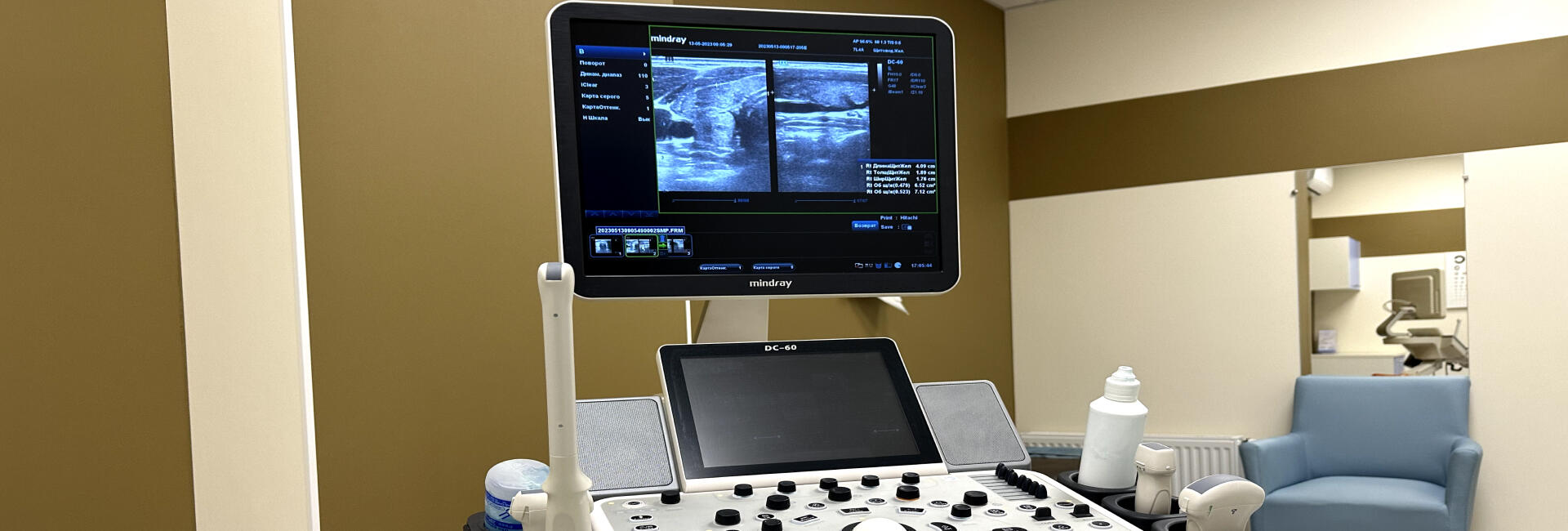


Ultrasound of the bladder allows the structure, shape, size, and function of the organ to be evaluated without the need for invasive surgery. It is a muscular sac that stores urine from the kidneys. The bladder can stretch, increasing its usable volume to hold fluid until you release it during urination. Muscle control makes the procedure planned and focused. However, there are several diseases and pathologies that can lead to urinary incontinence.
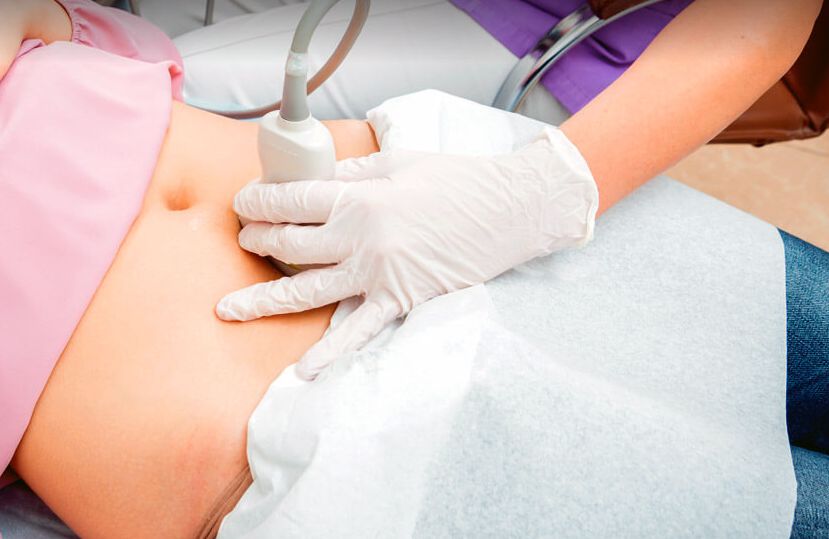
Indications for bladder ultrasound
About one-quarter of the world's population experiences urine retention issues, as reported by the WHO. As a result, many people are unable to control this process, causing urine to be expelled at inappropriate times. Urinary incontinence has various causes, and it can be challenging for doctors to diagnose it by merely asking questions. For this reason, a bladder ultrasound is performed after the initial examination. The indications include:
- The presence of urinary problems.
- Urinary retention may result in incomplete bladder emptying.
- Involuntary leakage of fluid may occur at different times.
- Strong urges to urinate with minimal urine output may be present.
- Blood in urine may be present.
Other symptoms include sharp or dull pain during urination or the development of a urinary tract infection.
Limitations to bladder ultrasound
Ultrasound is a safe procedure and has been proven not to cause any risks or side effects for the patient. Bladder ultrasound can be performed on individuals of all ages, including children and adults. Pregnant and lactating women can safely undergo bladder ultrasound as there are no contraindications for them. It's worth noting that the patient may experience slight discomfort during the procedure due to an overfilled bladder and pressure applied to it, but this is temporary and the whole process takes around 10 minutes without the need for surgical intervention or any pain.
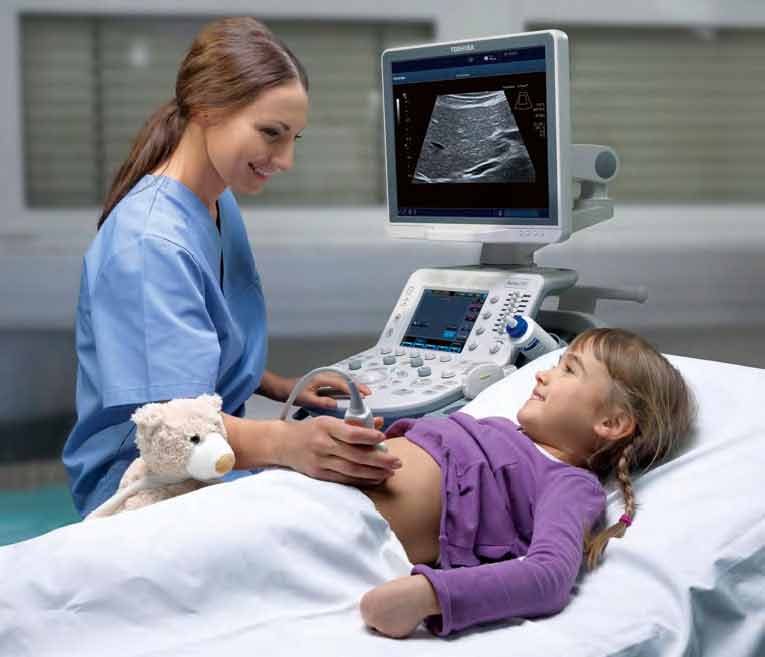
Preparation for Bladder Ultrasound
About an hour before the scheduled procedure, drink 800-1000 ml of plain water (equivalent to 4-5 glasses). Refrain from urinating so that your bladder gets filled with urine for the procedure. Avoid carbonated drinks to prevent abdominal bloating. If a child is undergoing the ultrasound and cannot drink the recommended amount of water at once, they can drink it gradually one and a half hours before the procedure. It is necessary to have a filled bladder for an ideal ultrasound.
What can be identified during the ultrasound examination?
Ultrasound diagnostics can identify several diseases, including: These diseases include:
- inflammation of the mucous membranes such as cystitis;
- urolithiasis.
- Congenital pathologies affecting the bladder wall may be present.
- Different malignant and benign tumors can develop in the urinary and reproductive system.
- Men may experience prostate gland enlargement
- Inflammation originating from adjacent tissues can also affect the urinary system.
Urinary ultrasound can also identify internal organs near the bladder and aid in screening and diagnosis.
Literature
- healthline.com/health/bladder-ultrasound.
- urologyhealth.org/urology-a-z/u/ultrasound-imaging.
- en.wikipedia.org/wiki/Urinary_tract_ultrasound/
- medicalnewstoday.com/articles/ultrasound-for-overactive-bladder-what-is-it-and-how-does-it-work.
F. A. Q.
The diagnosis is performed non-invasively through the abdominal wall. A high-quality scanner visually displays all pathologies on the screen without requiring additional tests.
No special procedures need to be carried out. There is no need to adhere to a strict diet or avoid consuming dairy products or vegetables. The only requirement for this method of examination is to drink clean water beforehand to fill the bladder.
Consume approximately 4-5 glasses (800-1000 ml) of liquid. It should be noted that men and women have different bodily compositions, hence this amount is dependent on individual factors. It is recommended that you aim to feel the urge to empty your bladder during the study.
If there is suspicion of a disease associated with this organ. The referring doctor will be the one to provide a referral after the initial examination.

